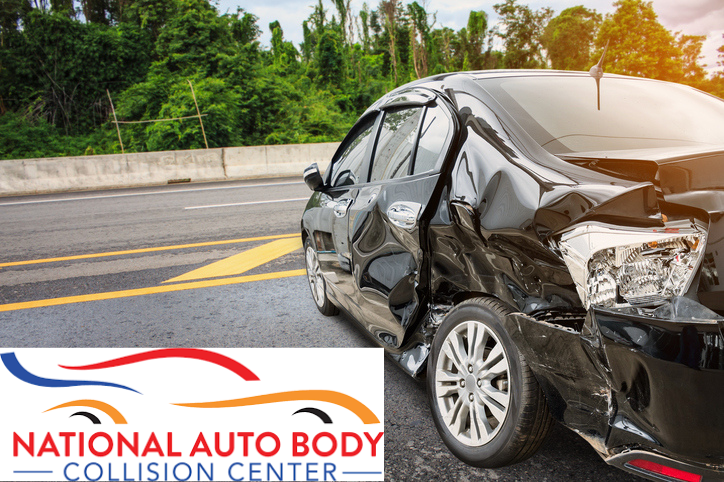
The National Auto Body Collision Repair industry is undergoing a significant transformation, driven by advances in automotive technology, increasing adoption of electric vehicles (EVs), and growing integration of Advanced Driver Assistance Systems (ADAS). As vehicle designs become more complex, repair shops are facing new challenges in training skilled technicians, investing in specialized equipment, and keeping up with OEM repair protocols.
Rising Challenges in Collision Repair for EVs and ADAS-Equipped Vehicles
With the surge in electric vehicles (EVs) and cars equipped with Advanced Driver Assistance Systems (ADAS), collision repair shops are under pressure to upgrade their infrastructure and retrain their workforce. EVs require specialized handling due to their high-voltage batteries, while ADAS-equipped vehicles demand precise sensor calibrations after every repair. Even minor collisions, such as bumper damage or windshield replacement, require accurate recalibration of cameras and sensors to ensure safety systems operate correctly.
OEM Collaboration and Certification Programs
To address these challenges, original equipment manufacturers (OEMs) are increasingly collaborating with certified collision repair shops to ensure adherence to manufacturer-specific repair protocols. Programs like the I-CAR Gold Class Certification and partnerships with automakers such as Tesla, BMW, and Ford are becoming essential for repair shops to stay competitive. These certifications guarantee that technicians are trained to use OEM-approved tools, technologies, and repair procedures, reducing the risk of incorrect repairs.
Adoption of Digital Tools and AI in Collision Repair
The industry is witnessing a rapid adoption of digital tools, AI-powered diagnostics, and cloud-based repair management systems. These technologies are helping repair shops improve repair accuracy, reduce turnaround times, and enhance customer satisfaction. AI-driven software can now assess damage, estimate costs, and recommend repair plans with remarkable accuracy, minimizing delays caused by manual assessments.
Labor Shortages and Training Initiatives
One of the biggest challenges facing the auto body repair industry is the shortage of skilled labor. With many veteran technicians retiring and fewer young professionals entering the field, repair shops are struggling to keep up with the demand for specialized repair services. Industry associations and OEMs are addressing this issue by offering apprenticeship programs, scholarships, and training workshops to attract and retain talent.
Sustainability and Eco-Friendly Repair Practices
Sustainability is becoming a key focus in auto body collision repair. Shops are increasingly adopting water-based paints, energy-efficient repair equipment, and recycling practices for damaged parts and materials. This shift not only reduces environmental impact but also helps businesses comply with stringent environmental regulations.
Insurance Industry’s Role in Collision Repair
Insurance companies play a crucial role in shaping repair standards and timelines. As repair costs rise due to advanced technology and specialized labor, insurers are under pressure to balance repair costs, customer satisfaction, and profit margins. Collaboration between insurers, repair shops, and OEMs is essential to ensure transparent communication and streamlined repair processes.The National Auto Body Collision Repair industry is at a pivotal juncture, with technology, training, and sustainability at the forefront of its evolution. Collaboration between repair shops, OEMs, insurance providers, and training institutions will be critical in addressing current challenges and preparing for future demands. As EVs, ADAS, and autonomous vehicles become mainstream, the industry must continue to innovate and adapt to ensure safe, efficient, and cost-effective repairs for the vehicles of tomorrow.