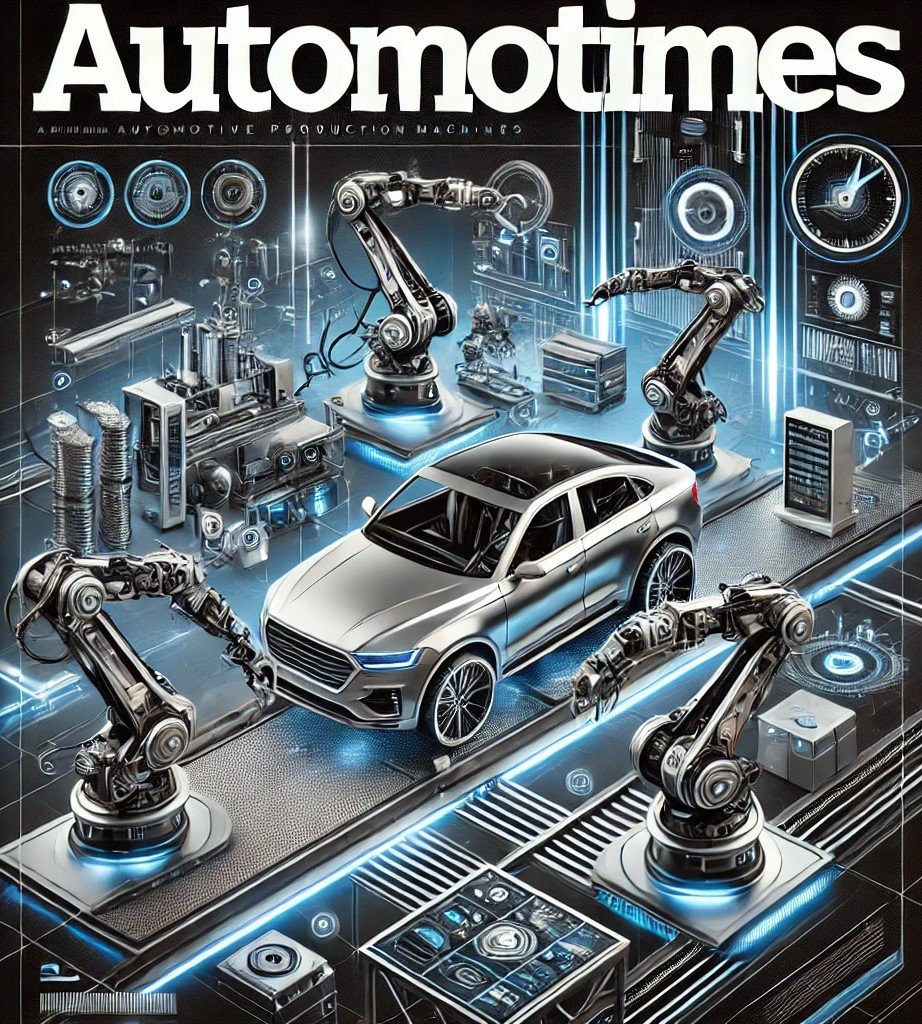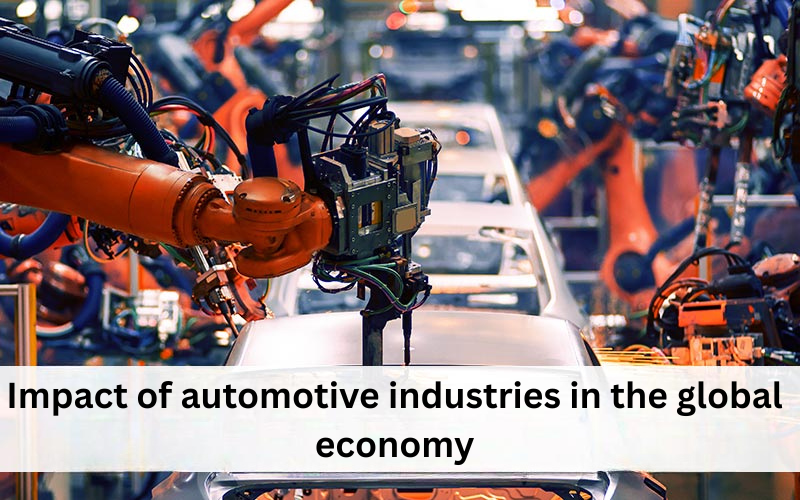
Introduction: The automotive industry is one of the largest and most influential sectors in the global economy. It encompasses the design, manufacturing, marketing, and selling of motor vehicles, which include cars, trucks, buses, and motorcycles. This industry is vital not only for providing transportation but also for shaping various economies around the world through innovation, employment, and international trade.
What Is the Automotive Industry? The automotive industry includes a vast range of businesses involved in vehicle production and sales. It comprises vehicle manufacturers (OEMs – Original Equipment Manufacturers), suppliers of parts and components, distributors, dealers, and service providers. The major categories within the automotive industry include:
- Vehicle Manufacturing – Companies that design and produce vehicles, such as cars, trucks, buses, and motorcycles. Major players include global giants like Toyota, Volkswagen, Ford, and General Motors.
- Parts and Components Suppliers – Companies that supply the necessary parts for vehicle production, such as engines, tires, batteries, electronics, and transmissions. These suppliers may operate at global or regional levels.
- Aftermarket Services – This includes vehicle maintenance, repair services, and vehicle financing.
- Electric and Autonomous Vehicles – New sectors emerging within the automotive industry as innovation continues to drive the industry toward sustainability and automation.
How the Automotive Industry Impacts the Global Economy:
- Economic Growth and Employment: The automotive industry is a key driver of economic growth globally. In many countries, the automotive sector is one of the largest contributors to GDP. For example, in countries like Germany, Japan, and the United States, the automotive industry is a cornerstone of economic strength. It is a major employer, providing millions of jobs across a wide spectrum of roles, from factory workers to engineers, designers, salespeople, and support staff.
According to estimates, the global automotive industry employs over 9 million people directly, with indirect employment in the supply chain pushing the figure much higher. The industry also helps stimulate other sectors, such as steel, electronics, and petroleum, further supporting broader economic activity. - International Trade: The automotive industry plays a crucial role in global trade. Automobiles and automotive parts are among the most traded goods worldwide. In 2022, the global automotive market was worth trillions of dollars, and the trade of vehicles and auto parts continues to be vital for the economies of many nations. Countries that manufacture automobiles often export a significant percentage of their production to foreign markets, while importing vehicles and parts that cannot be sourced locally.
For instance, countries like Germany and Japan are major exporters of cars, while nations like the United States and China are key players in both production and consumption. Trade agreements and policies significantly impact the automotive industry and are an essential factor for economies with a high reliance on auto manufacturing. - Technological Innovation and Sustainability: The automotive industry is at the forefront of technological innovation, particularly with the development of electric vehicles (EVs), autonomous vehicles, and advanced manufacturing techniques. These innovations not only transform the way people travel but also influence industries such as renewable energy, robotics, and artificial intelligence.
The push for cleaner, more sustainable transportation options has been growing globally due to environmental concerns. Electric vehicles, powered by renewable energy sources, are helping reduce carbon emissions and dependence on fossil fuels. The rise of EVs has driven the development of new industries and services, such as electric vehicle charging infrastructure, battery production, and the recycling of critical materials.
Additionally, advancements in autonomous vehicles could revolutionize industries such as logistics, transportation, and even urban planning. As autonomous driving technology becomes more advanced, it could lead to new business models and changes in transportation regulation, further reshaping the global economy. - Influence on Other Sectors: The automotive industry has a far-reaching impact beyond just the transportation sector. The supply chain for vehicle production involves many other industries, including steel, chemicals, plastics, electronics, and machinery. The demand for raw materials such as aluminum, copper, and lithium—vital for manufacturing cars and EV batteries—drives global markets for these resources.
Additionally, the automotive industry stimulates innovation in other sectors, such as IT, telecommunications, and infrastructure. The development of smart vehicles and connected systems is heavily dependent on high-tech industries, influencing global markets for software, telecommunications, and cybersecurity. - Economic Challenges and Global Supply Chains: The automotive industry is highly sensitive to economic fluctuations, political events, and changes in consumer demand. The global supply chain disruptions that occurred during the COVID-19 pandemic revealed the vulnerability of the automotive sector. Shortages of critical parts like semiconductors, supply chain bottlenecks, and rising material costs led to delays in production and sales across the globe.
Tariffs, trade wars, and international policies also play a significant role in the health of the automotive industry. Any trade barriers or restrictions can disrupt the flow of goods, affect production costs, and influence global economic stability.
Conclusion: The automotive industry is a cornerstone of the global economy, driving economic growth, innovation, and trade. Its impact spans far beyond just the vehicles themselves, affecting multiple sectors, creating millions of jobs, and influencing global policies on trade, sustainability, and technological advancement. As the industry continues to evolve, especially with the shift towards electric and autonomous vehicles, it will remain a major force shaping the future of the global economy. However, the automotive sector must address challenges related to sustainability, supply chain disruptions, and evolving consumer preferences to remain a key pillar of economic prosperity.
Hashtags
#AutomotiveIndustry #CarCulture #GreenTransportation #AutoEngineering #InnovativeCars #EcoFriendlyVehicles #AutoTrends #ElectricMobility #CarDesign #SmartCars #AutoUpdates #SustainableTransportation #FutureOfTransportation #AutoInfluencers #HybridTechnology #AutomotiveTechnology #CarCommunity #VehicleInnovation #EcoDriving #AutoEnthusiasts