Passenger vehicles and commercial vehicles are two primary categories within the automotive industry, each designed for different purposes and with distinct characteristics. Below are the key differences between these two types of vehicles:
1. Purpose and Usage
- Passenger Vehicles: These are primarily designed for transporting individuals and small groups of people. They include cars, SUVs, minivans, and other vehicles used for personal, family, or recreational transportation. The primary function of passenger vehicles is personal mobility, often in urban or suburban settings.
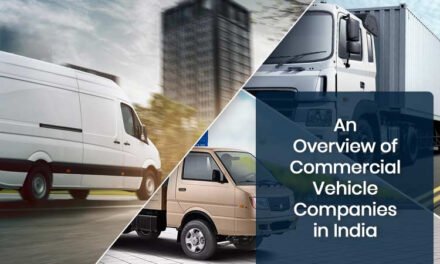
- Commercial Vehicles: These vehicles are designed for transporting goods, services, or large groups of people. They are used for business or industrial purposes, including the delivery of goods, public transportation, and hauling of materials. Common types of commercial vehicles include vans, trucks, buses, semi-trucks, and ambulances.
2. Vehicle Design and Size
- Passenger Vehicles: Typically, passenger vehicles are smaller in size and designed for comfort and personal convenience. They often feature seating for 2 to 7 people and are designed for everyday use. The interiors are focused on passenger comfort, with amenities like air conditioning, entertainment systems, and modern infotainment options.
- Commercial Vehicles: Commercial vehicles vary widely in size and are generally larger and built for durability and cargo capacity. They may have seats for more passengers (such as buses) or large cargo areas (such as trucks and delivery vans). The design prioritizes functionality, durability, and carrying capacity rather than passenger comfort.
3. Payload and Capacity
- Passenger Vehicles: These vehicles are built to carry a limited number of passengers and have smaller cargo capacities. For instance, a sedan might have a trunk for luggage, while an SUV could have more cargo space but still relatively small compared to commercial vehicles.
- Commercial Vehicles: Commercial vehicles are designed to carry much larger payloads, whether in the form of goods or passengers. A light-duty truck or van may carry several tons of goods, while heavy-duty trucks (such as semi-trucks or lorries) can carry much more. Buses and shuttle vehicles are designed to carry many more passengers compared to passenger cars.
4. Engine Power and Performance
- Passenger Vehicles: Passenger cars typically have engines that provide sufficient power for daily driving needs. These engines range from small to medium-sized and are optimized for fuel efficiency, comfort, and smooth handling. They are designed for lighter use, with an emphasis on performance for urban driving and long-distance travel.
- Commercial Vehicles: Commercial vehicles generally require more powerful engines to support higher loads and longer hours of operation. For instance, a cargo truck or bus will often have a much larger engine to enable it to carry heavy loads over long distances, often on highways. These engines are optimized for endurance and performance under strenuous conditions, such as frequent starts and stops, or carrying large cargo weights.
5. Regulations and Licensing
- Passenger Vehicles: Regulations for passenger vehicles are generally focused on safety, emissions, and consumer protection. Drivers of passenger vehicles typically require a standard driver’s license, and the regulations concerning their use are relatively less stringent compared to commercial vehicles.
- Commercial Vehicles: Commercial vehicles are subject to stricter regulations due to their potential for larger impacts on public safety and infrastructure. This includes weight limits, safety standards for cargo securing, driver qualifications (such as commercial driver’s licenses), and insurance requirements. Operators of commercial vehicles often need specialized training, and the vehicles themselves must comply with specific road-use laws and operational guidelines.
6. Maintenance and Durability
- Passenger Vehicles: Maintenance for passenger vehicles is generally less complex and less frequent, although it still involves routine services like oil changes, tire rotations, brake checks, and engine diagnostics. They are built for everyday use, and their lifespan typically ranges from 10 to 15 years, depending on care and usage.
- Commercial Vehicles: Maintenance for commercial vehicles tends to be more intensive and frequent, as these vehicles are often in use for longer hours and carry heavier loads. Commercial vehicles are built for durability and longer lifespans, with regular servicing and inspections to keep them operational. Trucks, buses, and delivery vans are designed for high-mileage operations, requiring robust engines, transmission systems, and other durable components.
7. Cost and Pricing
- Passenger Vehicles: Passenger vehicles are generally more affordable than commercial vehicles, depending on the brand, model, and features. They range from budget-friendly models to luxury vehicles, with varying price points. While initial purchase prices are typically lower than commercial vehicles, the ongoing cost of maintenance and fuel can vary.
- Commercial Vehicles: Commercial vehicles are often significantly more expensive due to their larger size, increased load capacity, specialized equipment, and more powerful engines. Heavy-duty commercial vehicles, such as 18-wheelers or buses, can be particularly costly. Additionally, commercial vehicles often have higher operating costs due to fuel consumption, maintenance, and regulatory compliance.
8. Insurance
- Passenger Vehicles: Insurance for passenger vehicles is generally less expensive than that for commercial vehicles, as it covers a smaller vehicle with fewer risks. Premiums depend on factors such as the driver’s record, the vehicle’s make and model, and usage.
- Commercial Vehicles: Insurance for commercial vehicles is more expensive due to the higher risks associated with transporting goods and passengers. The premium is influenced by factors like the vehicle’s weight, usage (long-haul, local delivery, passenger transport), cargo type, and the driver’s experience. The cost of liability insurance for a fleet of vehicles can be substantial for businesses.
9. Financing and Leasing
- Passenger Vehicles: Financing and leasing options for passenger vehicles are typically more straightforward and involve personal loans or leases with lower down payments and terms. Consumers can often get financing through dealerships, banks, or credit unions.
- Commercial Vehicles: Financing or leasing a commercial vehicle is often more complex and may involve business loans, specialized leases, or financing options for fleet management. Terms and conditions can vary based on the size of the business and the type of commercial vehicle, and larger vehicles may require more significant down payments.
Conclusion
In summary, passenger vehicles are primarily intended for personal use, designed for comfort, smaller sizes, and less intensive operational demands, while commercial vehicles are tailored for business or industrial use, focusing on carrying capacity, durability, and specialized functionality. The key differences lie in their design, performance, cost, usage, and regulatory requirements. While passenger vehicles are optimized for personal mobility, commercial vehicles are built to support business needs such as transporting goods or large groups of people efficiently and reliably.
Hashtags
#PassengerVsCommercial #VehicleClassification #CarVsTruck #PrivateVsBusinessVehicles #PassengerOrCommercial #VehiclePurpose #PassengerAndCommercial #PassengerVehicles #PrivateCars #CommercialVehicles #BusinessVehicles #WorkVehicles #FleetVehicles #CargoTrucks #TransportVehicles #HeavyDutyTrucks #FreightAndLogistics #UtilityVehicles #PersonalTransportation #FamilyCars #LuxuryPassengerCars #EconomyVehicles #CompactCars #SedansAndSUVs #PrivateVehicleFeatures #VehicleDesignDifferences #CommercialVehicleDurability #PassengerVehicleComfort #CargoCapacity #SafetyFeaturesInCommercial #PassengerCarLuxury