As the Union Budget draws near, the Indian automobile industry is anxiously awaiting a potential reduction in Goods and Services Tax (GST) rates, a move long advocated by stakeholders to revive demand and improve margins across the value chain. The sector, which contributes significantly to the country’s GDP and employment generation, has been under pressure due to rising input costs, regulatory compliance burdens, and shifting consumer preferences. Industry leaders hope the upcoming budget will provide some much-needed relief through a rationalized tax structure.
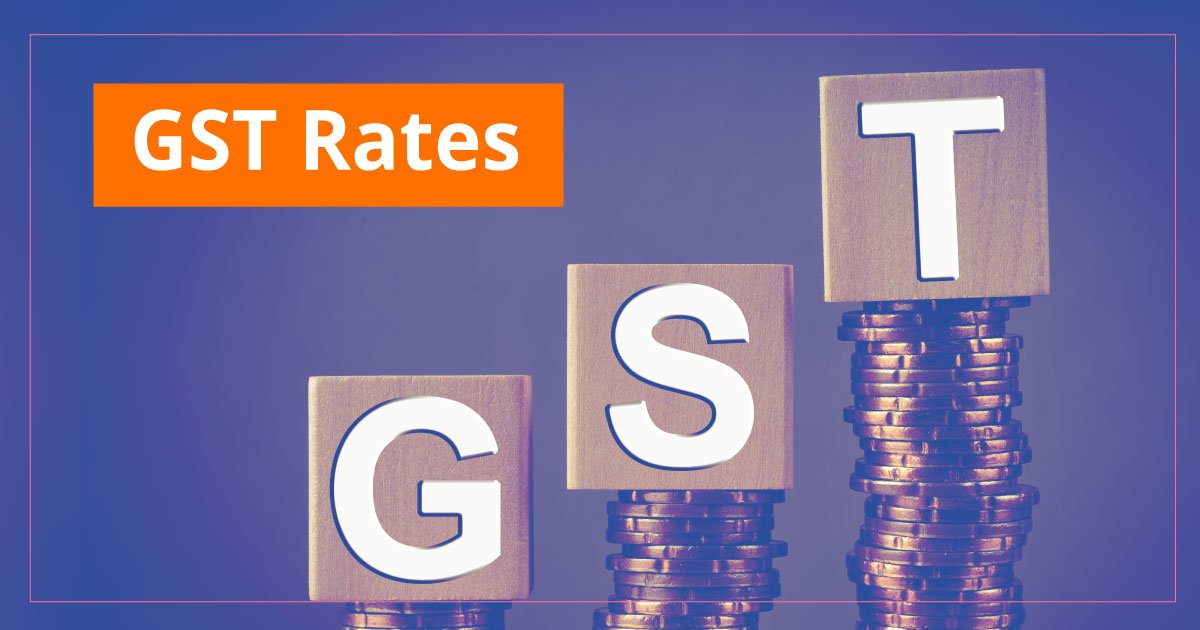
Currently, most vehicles attract a GST of 28%, with additional cess ranging from 1% to 22% depending on the vehicle type. This places automobiles among the highest-taxed consumer goods in India. For long, manufacturers and dealer associations have urged the government to bring down the effective tax rate, especially for two-wheelers and entry-level cars, which are often used by the middle- and lower-income segments. According to them, a rate cut could help stimulate rural and semi-urban demand, which has seen a slowdown in recent quarters.
Sources from the Society of Indian Automobile Manufacturers (SIAM) indicate that proposals for GST relief have been formally submitted to the Ministry of Finance. The association has argued that a tax cut would not only improve affordability for consumers but also boost production volumes, employment, and investments in the sector. With global manufacturers looking to India as a hub for exports and electric vehicle (EV) production, policy stability and fiscal support are seen as essential for sustaining long-term growth.
Adding to the urgency is the fact that the auto industry is simultaneously grappling with the transition to cleaner mobility, including electric vehicles, hybrid powertrains, and BS-VI emission norms. These technological shifts have required substantial investments in R&D and manufacturing upgrades. A GST rationalization could help offset some of these costs and enable original equipment manufacturers (OEMs) to maintain competitive pricing, especially in price-sensitive segments.
Dealers, too, are feeling the pinch, with inventory pressures and higher capital costs squeezing margins. Many regional dealership associations have echoed the call for tax reform, pointing out that GST relief would also enhance retail viability and consumer sentiment. As the countdown to the Union Budget begins, the auto sector remains hopeful that the government will acknowledge its challenges and respond with a policy shift that could inject fresh momentum into one of India’s most vital industries.