Urban transportation planning plays a crucial role in shaping how automobiles are used within cities, and it must address the complex relationships between car use, public transit, cycling, walking, and other forms of mobility. Integrating automobile usage into urban transportation planning is essential to create efficient, sustainable, and livable urban environments. Below are key ways in which urban transportation planning integrates with automobile usage:
1. Infrastructure Development
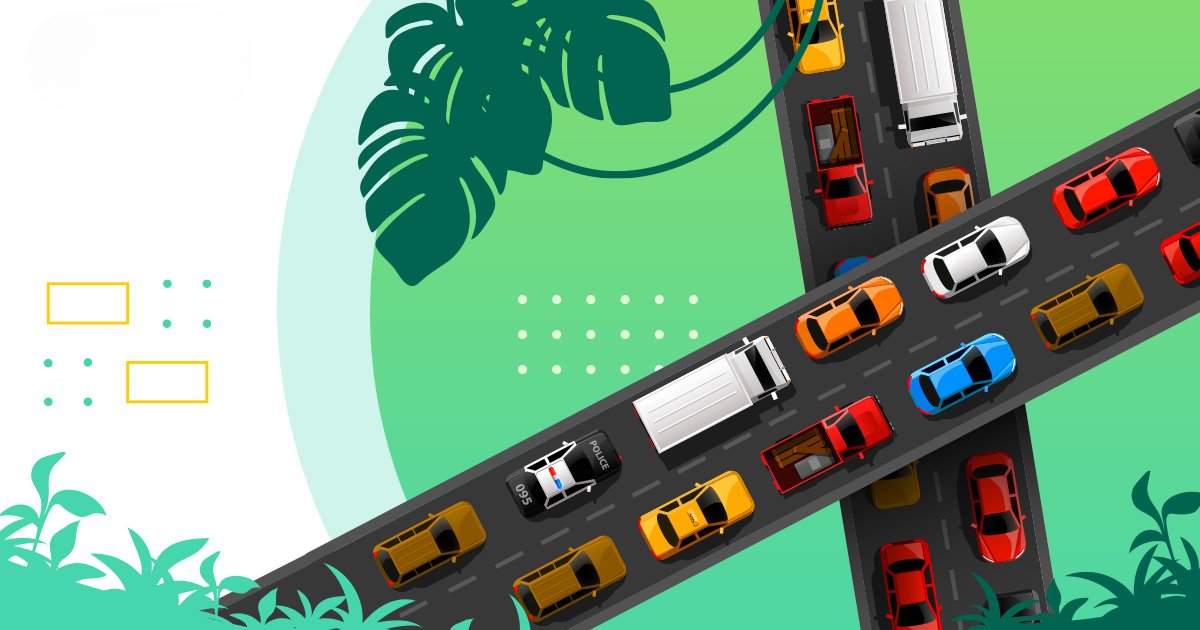
- Road Networks and Traffic Flow: Urban transportation planning focuses on designing road networks that accommodate automobile traffic while ensuring efficient traffic flow. This includes designing arterial roads, intersections, and highways, as well as optimizing traffic signals and signage to reduce congestion and improve safety. Proper road planning can help manage automobile usage in a way that minimizes bottlenecks and traffic jams.
- Parking Facilities: As automobiles remain a dominant mode of transport in many cities, urban planning must address parking needs. This includes creating parking spaces (on-street and off-street), implementing parking regulations (e.g., paid parking, limited parking), and designing multi-story parking garages. Some cities also focus on reducing car dependency by limiting parking availability in certain areas, encouraging alternative modes of transport.
2. Integration of Different Modes of Transport
- Multi-Modal Transport Systems: Modern urban transportation planning integrates cars with other forms of mobility, such as buses, subways, bicycles, walking, and shared transportation. The goal is to create a seamless system where different transportation modes complement each other. For example, planning for convenient transfer points between buses, trains, and parking areas allows commuters to easily switch from one mode of transportation to another, depending on their needs.
- Interconnected Transit Hubs: Well-planned transit hubs allow people to park their cars (Park-and-Ride) and then use public transportation for the rest of their journey. This reduces the number of cars in the city center while providing automobile users with a convenient way to access public transit.
3. Sustainable Mobility and Car Alternatives
- Encouraging Sustainable Alternatives: Urban transportation planning encourages alternatives to single-occupancy automobile use, such as cycling, walking, and public transit. By providing dedicated bicycle lanes, pedestrian-friendly streets, and easy access to public transit stations, cities can reduce car dependence and promote a more sustainable transportation system. Additionally, shared mobility services (e.g., car-sharing, ride-hailing) can be integrated into the planning process, allowing people to use cars without owning one.
- Low-Emission Zones and Congestion Pricing: Some cities have introduced policies such as low-emission zones (LEZs), congestion pricing, or carpool lanes to limit the use of automobiles in certain areas. These strategies encourage the use of cleaner vehicles (e.g., electric vehicles) and reduce overall car use in high-traffic areas, improving air quality and reducing congestion. Congestion pricing, for example, charges vehicles a fee to enter congested zones during peak hours, encouraging people to use public transportation or alternative travel times.
4. Urban Form and Land Use
- Transit-Oriented Development (TOD): TOD is a planning approach that encourages higher-density development around transit stations, making it easier for people to access public transit and reducing the need for automobiles. By prioritizing mixed-use developments (residential, commercial, and recreational) near public transit hubs, cities can reduce car dependency and promote walking, cycling, and public transportation.
- Zoning Regulations: Urban planners use zoning regulations to determine land use and influence automobile usage. For instance, cities may establish car-centric zones that allow for larger roads and more parking, while other zones prioritize pedestrian-friendly and public transit-oriented design. The design of neighborhoods, availability of amenities, and distance to public transportation stations directly affect how much people rely on cars.
5. Smart City Technologies and Traffic Management
- Intelligent Transportation Systems (ITS): ITS includes technologies that use sensors, data analytics, and communication networks to manage traffic flow, optimize signal timings, and reduce congestion. For example, traffic management systems can dynamically adjust traffic lights based on real-time traffic data, ensuring smoother traffic flow and reducing delays for automobile users.
- Connected and Autonomous Vehicles (CAVs): Urban transportation planning is increasingly considering the integration of connected and autonomous vehicles into the transportation network. CAVs have the potential to improve road safety, reduce traffic congestion, and optimize vehicle use. Smart infrastructure and data systems will be key to integrating these vehicles with traditional transportation systems, ensuring they complement existing modes of transport.
6. Environmental Considerations
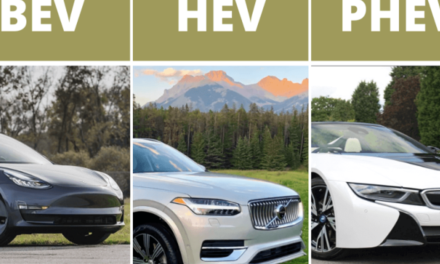
- Reducing Automobile Emissions: In order to combat air pollution and climate change, urban transportation planning seeks to reduce emissions from automobiles. This can be achieved by promoting electric vehicles (EVs) through incentives, expanding charging infrastructure, and encouraging the use of public transportation. Planning policies can also focus on reducing automobile traffic in areas with high pedestrian activity, thereby improving air quality and promoting healthier lifestyles.
- Green Infrastructure and Sustainable Design: Sustainable urban transportation planning also incorporates green infrastructure such as green roofs, rain gardens, and urban trees, which help mitigate the environmental impact of roads and parking spaces. The goal is to create more sustainable and livable urban spaces by integrating nature with transportation planning.
7. Travel Demand Management (TDM)
- Reducing Car Dependency: TDM strategies aim to reduce automobile dependency by managing demand for car use and promoting other forms of mobility. This can include offering incentives for carpooling, providing subsidies for public transport, or creating car-free zones in urban centers. TDM encourages more efficient use of available infrastructure and reduces the need for excessive road expansion.
- Peak Hour Management: Urban planning addresses peak traffic hours by managing travel demand and encouraging flexible working hours or remote work. Flexible work hours and staggered start times reduce the volume of cars on the road during rush hours, helping alleviate congestion.
8. Safety and Accessibility
- Traffic Safety: Urban transportation planning focuses on ensuring the safety of all road users, including drivers, pedestrians, cyclists, and public transit riders. Planning for traffic calming measures such as speed bumps, pedestrian crossings, and better signage helps reduce accidents and fatalities. Incorporating safe, dedicated lanes for bicycles and pedestrians ensures a more equitable and accessible transportation network.
- Accessibility for All: Cities must also plan for the accessibility needs of people with disabilities or those who rely on public transit and other modes of transport. This can involve designing roads with accessible pedestrian features, such as ramps, crosswalks, and elevators, as well as ensuring that transit stations are accessible to people with mobility challenges.
9. Public Engagement and Policy Making
- Community Involvement: Successful integration of automobile usage with urban transportation planning requires engaging the public and stakeholders in the decision-making process. City planners, local governments, and communities work together to develop transportation policies and plans that reflect the needs and preferences of the population. This ensures that transportation systems are not only efficient but also equitable and inclusive.
- Policy and Regulations: Urban transportation policies, including emission standards, zoning laws, and funding for public transit projects, directly influence how cars are integrated into the broader urban transportation network. Policymakers must balance the need for automobile access with the goal of reducing traffic congestion, promoting sustainability, and improving quality of life.
10. Future Trends and Challenges
- Electric and Autonomous Vehicles: The rise of electric vehicles (EVs) and autonomous vehicles (AVs) presents new challenges and opportunities for urban transportation planning. Cities will need to adapt their infrastructure to accommodate the charging needs of EVs and ensure that AVs can be integrated safely into existing traffic systems. Planning will also need to consider how these technologies can be used to optimize vehicle usage and reduce congestion.
- Urban Sprawl vs. Dense Development: As urban populations grow, cities must balance the need for expanding road infrastructure with the desire to reduce car dependency through more compact, transit-oriented development. Managing urban sprawl and promoting denser, mixed-use developments will be key to reducing automobile usage in the long term.
Conclusion
Integrating automobile usage into urban transportation planning is a complex task that requires a balanced approach, addressing the needs of car users while promoting sustainable mobility solutions. Effective urban planning focuses on creating a transportation network that is multimodal, efficient, safe, and environmentally friendly. By encouraging the use of public transit, reducing car dependency, improving road infrastructure, and adopting new technologies like EVs and autonomous vehicles, cities can create transportation systems that reduce congestion, improve air quality, and support sustainable growth.
Hashtags
#UrbanTransportPlanning #IntegratedMobilitySolutions #UrbanMobilityAndCars #AutomobileIntegrationInCities #CityTransportPlanning #SmartUrbanTransportation #TrafficFlowInCities #EfficientTrafficManagement #UrbanTrafficSolutions #ReducingUrbanCongestion #SmartTrafficControl #CityMobilityAndTraffic #SustainableCityTransport #GreenUrbanMobility #EcoFriendlyUrbanTransport #SustainableUrbanPlanning #LowCarbonCityTransport #ElectricCarsInCities #CityCars #UrbanCarOwnership #UrbanTransportSolutions #UrbanAutomobileUsage #PrivateCarsInCities #CityCarMobility #PublicTransportAndCars #IntegratedPublicAndPrivateTransport #PublicTransportAndPrivateCars #MultimodalUrbanTransport #UrbanMobilityIntegration #SharedUrbanTransport