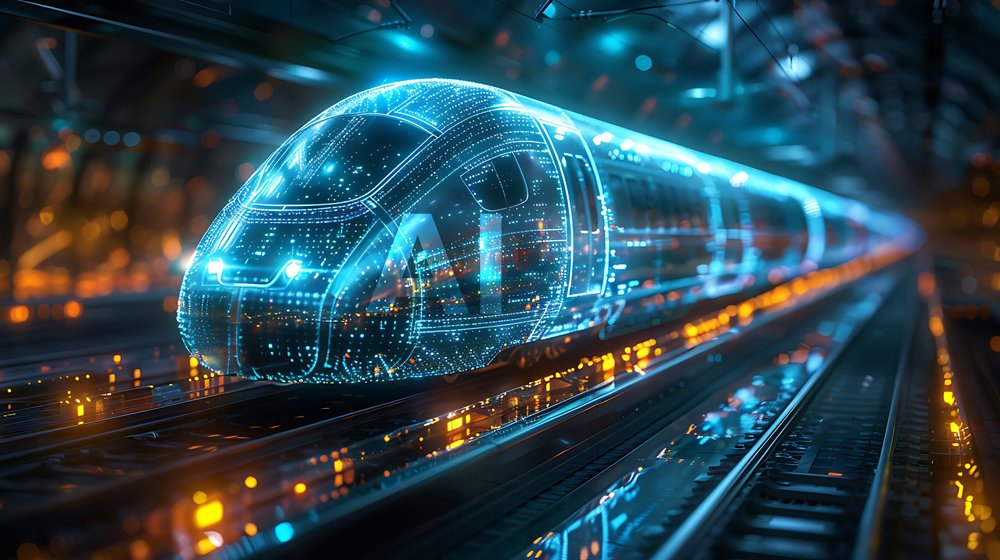
Automation and digitalization are transforming railway systems by enhancing operational efficiency, safety, and passenger experience. Here’s an overview of how these technologies are impacting the railway sector:
1. Enhanced Operational Efficiency
- Automated Train Control: Advanced train control systems, such as Positive Train Control (PTC) in the U.S. and European Train Control System (ETCS), are improving the safety and efficiency of train operations. These systems automate train speed control, signaling, and route management, reducing human error and optimizing train schedules. They can automatically slow down or stop a train if it is approaching an unsafe situation, such as a signal violation or track obstruction.
- Automated Train Dispatch and Scheduling: Digital platforms and AI algorithms are being used to optimize train schedules and dispatching. Automation allows for real-time adjustments based on current traffic conditions, weather, and track availability, which minimizes delays and maximizes network capacity. Automated systems also improve efficiency by reducing the time between train departures and arrivals.
- Smart Stations and Platforms: Digital technologies like sensors, cameras, and AI are being used to manage station operations more effectively. For example, automated platform management systems can detect passenger flow and adjust the allocation of resources accordingly, ensuring smooth crowd management, reducing congestion, and improving the overall passenger experience.
2. Predictive Maintenance and Asset Management
- Condition-Based Monitoring: IoT devices, sensors, and digital platforms are embedded in trains and infrastructure to monitor the condition of components in real time. These sensors detect anomalies such as temperature variations, vibrations, and wear on wheels or tracks, allowing for predictive maintenance. This ensures that problems are identified and addressed before they result in breakdowns, reducing downtime and repair costs.
- Digital Twins: A digital twin is a virtual model of a physical railway system, including tracks, stations, and trains. By creating a real-time digital replica, operators can monitor performance, simulate different scenarios, and predict when and where maintenance is needed. This technology is becoming critical for proactive asset management, enabling rail operators to extend the lifespan of assets and improve operational efficiency.
- Automated Maintenance and Inspection: Automation is also being applied to the inspection and maintenance of tracks and other infrastructure. Drones, robots, and automated inspection systems equipped with cameras and sensors are used to inspect tracks, tunnels, and overhead lines, providing real-time data for maintenance teams and reducing the need for manual inspections.
3. Safety and Security Improvements
- Collision Avoidance Systems: Automated systems are being used to prevent train collisions. Using sensors, cameras, and radar, these systems monitor surrounding areas and can intervene if a collision risk is detected. For instance, if two trains are on a collision course or if an obstruction is detected on the tracks, the system can automatically apply brakes or alert operators.
- AI-Powered Surveillance and Security: Digitalization has also improved station and platform security. AI-powered surveillance systems are used to monitor behavior and detect suspicious activities or safety risks, providing real-time alerts to security personnel. These systems improve passenger safety while reducing the risk of human error in monitoring.
4. Improved Passenger Experience
- Smart Ticketing and Seamless Travel: Digital ticketing systems, such as contactless payment, mobile ticketing apps, and digital wallets, are making travel more convenient for passengers. Smart ticketing systems allow passengers to buy tickets quickly, access platforms seamlessly, and even travel on multiple transport modes (trains, buses, etc.) with a single ticket.
- Real-Time Information and AI-Enhanced Services: Digitalization enables real-time tracking of trains, providing passengers with live updates on train arrival times, delays, and platform changes via apps, digital displays, and SMS alerts. AI chatbots and virtual assistants are increasingly being deployed to answer passenger queries, helping with ticketing, schedules, and navigation around stations.
- Personalized Services: By leveraging data analytics, rail operators can offer personalized services to passengers, such as tailored promotions, seat reservations, and even customized travel experiences based on past preferences. The use of big data allows rail companies to better understand passenger behavior and optimize their services accordingly.
5. Smart Railway Infrastructure
- IoT-Enabled Infrastructure: The use of IoT sensors in railway infrastructure, such as signaling systems, track switches, and tunnels, is allowing for better monitoring and optimization of the network. Sensors can detect issues like signal failures, track damage, or changes in environmental conditions, and notify operators in real time. This helps in preventing accidents and delays while optimizing energy consumption and resource allocation.
- Digital Signaling Systems: Traditional signaling systems are being replaced with digital signaling technology, such as European Train Control Systems (ETCS) and Communication-Based Train Control (CBTC). These systems enable trains to communicate directly with signaling centers, providing real-time information about train positions, speed, and track conditions. This not only improves safety by reducing human error but also allows for more efficient train management, with higher throughput on tracks and reduced delays.
- Infrastructure Digitization: Many rail operators are adopting digital platforms that integrate different elements of infrastructure. These platforms allow for centralized control, monitoring, and management of all aspects of the railway network, including scheduling, signaling, and maintenance. Such digitization also supports better long-term planning, resource management, and infrastructure upgrades.
6. Environmental Impact and Energy Efficiency
- Energy Optimization Systems: Digital and automated technologies are also helping to reduce the carbon footprint of rail operations. Energy management systems that monitor and optimize energy consumption are being implemented to ensure trains run as efficiently as possible, minimizing fuel and electricity usage. Regenerative braking systems are another example of energy-saving technologies, as they allow trains to recover energy during braking and return it to the grid or use it for other train functions.
- Sustainability through Automation: Automation also improves operational sustainability. By reducing energy consumption, improving fuel efficiency, and optimizing routes, digital and automated systems contribute to lower carbon emissions. Additionally, AI and machine learning algorithms help identify inefficiencies in the system that can be improved, leading to further reductions in energy use.
7. Interoperability and Integration with Other Transport Systems
- Integrated Multi-Modal Transport: Digitalization allows for better integration of railway systems with other modes of transport, such as buses, trams, and metros. Digital platforms can combine scheduling, ticketing, and real-time information across multiple transport providers, creating a seamless travel experience for passengers. This interoperability helps reduce travel times and makes it easier for passengers to switch between different modes of transportation.
- Blockchain for Secure Transactions: Blockchain technology is being explored in the railway sector to improve data security and transparency in transactions. For instance, it can be used for ticketing, cargo tracking, and supply chain management to ensure that transactions are secure, verifiable, and transparent.
Conclusion
Automation and digitalization are revolutionizing the railway industry, improving safety, efficiency, sustainability, and the passenger experience. From predictive maintenance and automated control systems to smart stations and seamless digital ticketing, these technologies are enabling rail operators to deliver better services while reducing operational costs and environmental impact. As the industry continues to embrace automation and digitalization, we can expect even more innovations that will shape the future of rail transport.
Hashtags
#RailwayAutomation #AutomatedRailSystems #SmartTrainAutomation #AutonomousTrains #TrainAutomationTechnology #SelfDrivingTrains #DigitalRailSystems #SmartRailDigitalization #DigitalRailwayInnovation #RailwayTechDigitalization #RailDigitalTransformation #ConnectedRailwayTech #DigitalRailSignaling #SmartSignalingSystems #AutomatedTrainControl #IntelligentTrainControl #AdvancedRailSignalTech #AIInRailways #BigDataInRailTech #SmartRailData #RailPredictiveAnalytics #AIForRailAutomation #DataDrivenRailwayTech #EfficientRailAutomation #OptimizedRailSystems