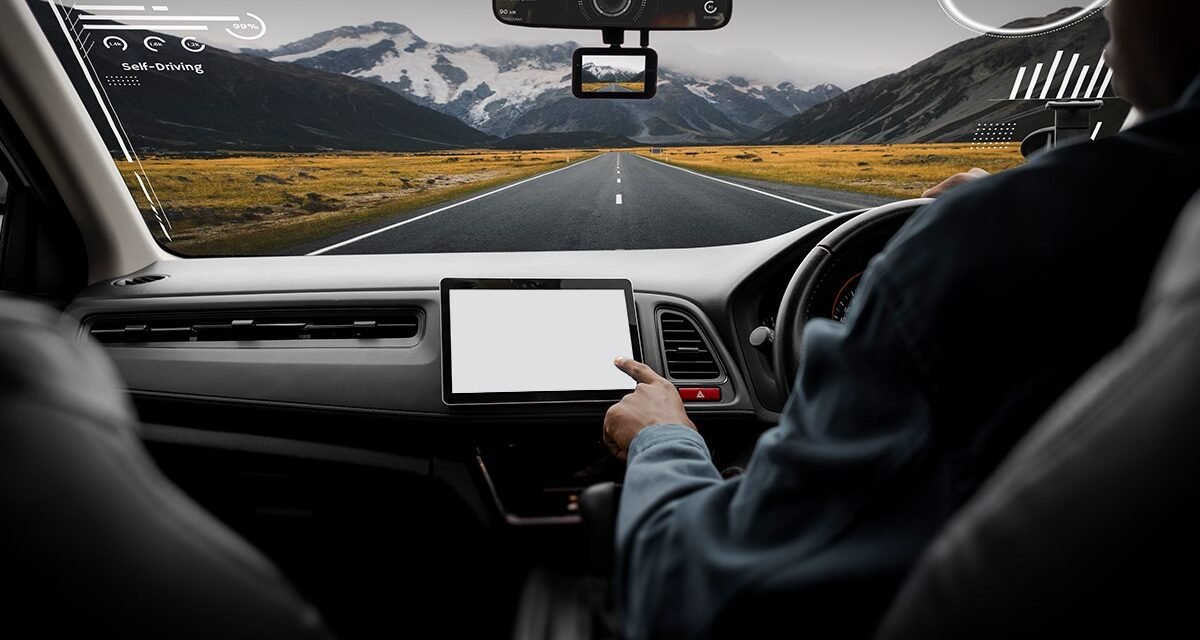
Smart accessories like dash cams and infotainment systems have become increasingly important in modern vehicles, providing a range of convenience, safety, and entertainment benefits. Here’s how they contribute to the driving experience:
1. Enhanced Driver Safety (Dash Cams):
- Role: Dash cams provide continuous video recording of the road ahead (and sometimes behind or inside the vehicle).
- Benefit: They capture evidence of accidents, road incidents, or reckless driving, which can be useful for insurance claims, legal protection, and improving overall driving behavior. Some dash cams also include advanced features like collision detection and driver alerts, adding an extra layer of safety.
2. Improved Navigation (Infotainment Systems):
- Role: Infotainment systems typically integrate GPS navigation along with real-time traffic updates, route optimization, and points of interest.
- Benefit: Drivers can easily access up-to-date maps, directions, and traffic information, reducing the risk of getting lost or encountering delays. Some systems also allow for voice-controlled navigation, enhancing ease of use.
3. Advanced Connectivity and Integration (Infotainment Systems):
- Role: Modern infotainment systems support smartphone integration (e.g., Apple CarPlay or Android Auto), enabling drivers to mirror apps from their phones onto the car’s display.
- Benefit: This allows drivers to make calls, send messages, access music and podcasts, or use apps without taking their hands off the wheel, improving convenience and reducing distractions.
4. Driving Behavior Monitoring (Dash Cams and Infotainment Systems):
- Role: Some smart accessories come with telematics or driver monitoring capabilities, tracking factors like speed, braking patterns, and driving habits.
- Benefit: These features can provide valuable feedback to drivers for improving their driving performance, leading to safer and more efficient driving. Additionally, certain systems can alert the driver to unsafe behaviors such as drowsy driving.
5. Entertainment and Comfort (Infotainment Systems):
- Role: Infotainment systems serve as the central hub for in-car entertainment, offering access to streaming services, radio, podcasts, and audio books.
- Benefit: They make long trips more enjoyable by keeping both the driver and passengers entertained with a variety of content, while also allowing the driver to control the climate, seating, and vehicle settings through touch screens or voice commands.
6. Collision Detection and Parking Assistance (Dash Cams):
- Role: Some dash cams are equipped with features like collision detection and parking assistance, which can alert the driver to nearby objects or pedestrians.
- Benefit: These features help avoid accidents during parking or in tight spaces by providing real-time visual feedback and warnings, enhancing overall safety.
7. Remote Monitoring and Control (Infotainment Systems):
- Role: Many modern infotainment systems can connect with mobile apps, allowing drivers to remotely monitor and control vehicle functions.
- Benefit: Features like remote start, vehicle tracking, and diagnostic checks help drivers manage their car’s condition and security, providing peace of mind and greater convenience.
8. Increased Security and Theft Prevention (Dash Cams):
- Role: Dash cams with parking mode can record video even when the vehicle is off, providing surveillance in case of theft, vandalism, or accidents while parked.
- Benefit: This helps in securing the vehicle and gathering evidence in case of suspicious activities or incidents.
9. Personalized Experience (Infotainment Systems):
- Role: Infotainment systems offer personalized settings that can store preferences for climate control, music, seat position, and driving modes.
- Benefit: These systems allow multiple drivers to have a tailored in-car experience, improving comfort and convenience for everyone using the vehicle.
10. Hands-Free Functionality (Both Dash Cams and Infotainment Systems):
- Role: Both systems often feature voice recognition technology that allows drivers to operate them without using their hands.
- Benefit: This reduces distractions and helps drivers stay focused on the road while accessing navigation, communication, and entertainment features.