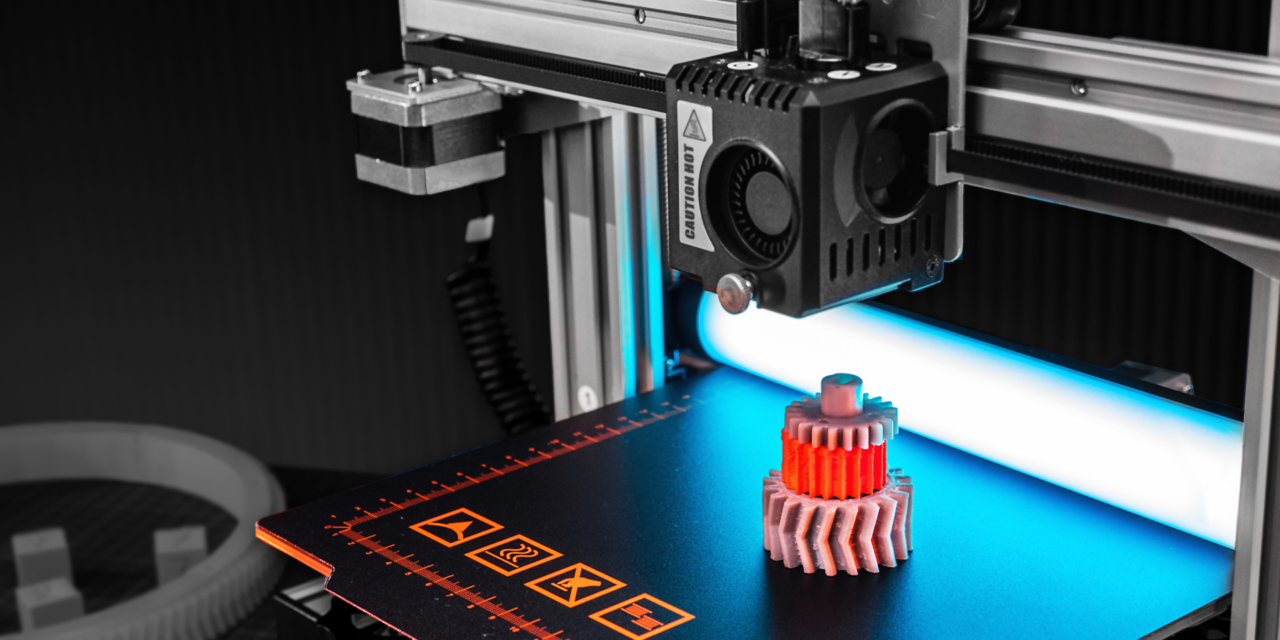
3D printing and additive manufacturing (AM) are transforming the production of auto components by enabling faster prototyping, design flexibility, cost reduction, and more sustainable manufacturing processes. These technologies allow manufacturers to produce parts with high precision, reduce material waste, and innovate with new designs that were previously not possible with traditional manufacturing techniques. Here are the key ways these technologies are transforming the automotive industry:
1. Faster Prototyping and Reduced Development Time
- Rapid Prototyping: 3D printing allows for quick production of prototypes, enabling engineers and designers to test parts faster and make adjustments before moving into full-scale production. This significantly shortens the product development cycle and accelerates innovation.
- Example: Automakers like Ford and BMW use 3D printing to rapidly create and test prototypes of parts such as engine components, interior elements, and structural parts.
2. Customization and Complex Geometries
- Complex Designs: Additive manufacturing allows for the creation of complex geometries that would be difficult, if not impossible, to produce using traditional manufacturing methods like casting or machining. Designers can optimize parts for performance, weight, and aerodynamics, leading to improved functionality.
- Example: Boeing has worked with General Electric to 3D print aircraft components, and automotive companies such as Porsche use 3D printing to create custom, lightweight, and performance-optimized parts.
- Customization: With 3D printing, parts can be easily customized to meet specific customer or vehicle needs, whether it’s for one-off high-performance models or customized interiors for luxury cars.
3. Reduced Material Waste and Sustainability
- Material Efficiency: Unlike traditional manufacturing methods that involve cutting or casting, additive manufacturing builds components layer by layer, using only the exact amount of material required. This leads to reduced material waste and cost savings, contributing to more sustainable production.
- Example: BMW and Audi are using 3D printing to produce lightweight, high-performance parts, minimizing waste and lowering production costs. The use of sustainable materials is also increasing in 3D printing, further enhancing its environmental benefits.
- On-demand Production: Parts can be produced on demand, which means that manufacturers don’t have to overproduce or store large inventories, reducing storage costs and waste.
4. Lightweight Parts and Performance Optimization
- Lightweight Components: 3D printing enables the creation of parts with intricate internal structures, such as honeycomb patterns, that provide strength while reducing weight. This is particularly valuable for automotive applications where reducing vehicle weight leads to better fuel efficiency and improved performance.
- Example: Audi has used 3D printing to create lightweight brake calipers and engine components, improving both vehicle weight and performance.
- Material Innovation: Additive manufacturing allows for the use of new, high-performance materials that are optimized for specific applications, such as heat-resistant or wear-resistant parts for high-performance vehicles.
5. Small-batch Production and Spare Parts
- Low-Volume Production: 3D printing is ideal for producing small batches of parts, making it cost-effective for manufacturers who don’t want to invest in large-scale production for low-demand components. This is especially useful for limited-edition vehicles or specialized parts.
- Example: Manufacturers can produce rare or discontinued parts for older vehicles that may no longer be in mass production, extending the lifespan of older models and reducing the need for sourcing expensive, hard-to-find parts.
- Spare Parts and Aftermarket Components: Additive manufacturing allows for on-demand production of spare parts, particularly for hard-to-find components. Automotive companies can offer a more efficient and cost-effective spare parts system, with the ability to print parts locally, reducing inventory costs and shipping times.
6. Tooling and Manufacturing Efficiency
- Tooling and Jigs: 3D printing is used to produce specialized tools, jigs, and fixtures for the manufacturing process itself. These tools can be designed for specific tasks and are often more lightweight and cost-effective than traditional tools.
- Example: Ford and Volkswagen use 3D printing to create custom tools for their assembly lines, improving efficiency and reducing production times.
- Assembly Line Optimization: Additive manufacturing can be used to create custom parts for automated assembly lines, improving the speed and accuracy of production while reducing the need for complex tooling.
7. Integration of Sensors and Smart Components
- Embedded Sensors: 3D printing can incorporate sensors, wiring, or other electronic components directly into the part during manufacturing. This opens up possibilities for creating smart components with embedded features, such as temperature or pressure sensors, directly into auto parts.
- Example: Companies like Mercedes-Benz and BMW are experimenting with 3D printing to integrate sensors and wiring into structural components, creating smart parts that can monitor their own performance and provide real-time data.
- Functionally Integrated Parts: Instead of using multiple separate components, additive manufacturing can allow for the design of parts that integrate several functions into one component, reducing complexity, weight, and potential failure points.
8. Cost-Effective Production for Small Series Vehicles
- Low-cost Prototyping and Small-Scale Production: 3D printing allows for low-cost production of small series of custom vehicles or limited-edition models. Manufacturers can test new designs without investing in expensive molds or tooling.
- Example: Strati, the world’s first 3D-printed car, was produced by Local Motors using additive manufacturing technology, demonstrating how 3D printing can be used for custom vehicles.
9. Collaboration with Suppliers and Innovations in Supply Chain
- Collaborative Design: Additive manufacturing fosters collaboration between OEMs (original equipment manufacturers) and suppliers by allowing direct sharing of designs and rapid iterations. This enhances innovation and leads to better component integration.
- Example: General Motors uses 3D printing to collaborate with suppliers in the early stages of component design, reducing development time and ensuring better fitment and performance.
- Streamlining the Supply Chain: 3D printing helps to reduce the reliance on traditional supply chains, particularly for remote locations or during supply chain disruptions. Local 3D printing hubs can produce parts on demand, reducing the time and cost associated with shipping and logistics.