Carpooling and ride-sharing services play a key role in improving transportation efficiency by reducing the number of vehicles on the road, optimizing travel routes, and minimizing congestion. Here’s how these services contribute to more efficient transportation systems:
1. Reduced Traffic Congestion
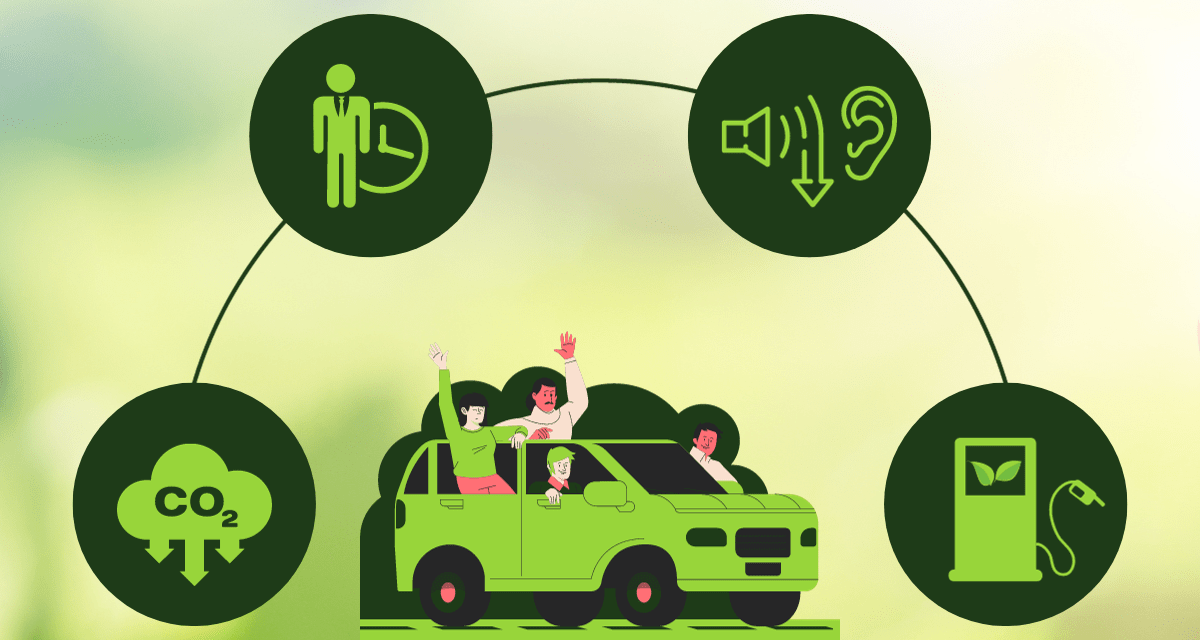
By allowing multiple passengers to share a single vehicle, carpooling and ride-sharing services decrease the number of cars on the road. This helps reduce traffic congestion, especially in urban areas, leading to shorter travel times, less fuel consumption, and lower emissions.
2. Lower Greenhouse Gas Emissions
With fewer vehicles on the road, carpooling and ride-sharing reduce greenhouse gas emissions and air pollution. By consolidating multiple trips into one, these services minimize the overall fuel consumption per passenger, resulting in a more eco-friendly transportation system.
3. Cost Savings for Consumers
Carpooling and ride-sharing services allow passengers to split the cost of the ride, reducing the financial burden of commuting. For drivers, sharing the ride means they can offset their fuel and maintenance costs. This makes transportation more affordable for both car owners and passengers.
4. Optimized Use of Resources
These services help optimize the use of existing transportation resources. Carpooling and ride-sharing leverage private vehicles to meet public transportation demands, thus increasing the efficiency of personal cars without the need for additional infrastructure investments, such as building new roads or expanding public transit systems.
5. Reduced Need for Parking
With fewer vehicles on the road, the demand for parking spaces in congested areas is also reduced. This not only frees up space in crowded urban environments but also alleviates the stress and time spent searching for parking spots, further contributing to transportation efficiency.
6. Decreased Fuel Consumption
Fewer vehicles on the road means less overall fuel consumption. Carpooling and ride-sharing services allow more passengers to travel in a single vehicle, which results in greater fuel efficiency compared to each person driving alone. This contributes to reduced energy usage and environmental impact.
7. Greater Flexibility in Travel
Ride-sharing services like Uber and Lyft offer on-demand transportation, allowing users to travel whenever needed without relying on fixed schedules. This flexibility can increase efficiency by matching passengers with rides in real-time, optimizing routes to avoid delays and unnecessary detours.
8. Better Use of Road Infrastructure
By reducing the total number of vehicles, carpooling and ride-sharing ease the strain on road infrastructure, improving the overall efficiency of road networks. This can lead to fewer bottlenecks and smoother traffic flow, benefiting all road users.
9. Encourages Sustainable Mobility Choices
The availability of carpooling and ride-sharing services promotes more sustainable mobility choices, such as shared rides and public transit connections. People may be more likely to use these services over individual car ownership, reducing overall vehicle demand and contributing to a shift toward more sustainable transportation options.
10. Lower Maintenance Costs
For drivers participating in ride-sharing or carpooling, sharing the ride with others means the wear and tear on their vehicle is spread across more passengers, potentially reducing their vehicle’s maintenance costs. Frequent rides are shared, resulting in longer vehicle lifespans.
11. Improved Accessibility
Carpooling and ride-sharing services can also help improve transportation access for people who do not own cars, particularly in areas with limited public transit options. These services provide a more accessible and flexible mode of transport, helping to fill gaps in the transportation network and make it more inclusive.
Carpooling and ride-sharing services promote transportation efficiency by reducing congestion, lowering emissions, cutting costs, and making better use of existing infrastructure. These services also provide greater flexibility, which benefits passengers and helps cities move towards more sustainable, efficient, and eco-friendly transportation systems.