Cars and motorcycles contribute differently to the global automotive market due to their distinct roles in transportation, consumer needs, and market dynamics. Below is a breakdown of how each contributes to the global automotive market:
1. Market Size and Production Volume
- Cars:
- Cars represent the largest segment of the global automotive market. The production of passenger vehicles, including sedans, SUVs, hatchbacks, and other types, dominates the industry in terms of volume, revenue, and global reach. Cars are the primary mode of transportation for a significant portion of the global population, and their manufacturing and sales are key drivers of the automotive industry.
- The market for cars is highly diverse and spans various categories, including luxury vehicles, mid-range models, compact cars, and budget-friendly options. This broad market segment is responsible for a substantial portion of global vehicle production, and its performance directly influences the overall automotive market.
- Motorcycles:
- While motorcycles account for a smaller overall share of the market in terms of total revenue, their production volume is significant, especially in emerging markets. In many developing countries and regions with dense urban areas, motorcycles are a popular choice due to their affordability, fuel efficiency, and ability to navigate through traffic.
- Motorcycles are more common in countries like India, China, Southeast Asia, and parts of Africa, where they are often seen as an essential mode of transport for both individuals and businesses. The production and sales of motorcycles contribute substantially to the automotive market in these regions, especially for entry-level models, dirt bikes, scooters, and electric motorcycles.
2. Economic Contribution
- Cars:
- Cars contribute significantly to the global economy through their manufacturing, sales, and associated industries, such as parts suppliers, research and development, marketing, and aftersales services. The car industry also supports millions of jobs worldwide in areas such as vehicle manufacturing, retail, repair, and maintenance.
- The value of cars is higher than motorcycles, which means that car sales tend to generate more revenue for automakers and related industries. The luxury car segment, in particular, drives a large portion of the profit, with high-end models offering significant profit margins.
- Motorcycles:
- While motorcycles contribute less in terms of overall revenue per unit sold compared to cars, they play an important role in the economies of several countries. In emerging markets, motorcycles are an affordable alternative for individuals and businesses looking for cost-effective transportation. Motorcycle manufacturing and sales also support millions of jobs, particularly in Asian countries like India, China, and Vietnam.
- Motorcycles are often used for commercial purposes (e.g., delivery services, freight, ride-hailing), thus contributing to economic activity in sectors beyond just individual transportation. For example, motorcycle taxis or delivery businesses are vital in many urban centers, furthering economic growth.
3. Global Distribution and Accessibility
- Cars:
- Cars are the most common mode of transportation in developed markets, particularly in Europe, North America, and parts of Asia. They are generally seen as a symbol of personal mobility, ownership, and independence, and they dominate in suburban and rural areas, where public transportation options may be limited.
- The global distribution of cars is characterized by a wide range of models designed for different regions, including vehicles tailored for specific market preferences (e.g., fuel-efficient cars in Europe, off-road vehicles in the U.S., and compact cars in densely populated cities in Asia).
- Motorcycles:
- Motorcycles have a much higher market share in developing and densely populated urban areas. In countries like India, China, and Southeast Asian nations, motorcycles are often more affordable and practical for navigating congested city streets. In rural areas of developing countries, motorcycles are also used for personal transportation and as a commercial vehicle for goods delivery or passenger transport.
- The global distribution of motorcycles reflects the varying economic conditions of different regions, with significant production and sales in Asia-Pacific countries, where motorcycles are used for both personal and commercial purposes.
4. Environmental Impact and Sustainability
- Cars:
- Cars, particularly those powered by internal combustion engines (ICE), are significant contributors to global carbon emissions, pollution, and traffic congestion, especially in urban areas. As a result, automakers are increasingly shifting towards electric vehicles (EVs) and hybrid models to reduce the environmental impact of cars. Governments around the world are setting stricter emission standards and offering incentives for EV adoption.
- The global car industry is also investing heavily in research and development of cleaner technologies, such as hydrogen fuel cells and renewable energy-based vehicles. These trends in the car market are helping to push the industry toward more sustainable practices.
- Motorcycles:
- Motorcycles typically have smaller engines and are more fuel-efficient than cars, leading to lower per-unit fuel consumption and potentially fewer emissions, though this can vary widely based on the model and fuel type. However, in densely populated urban areas, high concentrations of motorcycles contribute to air pollution and traffic congestion.
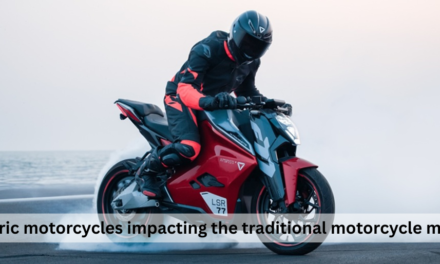
- The motorcycle industry is also beginning to shift towards electric motorcycles and scooters, which have the potential to further reduce emissions, especially in regions with high levels of motorcycle usage.
5. Consumer Preferences and Affordability
- Cars:
- The consumer base for cars tends to have a higher income threshold, particularly for luxury models and full-size vehicles. In developed economies, owning a car is often considered a necessity for daily life, while in emerging economies, cars are increasingly becoming more accessible as income levels rise.
- Cars are purchased for a variety of reasons, including comfort, safety, and versatility. Many consumers value the space, storage, and additional features offered by cars, such as advanced safety features, entertainment systems, and climate control.
- Motorcycles:
- Motorcycles are seen as a more affordable and efficient alternative to cars, especially in regions where income levels are lower or where public transportation is less accessible. Motorcycles are often purchased by individuals or families who need a cost-effective way to travel short distances.
- Consumers in the motorcycle market prioritize factors like fuel efficiency, ease of maneuverability, and low maintenance costs. Motorcycles are particularly popular among young people, commuters, and small businesses looking for an affordable vehicle solution.
6. Innovation and Technological Advancements
- Cars:
- The car industry is at the forefront of technological advancements in areas such as autonomous driving, connectivity, and electric mobility. The development of autonomous vehicles (self-driving cars) and smart car technologies is driving innovation in the sector.
- Additionally, the push for electric vehicles (EVs) is reshaping the car industry, with manufacturers investing in battery technology, charging infrastructure, and sustainable production methods.
- Motorcycles:
- While the pace of technological advancement in motorcycles is generally slower compared to cars, there has been significant progress in areas like fuel efficiency, electric motorcycles, and smart features (e.g., integrated navigation systems, Bluetooth connectivity). Electric motorcycles, in particular, are gaining attention as consumers seek environmentally friendly alternatives to traditional gas-powered models.
- Innovations in motorcycle design focus on improving safety (e.g., anti-lock braking systems, traction control), increasing fuel efficiency, and enhancing rider comfort.
Conclusion
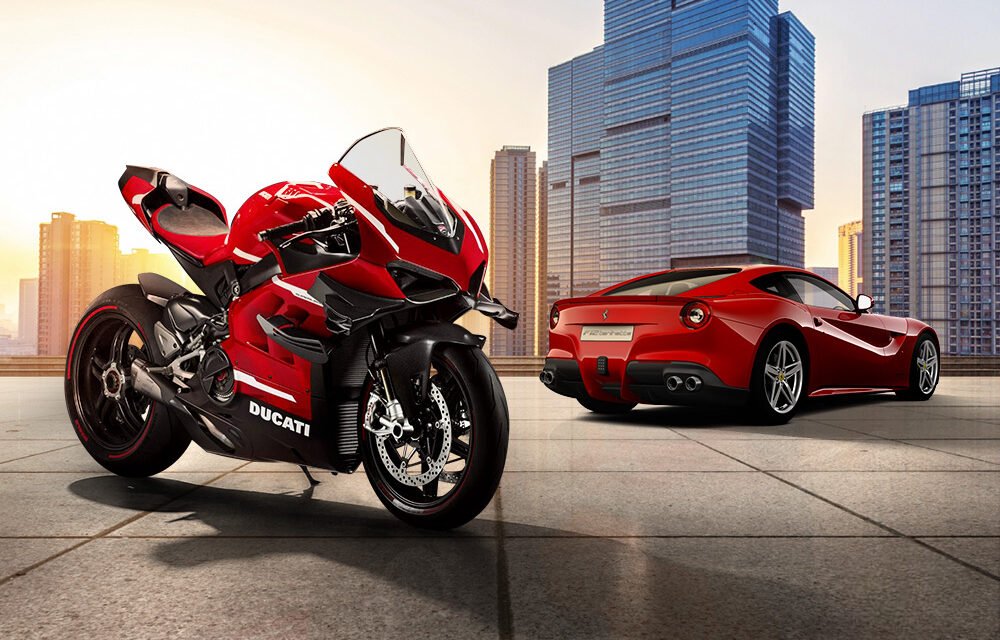
Cars and motorcycles contribute to the global automotive market in different but complementary ways. While cars dominate the global market in terms of production volume, revenue, and infrastructure, motorcycles play an important role, particularly in developing countries and urban centers, where they serve as an affordable and efficient mode of transport. Both segments are evolving with advancements in technology, sustainability efforts, and changing consumer preferences, each adapting to global trends such as the shift towards electrification and the demand for greater mobility and environmental responsibility.
Hashtags
#CarVsMotorcycleMarket #GlobalAutomotiveMarket #CarMarketShare #MotorcycleMarketShare #SalesInAutomotiveMarket #MotorcycleSalesGrowth #CarSalesVsMotorcycleSales #MotorcyclesInAsia #CarMarketGrowth #GlobalMotorcycleTrends #CarPopularityInTheWest #MotorcyclesInDevelopingCountries #RegionalCarMarketDifferences #AutomotiveMarketTrends #EconomicImpactOfCars #EconomicImpactOfMotorcycles #MotorcycleIndustryEconomy #CarIndustryContribution #AutomotiveSectorGrowth #VehicleIndustryEconomy #AutomotiveJobs #CarManufacturingJobs #MotorcycleIndustryJobs #GlobalVehicleManufacturing #AutomotiveIndustryWorkforce