The technology used in railway equipment has significant influences on other modes of transport, as many of the innovations in rail systems are often adapted and integrated into other transportation sectors. The cross-pollination of technologies between rail, road, air, and maritime transportation helps improve efficiency, safety, and sustainability across all modes. Here are several ways in which railway technology influences other modes of transport:
1. Advancements in Electrification
- Railway Impact: Electric locomotives and trains are commonly used in railway systems around the world, often powered by overhead catenary wires or electrified rails. This has led to the development of more energy-efficient, faster, and sustainable rail systems.
- Influence on Road Transport: The advancements in electric rail transport have contributed to the growth of electric vehicles (EVs). Technologies developed for electric trains, such as battery management systems and electric drivetrains, have been applied in electric buses and trucks.
- Influence on Aviation: Airlines have shown interest in electric aircraft propulsion as the aviation industry seeks to reduce its carbon footprint. Technologies such as high-efficiency motors and battery storage systems in electric rail systems are being adapted for electric or hybrid aircraft.
2. Automation and Control Systems
- Railway Impact: Advanced signaling systems, train control, and automatic train operation (ATO) systems have transformed rail operations, allowing for higher speeds, improved safety, and better capacity management.
- Influence on Road Transport: Autonomous vehicle technology, especially in self-driving cars and autonomous trucks, benefits from developments in train control systems. Both systems rely on similar algorithms for real-time communication, route optimization, and collision avoidance.
- Influence on Aviation: Flight control systems in aviation borrow heavily from railway signaling and automation. Both rely on centralized control centers, which track vehicle locations, manage schedules, and prevent accidents through automation.
- Influence on Maritime: Autonomous shipping and drone technology in maritime transport draw parallels with the automation and control systems used in railways, utilizing technologies like GPS tracking, radar systems, and autonomous navigation.
3. High-Speed Transport Technologies
- Railway Impact: The development of high-speed rail (HSR) has set new benchmarks for speed, efficiency, and sustainability. High-speed trains like the Shinkansen in Japan and TGV in France have introduced faster, more comfortable travel, reducing travel times significantly.
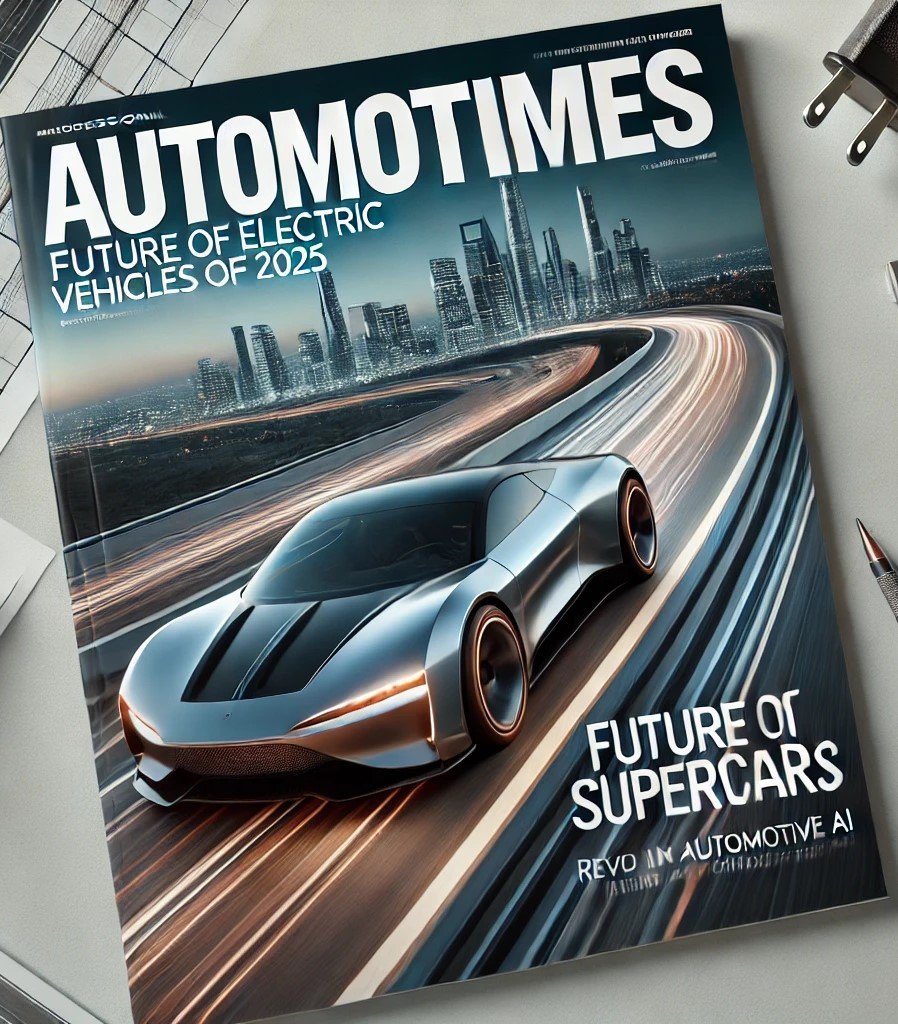
- Influence on Road Transport: Innovations from high-speed trains, such as aerodynamic vehicle designs and lightweight materials, have inspired the development of high-performance electric cars and hyperloop technologies (a concept for near-supersonic transport in vacuum tubes).
- Influence on Aviation: The development of supersonic jet technologies, such as the Concorde and modern concepts like urban air mobility (UAM), often draws from railway innovations, particularly in areas like passenger flow management, safety protocols, and materials for high-speed travel.
4. Energy Efficiency and Sustainability
- Railway Impact: Rail transport is one of the most energy-efficient modes of transport, particularly when electric trains are used. Railway systems also lead the way in reducing their carbon footprints through regenerative braking, energy recovery, and sustainable infrastructure (e.g., using renewable energy sources).
- Influence on Road Transport: Energy-efficient technologies such as regenerative braking, lightweight vehicle materials, and electrification from the rail sector are increasingly adopted in electric cars, buses, and trucks. For example, regenerative braking, which captures energy when slowing down, is now commonly used in EVs.
- Influence on Aviation: Airlines are adopting energy-saving technologies, like fuel-efficient engines and aerodynamic designs, based on principles used in high-efficiency railway systems. In addition, the use of sustainable fuels in railways has influenced research into biofuels and synthetic fuels for aviation.
5. Logistics and Freight Transportation Systems
- Railway Impact: Railways are a cornerstone of global freight transport. Innovations in intermodal transport, which combines rail with trucks and ships, have made it easier to move large quantities of goods over long distances. Automated freight yards and digital logistics platforms enable efficient handling and tracking of shipments.
- Influence on Road Transport: Rail freight logistics have influenced the road freight sector by promoting intermodal transport systems. For example, the use of containerized shipping, where cargo is loaded into standard-sized containers for rail, truck, or ship transport, was pioneered by rail and has since been adopted widely in the road transport industry.
- Influence on Aviation and Maritime: Air freight and shipping have also incorporated similar logistics management and tracking technologies used in railways to improve efficiency. For instance, automated cargo handling and RFID tracking systems have been adapted across all transport sectors.
6. Infrastructure Development and Maintenance
- Railway Impact: Railway infrastructure, including tracks, signaling systems, and stations, is designed to handle large volumes of passengers and freight. The ongoing development of smart railway infrastructure integrates technologies such as sensors, big data analytics, and AI for predictive maintenance and asset management.
- Influence on Road Transport: Smart highways equipped with sensors, road maintenance technologies, and traffic management systems share similarities with rail infrastructure technology. Smart road signs, automated toll systems, and integrated traffic control systems have been influenced by rail innovations.
- Influence on Aviation: Airport infrastructure has also benefited from developments in railway technologies, particularly in automation and asset management. For instance, automated baggage handling and smart ticketing systems used in airports often follow the principles developed for railway stations.
7. Safety and Security Systems
- Railway Impact: Railway systems have pioneered safety technologies such as collision avoidance systems, track monitoring sensors, and train-to-wayside communication to ensure safe travel for passengers and cargo.
- Influence on Road Transport: Vehicle safety systems such as lane-keeping assist, adaptive cruise control, and automatic emergency braking in modern cars and trucks have been inspired by railway safety innovations. Similarly, vehicle-to-infrastructure (V2I) communication, which allows vehicles to communicate with road infrastructure to improve safety, has roots in railway technology.
- Influence on Aviation: Aircraft safety technologies, such as collision avoidance systems (TCAS) and traffic management systems, often draw from railway systems. Automated train control systems have influenced similar concepts in aviation, which now use systems to prevent mid-air collisions.
8. Passenger Comfort and Service Innovations
- Railway Impact: Passenger comfort on trains has been enhanced by innovations like ergonomic seating, climate control systems, and high-speed internet, making train journeys more attractive for travelers.
- Influence on Road Transport: Technologies such as noise reduction and air conditioning in cars and buses are inspired by the passenger comfort innovations used in rail travel. Also, Wi-Fi and entertainment systems in vehicles often mirror the high standards seen in modern trains.
- Influence on Aviation: Aircraft seating, in-flight entertainment, and cabin pressurization are influenced by the comfort innovations found in trains. Both sectors have adopted similar principles for maximizing passenger satisfaction.
Conclusion:
Railway technologies, from electrification and automation to energy efficiency and safety systems, have a broad influence on other modes of transport, including road, aviation, and maritime sectors. Many of the advancements made in the railway industry are adapted and applied to improve the efficiency, safety, sustainability, and passenger experience across all transportation modes. This cross-industry adoption of technologies helps create a more integrated and efficient global transportation system.
Hashtags
#RailwayTechInnovation #RailwayTechInTransport #RailTechnologyAdvancements #RailTechInfluence #RailwayEquipmentTechnology #RailTransportTech #CrossIndustryTransportTech #RailwayTechInOtherTransport #TransportTechSynergy #RailTechToOtherTransportModes #RailTechForAutomotive #ElectrificationInTransport #SustainableTransportTech #ElectricRailTech #GreenTechInTransport #ElectricVehiclesFromRailTech #CleanEnergyInTransport #AutomatedRailSystems #SmartTransportTech #RailwayAutomationInTransport #AutonomousRailSystems #SmartRailways #AutomatedTransportInnovation #IntegratedTransportSolutions