Result: EV owners generally experience lower brake maintenance costs compared to ICE vehicle owners, as regenerative braking systems reduce the need for frequent brake repairs.
4. Cooling System Maintenance
- Traditional Maintenance: ICE vehicles require extensive cooling systems to regulate the engine temperature and prevent overheating. This includes coolant and radiator maintenance.
- EV Impact: EVs still require cooling systems, but they are generally used to maintain the temperature of the battery and electric motor rather than the engine. The cooling requirements of EVs are typically less complex but still need attention, especially in high-performance models or those with large battery packs.
Result: While cooling systems in EVs still require maintenance (e.g., checking coolant levels for battery cooling systems), they are generally less intensive and less prone to breakdowns compared to traditional engine cooling systems.
5. Oil and Fluid Changes
- Traditional Maintenance: ICE vehicles require regular oil changes to lubricate the engine, along with checks for other fluids such as transmission fluid, brake fluid, and power steering fluid.
- EV Impact: EVs don’t require oil changes because they don’t have an internal combustion engine. There is also no need for transmission fluid or fuel system fluid checks, as the vehicle lacks a conventional transmission or fuel system.
Result: With no oil or fluid changes needed for the engine or transmission, EVs have significantly lower fluid maintenance requirements, which can save time and money.
6. Tire Wear and Alignment
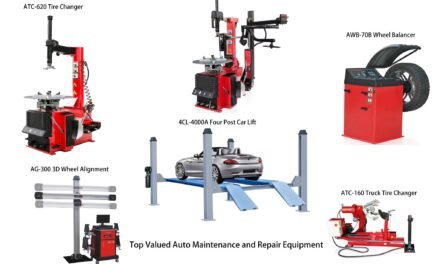
- Traditional Maintenance: Tire wear is a concern for both EVs and ICE vehicles, with alignment and balancing checks required periodically.
- EV Impact: EVs often have instant torque delivery, which can cause more rapid tire wear if not managed properly. The weight of EVs, especially those with large battery packs, can also place additional strain on tires.
Result: Tire maintenance remains crucial for both EVs and ICE vehicles, but EV owners may need to check tire condition more frequently, as the driving characteristics of EVs can impact tire longevity.
7. Diagnostics and Software Updates
- Traditional Maintenance: Diagnosing mechanical issues in ICE vehicles often involves checking components manually, such as the engine, exhaust system, and fuel lines.
- EV Impact: EVs rely heavily on electronic systems, software, and integrated control units. Diagnostic tools for EVs are more focused on the electric motor, battery systems, and vehicle control software. EVs often come with over-the-air (OTA) software updates that can fix bugs or improve vehicle performance remotely, reducing the need for frequent service visits.
Result: The maintenance of EVs will increasingly be focused on electronic systems, requiring technicians with specialized knowledge in software and battery systems. Owners can also expect more remote diagnostics and software-based fixes.
8. Lubrication and Fluids in Drive Components
- Traditional Maintenance: In ICE vehicles, various parts like the engine, transmission, and power steering require specific lubricants and fluids to ensure smooth operation.
- EV Impact: In EVs, fewer components require lubrication. For example, electric motors may require some lubrication, but they don’t need oil changes like an ICE engine. Transmission systems in EVs are simpler and typically don’t require much maintenance.
Result: Maintenance tasks like fluid changes are greatly reduced in EVs, making them more convenient and less expensive to maintain compared to ICE vehicles.
9. Component Lifespan and Replacement
- Traditional Maintenance: The engine and transmission are the major components that wear out over time in an ICE vehicle.
- EV Impact: While EVs still have wear components like tires, brakes, and suspension, the major electric drivetrain components (motor, battery, and inverter) are designed to last longer than their ICE counterparts. However, battery degradation over time remains a challenge, especially for older EVs.
Result: EVs generally have longer lifespans for key components, but battery replacement may become a significant expense after many years of use. Manufacturers are focusing on improving battery durability and offering extended warranties.
Conclusion: EVs vs ICE Vehicle Maintenance
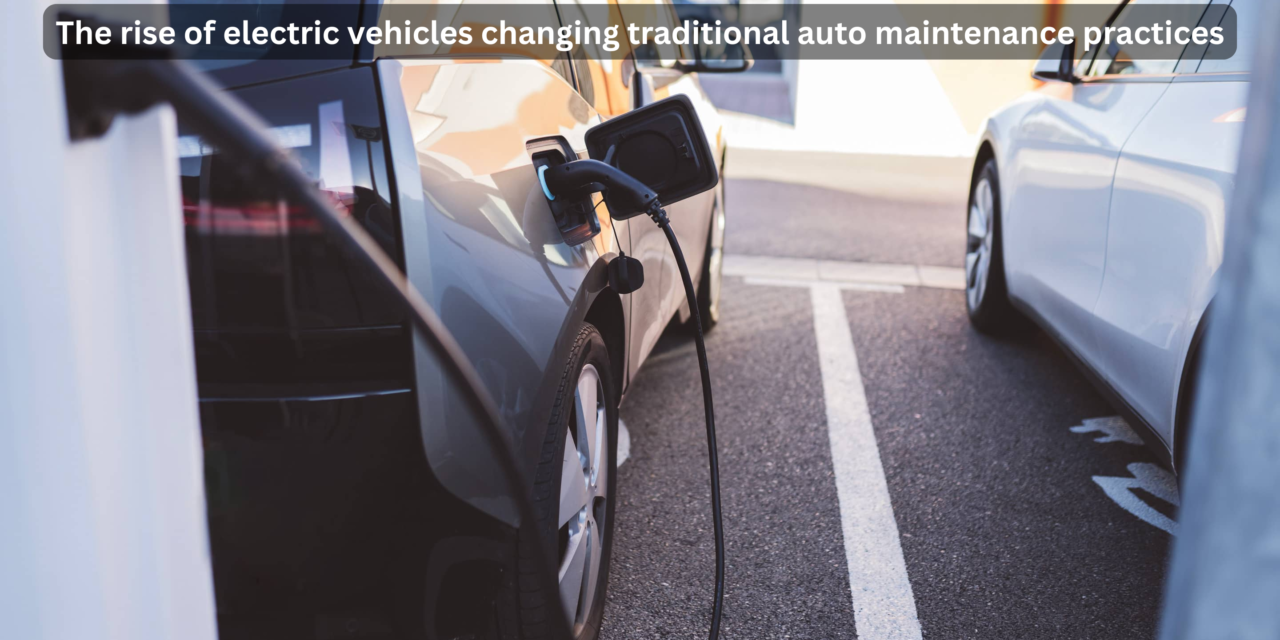
As the popularity of electric vehicles continues to rise, maintenance practices for vehicles are shifting significantly. The key difference lies in fewer moving parts, simpler drivetrains, and software-driven maintenance, which generally leads to lower maintenance costs over the long term. However, battery management, electronic systems, and regenerative braking will become more important in EV maintenance, requiring new knowledge and skills from technicians and new tools for diagnostics and repair. EV owners will enjoy a reduced need for traditional maintenance tasks like oil changes, but the importance of proper battery care and software updates will shape the new landscape of vehicle servicing.
Hashtags
#ElectricVehicleMaintenance #EVMaintenanceChanges #ShiftToEVMaintenance #EVsVsICEMaintenance #EVMaintenanceRevolution #ElectricVehicleCare #EVMaintenanceDifferences #EVBatteryCare #EVChargingSystemMaintenance #ElectricVehicleRepairs #EVBatteryReplacement #EVTireCare #BrakeRegenerativeMaintenance #CoolantForElectricVehicles #EVVsICEMaintenance #NoOilChangesForEVs #EVBrakeMaintenance #BatteryLifeManagement #ElectricMotorCare #FewerMovingPartsInEVs #EVBatteryReplacementChallenges #ChargingSystemIssues #LimitedEVServiceCenters #SpecializedEVRepairSkills #EVBatteryDegradation #LowerEVMaintenanceCosts #LessFrequentRepairsWithEVs #EVsRequireLessService #CostSavingsWithElectricVehicles #EVTechMaintenance #SmartEVMaintenance