The rise of electric vehicles (EVs) is significantly reshaping the global automotive market, driving change across multiple aspects of the industry, from manufacturing processes to consumer preferences, and even government policies. Below are some of the key ways that the rise of EVs is impacting the global automotive market:
1. Shift in Consumer Preferences
- Growing Demand for EVs: As consumers become more environmentally conscious and seek cost-efficient alternatives to traditional internal combustion engine (ICE) vehicles, demand for EVs is rising. Many consumers are attracted to the benefits of lower operating costs, including lower fuel and maintenance expenses, as well as the appeal of cleaner, greener transportation.
- Changing Market Dynamics: Consumers in key markets like Europe, China, and North America are increasingly making the switch to electric vehicles, driving automakers to expand their EV offerings. This is forcing automakers to rethink their product portfolios and accelerate the development of electric models.
2. Competition and Innovation Among Automakers
- Emergence of New Players: The rise of EVs has led to the emergence of new automakers, most notably Tesla, which has become a market leader in EVs. In response, traditional automakers like Volkswagen, General Motors, Ford, Toyota, and BMW are shifting their focus to electric mobility, investing billions into developing EVs and electric platforms.
- Increased Investment in R&D: As competition intensifies, automakers are heavily investing in research and development (R&D) to improve battery technology, vehicle performance, and charging infrastructure. The result is innovations in battery chemistry, charging speeds, and range, which make EVs more appealing to a broader audience.
- New Business Models: Some automakers are even exploring new business models such as mobility-as-a-service (MaaS) and subscription-based car ownership, driven by the rise of electric vehicles and the adoption of shared mobility services.
3. Transformation of Manufacturing Processes
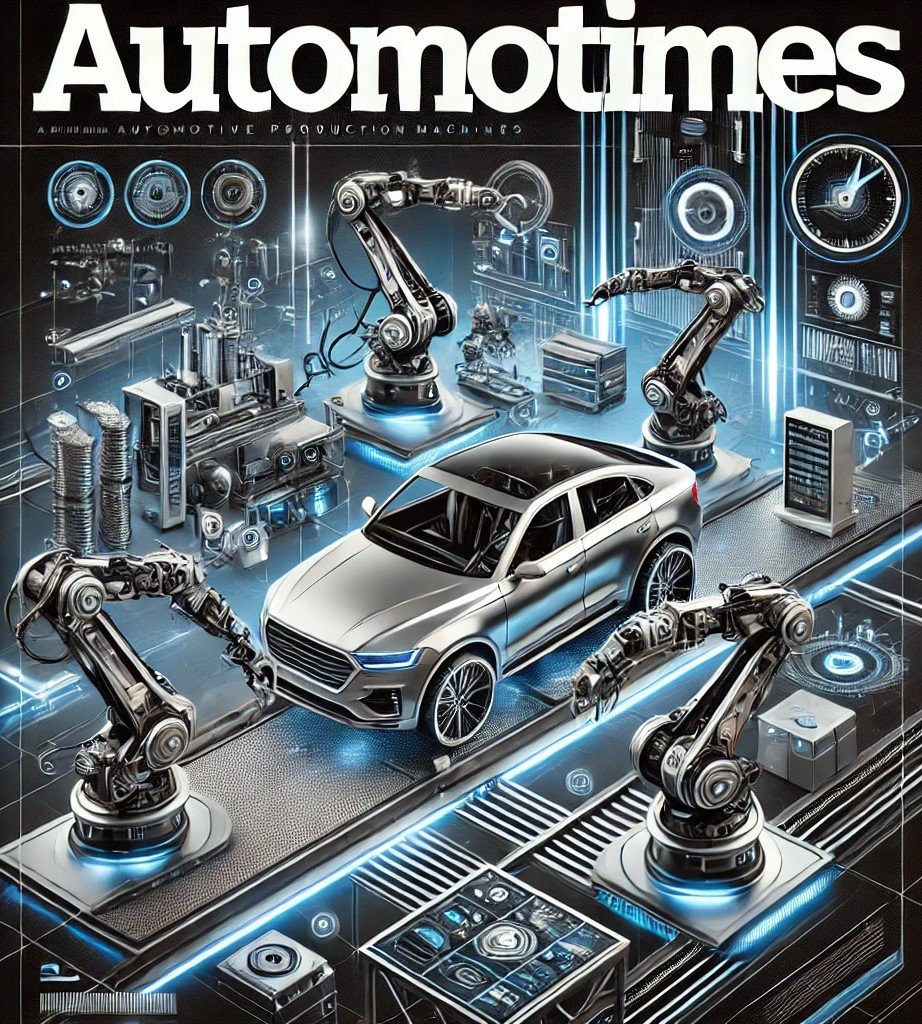
- Shift from ICE to EV Production: The transition from internal combustion engine vehicles to electric vehicles requires significant changes in manufacturing processes. EVs are simpler in terms of engine design, but they require sophisticated battery production and new production lines tailored to electric drivetrains.
- Automakers like Ford and General Motors are investing in EV manufacturing facilities and converting traditional ICE vehicle plants to produce electric models.
- Volkswagen has made significant investments in its electric production strategy, including the development of its MEB platform (Modular Electric Drive Matrix), which is dedicated to electric cars.
- Impact on Suppliers: The rise of EVs is also shifting the supply chain for automotive parts. The demand for components like batteries, electric drivetrains, and advanced electronic systems is increasing, while the demand for traditional components like exhaust systems, fuel tanks, and engine parts is declining. This has a ripple effect on the entire automotive parts and components industry.
4. Global Push for Sustainability and Environmental Regulations
- Government Incentives: In many regions, governments are offering tax incentives, subsidies, and grants to make EVs more affordable and encourage their adoption. These incentives are pushing automakers to invest in EV production to meet regulatory demands and remain competitive in the market.
- Emission Regulations: Stricter emissions standards are being enforced in many countries, particularly in the European Union, China, and the U.S. These regulations have made it more difficult for traditional ICE vehicles to comply with environmental standards, further accelerating the push toward electric mobility.
- The European Union and California have set stringent CO2 emission standards, making it necessary for automakers to shift toward producing cleaner, electric vehicles to meet the regulations.
- Bans on ICE Vehicle Sales: Several countries have announced plans to ban the sale of new internal combustion engine (ICE) vehicles within the next few decades. For example, Norway plans to ban the sale of new ICE vehicles by 2025, while the UK has set a target of 2030.
- These moves are pushing automakers to invest heavily in electric vehicles to ensure compliance with upcoming bans.
5. Energy and Infrastructure Development
- EV Charging Networks: As the number of electric vehicles on the road grows, there is an increased need for charging infrastructure. Governments and private companies are investing in expanding public charging networks to accommodate EVs, making them more convenient for consumers.
- Tesla’s Supercharger network is one of the most widely recognized examples of private-sector efforts to create an EV charging infrastructure.
- Additionally, automakers like BMW and Volkswagen are working with governments and energy providers to expand the global charging network, particularly in key markets like Europe, North America, and China.
- Integration with Renewable Energy: The rise of EVs has also spurred interest in integrating electric vehicles with renewable energy sources, like solar power, to further reduce carbon emissions. Many consumers are installing home solar charging systems, and companies are developing smart grid technologies to optimize energy use.
6. Impact on the Global Oil Market
- Declining Demand for Oil: As more consumers switch to EVs, demand for gasoline and diesel fuel is expected to decline, especially in regions with high EV adoption. This could have significant consequences for the global oil market, especially in countries where oil exports form a substantial part of the economy.
- Diversification of Energy Sources: As the automotive industry moves away from fossil fuels, oil-dependent economies may be prompted to diversify their energy sectors. Countries like Saudi Arabia and Russia, which are heavily dependent on oil exports, are already exploring investments in non-oil sectors to prepare for a future with reduced oil demand.
7. Job Market Shifts
- Job Losses in Traditional Automotive Sectors: The transition from ICE vehicles to EVs may lead to job losses in certain sectors of the automotive industry. For example, the production of traditional engines, exhaust systems, and fuel tanks will decrease, potentially resulting in layoffs in those areas.
- New Job Opportunities in EV Manufacturing: Conversely, the shift to electric vehicles is creating new jobs in areas such as battery manufacturing, EV assembly, and the development of new vehicle technologies. Electric vehicles require different skill sets for assembly and maintenance, so there is a growing demand for workers with expertise in electric drivetrains, battery technology, and advanced electronics.
- Impact on Automotive Suppliers: Suppliers that specialize in parts for traditional ICE vehicles may need to pivot to producing components for electric drivetrains, batteries, and related technologies.
8. Energy Storage and Battery Recycling
- Battery Demand and Sustainability: The increase in EVs is driving demand for lithium-ion batteries, which raises concerns about resource availability, mining practices, and sustainability. Automakers are investing in sustainable mining practices and exploring alternatives to lithium, cobalt, and nickel.
- Battery Recycling: As EV adoption grows, the need for efficient battery recycling technologies is becoming more critical. Automakers and specialized companies are working to develop systems that can safely and economically recycle EV batteries, reducing the environmental impact of battery production and disposal.
Conclusion
The rise of electric vehicles is having a profound impact on the global automotive market, with effects on manufacturing processes, consumer preferences, government regulations, supply chains, and even the global energy landscape. While challenges remain, such as infrastructure development and battery production, the shift to EVs represents an important step in creating a more sustainable and technologically advanced automotive industry. As more automakers invest in electric mobility and governments introduce stricter environmental regulations, the transition to electric vehicles is expected to accelerate, reshaping the market in the coming decades.
Hashtags
#EVRevolution #RiseOfElectricVehicles #EVImpactOnAutomotive #EVMarketGrowth #GlobalEVShift #EVTransformation #ElectricVehicleDisruption #AutomotiveIndustryEvolution #EVsChangingTheIndustry #EVAutomotiveDisruption #DemandForEVs #EVConsumerShift #EVMarketDemand #ConsumersGoElectric #EVsVsICE #EVPopularity #ElectricCarsPopularity #EVTechnologyInnovation #EVInnovation #ElectricVehicleTech #BatteryInnovation #EVBatteryTechnology #FutureOfEVs #AutomotiveTechEvolution #AutomotiveIndustryShift #EVAutomotiveTransition #CarManufacturersGoElectric #EVProductionShift #ElectricCarManufacturing #AutomotiveEVStrategy #EVCarProduction