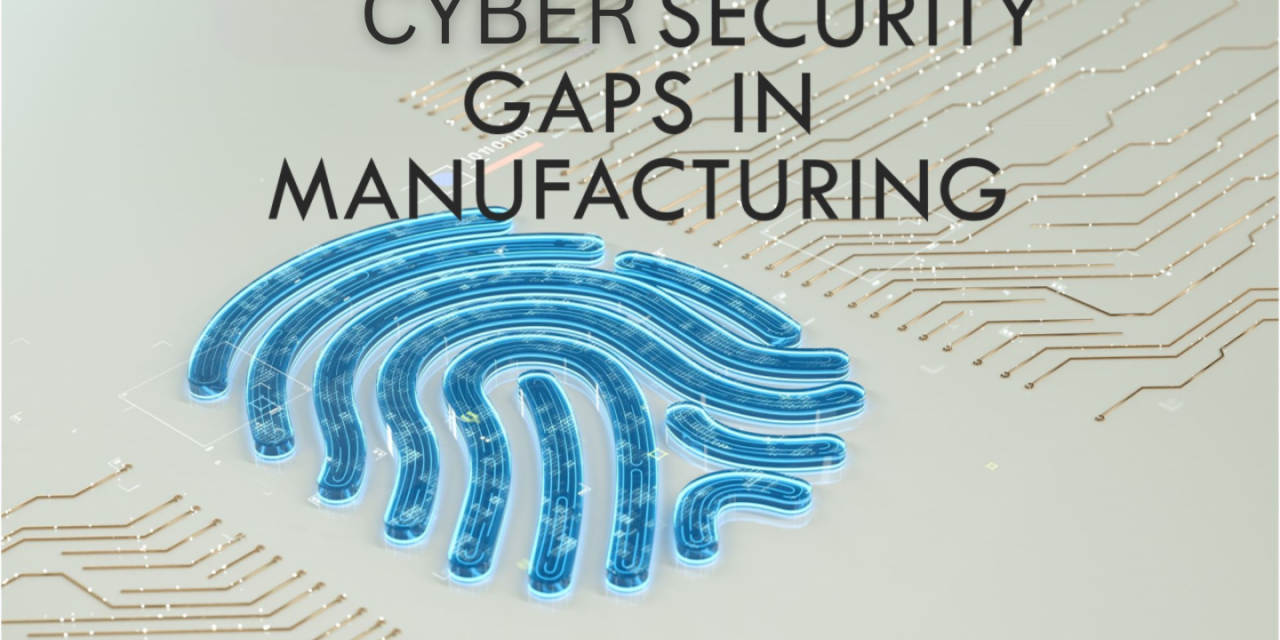
As the automotive industry rapidly embraces new mobility solutions, including electric vehicles (EVs), autonomous vehicles (AVs), and connected manufacturing systems, a pressing concern has emerged: the cybersecurity gaps introduced by these technological advancements. The integration of Information Technology (IT) and Operational Technology (OT) in manufacturing processes has created new vulnerabilities, as the shift towards smart factories and automated production lines makes manufacturing systems more interconnected and exposed to potential cyberattacks.
The convergence of IT and OT allows for real-time data sharing, remote monitoring, and improved automation, resulting in enhanced operational efficiency and productivity. However, this integration has expanded the attack surface, leaving manufacturers increasingly susceptible to cyber threats. A single breach in the network can compromise not only the production line but also critical data regarding vehicle design, supply chains, and vehicle performance. As more vehicles become connected, with features such as vehicle-to-vehicle (V2V) communication and real-time data transfer, cybersecurity risks become more complex and widespread. Vulnerabilities in the manufacturing process can lead to delays in production, loss of intellectual property, or even safety concerns in the vehicles themselves.
To address these challenges, manufacturers are focusing on strengthening network security through the implementation of advanced security protocols, such as encryption, multi-factor authentication, and access control measures. While these technologies can mitigate some of the risks, experts emphasize that a comprehensive cybersecurity strategy is needed to safeguard both digital systems and physical assets. Additionally, continuous risk assessments, employee training, and the adoption of global cybersecurity standards are crucial to maintaining the integrity of both the production process and the vehicles on the road.
As the automotive sector continues to innovate, ensuring robust cyber protection within the manufacturing environment is essential to mitigate the growing threats posed by cybercriminals. With the rise of autonomous and connected mobility, it is imperative for companies to prioritize cybersecurity as an integral component of their operations. Without adequate safeguards, the benefits of new mobility technologies could be overshadowed by the cost of cyberattacks and the potential damage to consumer trust.