Tamil Nadu State Government Holds Talks with Ford in the US to discuss potential collaborations for the future of manufacturing in the state. This high-level meeting highlights Ford’s renewed interest in India, particularly in the context of electric vehicle (EV) production and green mobility. With the Indian automotive sector witnessing a significant shift towards sustainable transportation, the Tamil Nadu government is keen on securing Ford’s participation in this growing market.
During the talks, the Tamil Nadu delegation emphasized the state’s strategic advantages, including its well-established automotive ecosystem, skilled workforce, and advanced infrastructure. The government is also offering incentives to attract global players like Ford, especially those committed to developing electric vehicles. Ford’s potential move to India aligns with the state’s ambitious goals to become a global hub for EV production, and the state is ready to provide land, financial assistance, and a favorable policy environment to encourage investment in the EV sector.
The US-based automaker previously scaled down its operations in India, but with the global shift towards EVs, the company is reconsidering its options. The talks with Tamil Nadu could pave the way for Ford’s re-entry into India, especially as the Indian government continues to introduce policies to promote EV adoption, such as subsidies and the FAME India scheme. By manufacturing electric vehicles in India, **Ford could not only tap into the rapidly growing domestic market but also export vehicles to other emerging markets in Asia and Africa.
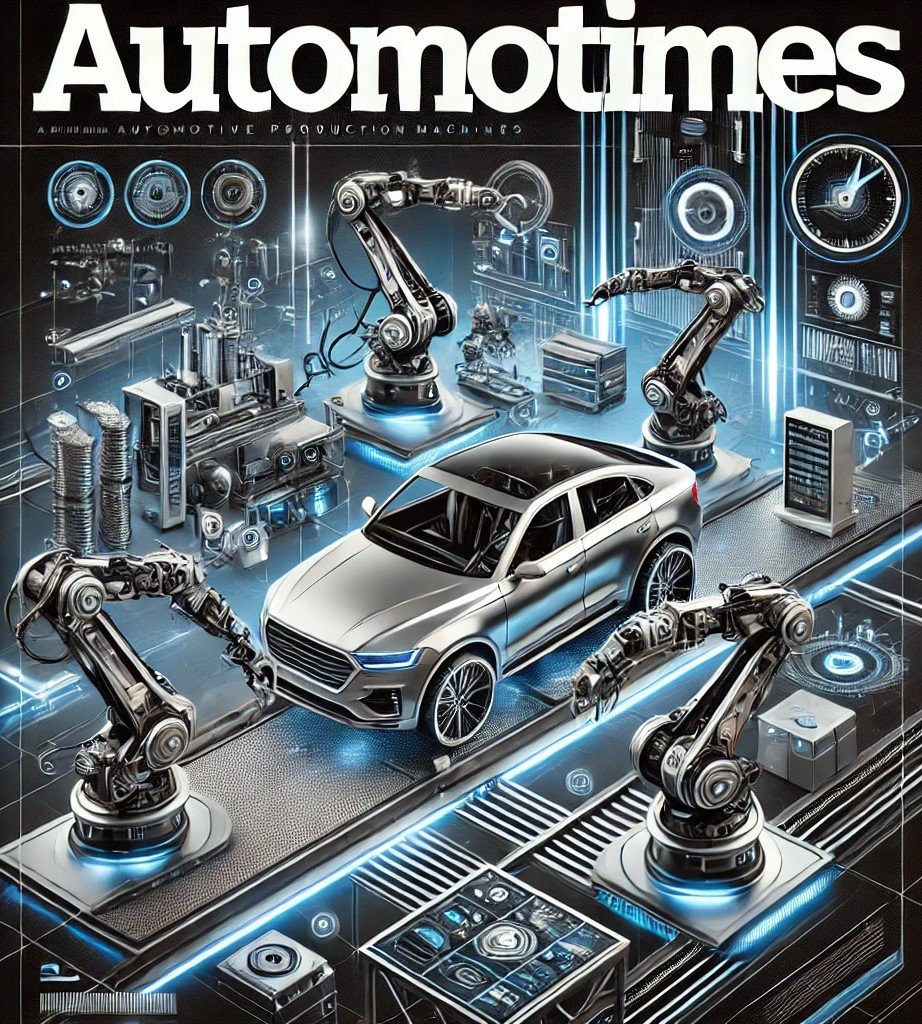
The discussions also touched upon the integration of advanced manufacturing technologies like robotics, AI, and smart manufacturing systems in the proposed Tamil Nadu facility. This would allow Ford to optimize production efficiency, while producing high-quality EVs at competitive prices. Moreover, as Indian consumers increasingly demand affordable electric vehicles, Ford could leverage its global expertise to create EV models that cater to the specific needs of the Indian market, including compact cars, affordable sedans, and electric SUVs.
In addition to EV manufacturing, the potential collaboration could involve creating a robust charging infrastructure, which remains a significant barrier to EV adoption in India. The state government and Ford could work together to build a network of fast-charging stations across key regions, supporting the widespread adoption of electric vehicles.
Tamil Nadu’s talks with Ford underscore the state’s commitment to becoming a key player in the electric vehicle sector and its efforts to attract global automotive giants like Ford. By offering a favorable policy environment, advanced infrastructure, and local manufacturing capabilities, Tamil Nadu is positioning itself as an ideal location for Ford’s EV production in India. If successful, this partnership could not only boost Ford’s presence in the Indian market but also contribute significantly to the growth of India’s green mobility revolution.