Advancements in car technology, particularly in the areas of autonomous driving, safety features, connectivity, and electric powertrains, can be applied to motorcycles, though with some modifications due to the inherent differences between motorcycles and cars. Here are several car technologies that can be adapted for motorcycles:
1. Autonomous Driving Technology
Autonomous driving is a major advancement in the automotive industry, but applying it to motorcycles presents unique challenges. Nonetheless, some aspects of autonomous technology can still enhance motorcycle safety and convenience:
- Self-Stabilizing Technology: Autonomous driving for motorcycles could include self-stabilizing features to help keep the bike upright during low-speed maneuvers or while stationary. This could be achieved through gyroscopic stabilization, a system already used in some motorcycles like the BMW Motorrad “Self-Balancing Motorcycle.” This technology helps prevent the bike from tipping over and can provide greater control in tight spaces.
- Autonomous Lane Changing and Collision Avoidance: Motorcycles can adopt lane-keeping assistance, adaptive cruise control, and collision avoidance systems, much like in cars. These features use sensors (cameras, radar, and LiDAR) to detect surrounding vehicles and obstacles. For motorcycles, systems could help the rider maintain safe distances from vehicles or alert them about potential hazards.
- Automated Emergency Braking: Just like cars, motorcycles could be equipped with automated emergency braking (AEB) systems that can apply the brakes if the system detects an impending collision. However, due to the rider’s higher level of control, AEB for motorcycles would need to be finely tuned to avoid overreaching and to maintain balance.
2. Safety Features and Rider Assistance
Safety is a critical concern for motorcycles due to the lack of physical protection compared to cars. Many car safety technologies can be adapted to motorcycles to improve rider safety:
- Traction Control Systems (TCS): Modern cars use traction control to prevent wheel spin during acceleration. This can be adapted for motorcycles to improve stability and control, especially in slippery or uneven road conditions. Some advanced motorcycles already feature electronic stability programs (ESP), which adjust engine power or apply brakes to maintain control.
- Electronic Stability Control (ESC): ESC is already used in cars to help prevent skidding or loss of control during emergencies. For motorcycles, an adapted ESC could help maintain balance, particularly when a rider is at risk of losing traction during a turn or on slick roads.
- Advanced Airbags: Some motorcycles are already using airbags in jackets, vests, or even in the bike itself. Airbag systems could be further refined and integrated into the motorcycle’s structure (e.g., deploying from the front and rear to protect the rider during a crash).
- Blind Spot Detection and Lane Departure Warning: Similar to cars, motorcycles could benefit from systems that detect vehicles in the rider’s blind spots and warn them if they are unintentionally drifting out of their lane. This could be achieved using radar and camera systems installed on the bike to alert the rider through vibrations or visual signals on the handlebars.
- Adaptive Headlights: Adaptive headlights, used in cars to illuminate curves in the road as the vehicle turns, can be adapted for motorcycles. These headlights would adjust the direction of the beam as the rider turns the handlebars, improving nighttime visibility and safety.
3. Connectivity and Smart Features
The integration of connectivity in cars, often referred to as connected car technology, can similarly enhance motorcycle performance, safety, and convenience:
- Vehicle-to-Vehicle (V2V) Communication: Car-to-car communication can be extended to motorcycles, allowing riders to exchange information about their surroundings, hazards, and traffic conditions in real-time. This can significantly improve safety, especially in dense traffic or when there is limited visibility.
- Motorcycle-Specific Navigation and Infotainment Systems: Just like in cars, motorcycles can be equipped with navigation systems that provide real-time traffic data, route planning, and turn-by-turn directions directly on a digital display or through a helmet-mounted heads-up display (HUD). Infotainment systems can also be integrated with smartphones for hands-free calling, music, and notifications.
- Remote Diagnostics and Maintenance Alerts: Advanced telematics systems in cars that monitor vehicle health can be adapted for motorcycles. These systems can alert riders about maintenance needs, such as tire pressure or oil changes, and provide real-time diagnostics, helping prevent breakdowns and accidents.
4. Electric Powertrains
As electric vehicles (EVs) become more prevalent in cars, electric motorcycles are also gaining popularity. Many advancements in electric car technology can directly apply to motorcycles:
- Battery Technology: Advances in EV battery technology, such as improvements in energy density, charging speed, and longevity, can be transferred to electric motorcycles. This would increase their range, reduce charging times, and improve overall performance, making them more competitive with traditional gasoline motorcycles.
- Regenerative Braking: Similar to electric cars, motorcycles can adopt regenerative braking systems that recover energy during braking and feed it back into the battery, increasing overall efficiency and range. This is particularly beneficial for electric motorcycles, where energy efficiency is crucial.
- Power Delivery and Efficiency: Electric motorcycles can benefit from the same power management and efficiency optimization algorithms used in electric cars. Advanced systems that manage how the bike delivers power to the wheels could enhance both acceleration and energy efficiency, providing a smoother, more responsive ride.
5. Autonomous Navigation in Urban Environments
As autonomous cars are being developed to navigate urban environments, there are certain elements of autonomous navigation that could be adapted to motorcycles in the future:
- Smart Parking: Automated parking features found in some vehicles can be adapted for motorcycles. E-motorcycles could potentially park themselves or be navigated to a safe, designated area without human intervention. This would be particularly beneficial in crowded urban environments where parking is limited.
- Urban Traffic Navigation: Autonomous vehicles are increasingly being designed to navigate complex urban traffic. While full autonomy may not be practical for motorcycles due to their size and handling requirements, some aspects of traffic flow management, such as automated route selection or adjusting speed based on traffic conditions, could be applied to motorcycles, especially electric ones.
6. Augmented Reality (AR) and Heads-Up Displays (HUDs)
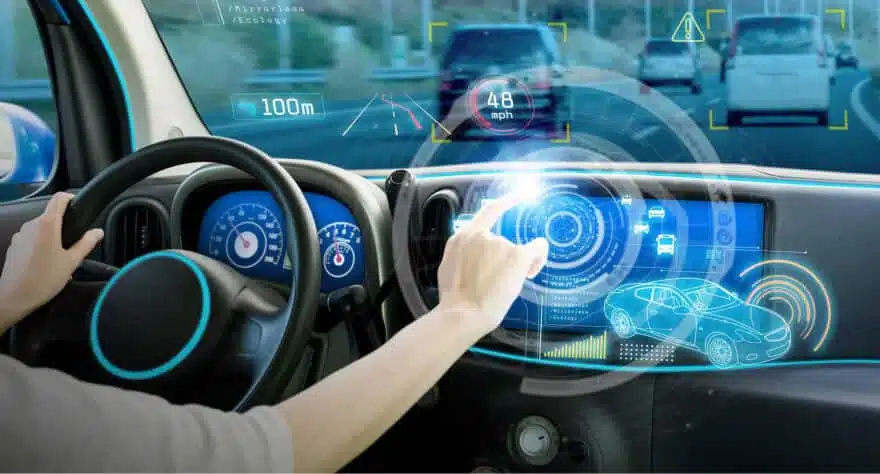
Many advanced cars are already using heads-up displays to provide the driver with vital information like speed, navigation, and hazard alerts without the need to look away from the road. This technology can be adapted to motorcycles:
- Helmet HUDs: Augmented reality (AR) or heads-up displays in motorcycle helmets can provide the rider with real-time information such as speed, navigation, traffic alerts, and battery status. This reduces the need for the rider to look down at a smartphone or dashboard, improving safety and convenience.
- AR Glasses: Similar to HUDs, augmented reality glasses for motorcyclists can project key driving information directly onto the rider’s field of view, allowing them to stay focused on the road while still receiving critical information.
Conclusion
While there are challenges in directly applying certain car technologies to motorcycles, particularly due to differences in vehicle dynamics and rider behavior, many innovations can enhance the safety, performance, and convenience of motorcycles. Features like autonomous stability systems, advanced safety systems, electric powertrains, connectivity, and augmented reality displays hold great potential for transforming the motorcycle market. As technology continues to evolve, these advancements could make motorcycles smarter, safer, and more efficient, appealing to a broader range of consumers while addressing key issues like safety and environmental sustainability.
Hashtags
#AutonomousMotorcycles #SelfDrivingMotorcycles #MotorcycleAutonomy #AutonomousDrivingForMotorcycles #AutonomousTechnologyOnTwoWheels #SelfDrivingMotorcyclesFuture #MotorcycleAutonomousTech #MotorcycleSafetyTech #AutonomousMotorcycleSafety #MotorcycleCollisionAvoidance #AdvancedSafetyForMotorcycles #MotorcycleAutonomousSafetyTech #AutonomousMotorcycleFeatures #MotorcycleCrashPreventionTech #AIInMotorcycles #MotorcycleAIIntegration #AutonomousSensorsForMotorcycles #AIForMotorcycleSafety #MotorcycleTechInnovation #MotorcycleSensorTechnology #MachineLearningInMotorcycles #MotorcycleV2VConnectivity #ConnectedMotorcycles