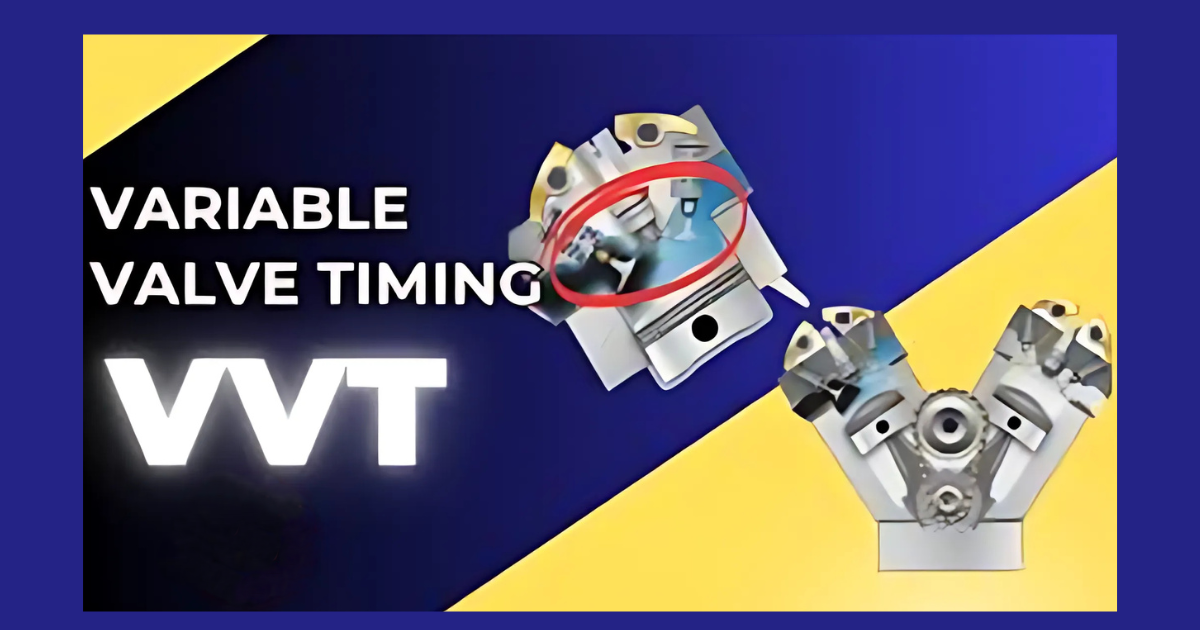
Variable Valve Timing (VVT) systems play a crucial role in enhancing both engine performance and fuel efficiency. Here’s how they contribute:
1. Improved Engine Efficiency:
- Function: VVT adjusts the timing of the intake and exhaust valve openings and closings based on engine speed and load.
- Benefit: At low speeds, it prioritizes fuel efficiency, and at high speeds, it maximizes power. This helps the engine run more efficiently across a wide range of conditions.
2. Better Fuel Economy:
- Function: By optimizing the timing of valve operation, VVT ensures that the engine uses fuel more efficiently.
- Benefit: Reduces fuel consumption, especially under varying driving conditions, leading to improved miles per gallon (MPG) and lower emissions.
3. Enhanced Engine Performance:
- Function: VVT allows for more precise control over how air and fuel enter and exit the engine, improving combustion.
- Benefit: Increases power output and torque, particularly at higher RPMs, without sacrificing efficiency.
4. Reduced Emissions:
- Function: VVT helps optimize combustion, leading to more complete burning of fuel.
- Benefit: Reduces the amount of unburned fuel and harmful emissions like nitrogen oxides (NOx) and hydrocarbons, helping vehicles meet strict environmental standards.
5. Smooth Power Delivery:
- Function: The system can vary valve timing continuously, ensuring smoother power delivery across the engine’s operating range.
- Benefit: Provides a more responsive driving experience, particularly in terms of acceleration and throttle response.
VVT systems enhance engine performance by optimizing fuel efficiency, increasing power, and reducing emissions. By adjusting valve timing in response to driving conditions, VVT ensures the engine operates efficiently across different RPM ranges, improving both fuel economy and overall driving dynamics.