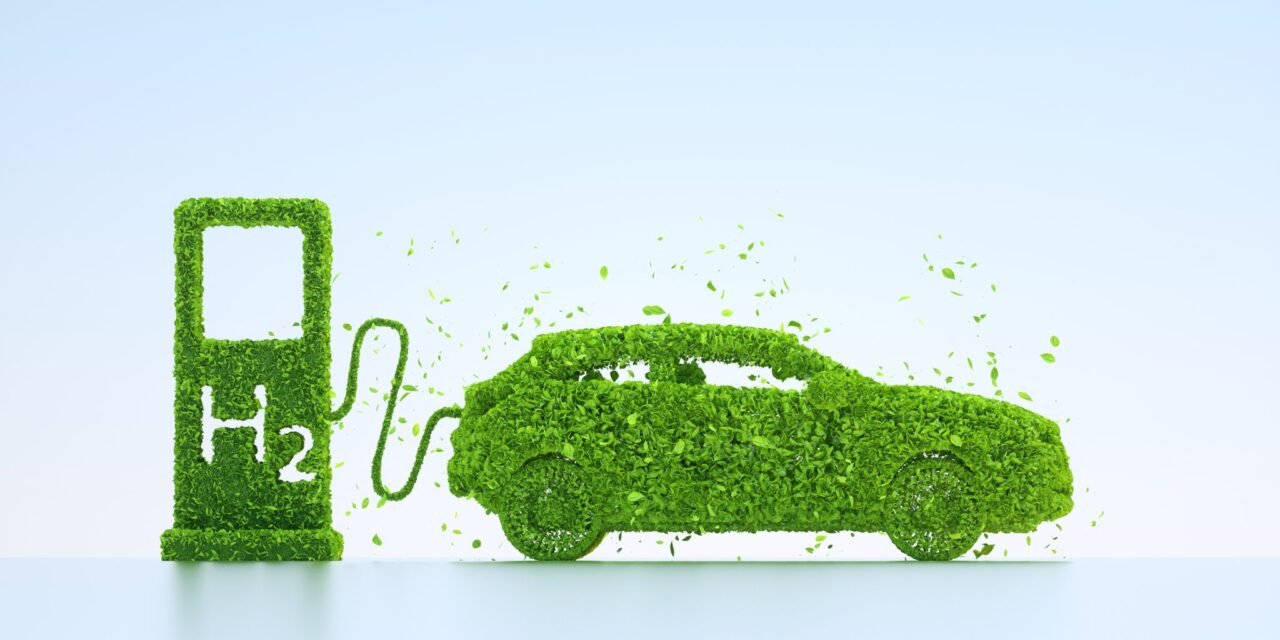
Alternative fuels such as hydrogen and biofuels are playing an increasingly significant role in the automotive industry as part of efforts to reduce carbon emissions, improve energy efficiency, and diversify the sources of energy used in vehicles. These fuels are being explored and implemented alongside electric vehicles (EVs) as sustainable alternatives to traditional gasoline and diesel. Below is an overview of how hydrogen and biofuels are influencing the automotive industry:
1. Hydrogen as an Alternative Fuel
Hydrogen fuel is seen as a promising solution for decarbonizing transportation, particularly in sectors where electrification may be less practical, such as heavy-duty trucks, buses, and long-distance transportation. The influence of hydrogen fuel on the automotive industry includes:
Hydrogen Fuel Cells (FCVs)
- Zero Emissions: Hydrogen fuel cell vehicles (FCVs) generate electricity through a chemical reaction between hydrogen and oxygen, with water vapor as the only byproduct. This results in zero tailpipe emissions, making hydrogen a very attractive option for reducing the carbon footprint of the transportation sector.
- Range and Refueling Time: One of the significant advantages of hydrogen-powered vehicles is their long driving range and fast refueling times. FCVs can refuel in just a few minutes, similar to conventional gasoline vehicles, whereas battery electric vehicles (EVs) can take longer to charge. This makes hydrogen an ideal solution for long-distance travel and heavy-duty vehicles that require quick turnaround times.
- Heavy-Duty and Commercial Vehicles: Hydrogen is especially suitable for commercial applications such as trucks, buses, and trains, where battery capacity is often limited by weight. Hydrogen fuel cells can provide higher energy density, making them more effective for long-range, high-demand applications.
Hydrogen Infrastructure Development
- Fueling Stations: A key challenge for the widespread adoption of hydrogen fuel cell vehicles is the lack of refueling infrastructure. Building hydrogen fueling stations is expensive and logistically challenging, particularly in regions with low demand. However, several countries and regions, such as Japan, South Korea, and parts of Europe, are investing in hydrogen infrastructure to support FCVs.
- Green Hydrogen Production: For hydrogen to be truly sustainable, it needs to be produced using renewable energy sources. Green hydrogen is produced through electrolysis using renewable energy (solar, wind, etc.) to split water into hydrogen and oxygen. As green hydrogen production scales up, the environmental benefits of hydrogen fuel cells will increase, further reducing the carbon footprint of hydrogen-powered vehicles.
Challenges
- Energy Efficiency: Producing, storing, and transporting hydrogen can be energy-intensive. Hydrogen fuel cells also have lower efficiency compared to battery electric vehicles, which is a challenge for their widespread adoption in consumer markets.
- Cost: The cost of hydrogen fuel cell technology, including the hydrogen fuel tanks and fuel cell stacks, remains high. However, costs are expected to decrease over time as technology improves and economies of scale are achieved.
2. Biofuels as an Alternative Fuel
Biofuels, which are derived from renewable biological sources such as plants, algae, and waste materials, have been used in the automotive industry for several decades. The two main types of biofuels used in vehicles are ethanol and biodiesel. Biofuels influence the automotive industry in several ways:
Ethanol (Bioethanol)
- Blend with Gasoline: Ethanol is primarily used as an additive in gasoline to reduce its carbon content. Common ethanol blends include E10 (10% ethanol and 90% gasoline) and E85 (85% ethanol and 15% gasoline). Ethanol reduces the overall carbon footprint of gasoline when blended and helps reduce dependency on fossil fuels.
- Renewable and Sustainable: Bioethanol is produced from crops such as corn, sugarcane, and wheat. This renewable fuel can help reduce greenhouse gas emissions compared to conventional gasoline, especially when produced from sustainably grown crops. Second-generation ethanol, made from non-food sources like cellulosic biomass, is being developed to reduce competition with food production.
- Infrastructure: The existing infrastructure for fueling stations and vehicle engines that run on ethanol is already in place, especially in countries like Brazil and the United States, where ethanol is widely used. This makes ethanol a relatively easy alternative fuel to implement at scale.
Biodiesel
- Diesel Engine Compatibility: Biodiesel is made from renewable resources such as vegetable oil, animal fat, or algae. It can be used in diesel engines with little or no modification. Biodiesel is often blended with traditional diesel fuel in varying percentages, such as B20 (20% biodiesel and 80% petroleum diesel).
- Reduced Emissions: Biodiesel produces fewer harmful emissions, such as particulate matter, sulfur oxides, and carbon monoxide, compared to traditional diesel fuel. It also has lower carbon intensity, meaning it can reduce greenhouse gas emissions when compared to petroleum-based diesel.
- Sustainability: Biodiesel can be made from waste oils and fats, reducing the reliance on food crops. Additionally, since it is biodegradable and non-toxic, biodiesel has a smaller environmental impact when spilled compared to petroleum diesel.
Advanced Biofuels
- Second-Generation Biofuels: Research is underway to produce biofuels from non-food sources, such as algae, agricultural waste, and forestry residues. These advanced biofuels have the potential to provide significant environmental benefits because they do not compete with food production and can be produced from a wide range of organic materials.
- Third-Generation Biofuels: The next generation of biofuels may involve using genetically engineered algae or bacteria to produce biofuels more efficiently. This could potentially allow for a more sustainable and scalable supply of biofuels in the future.
Challenges
- Land Use and Food Security: The use of food crops for biofuel production (especially ethanol from corn or sugarcane) has raised concerns about food security and land-use competition. This is particularly a concern in developing countries.
- Production Costs: Biofuels, particularly advanced biofuels, can be more expensive to produce than conventional fossil fuels. Continued research and technological advancements are necessary to reduce costs and make biofuels more competitive in the market.
- Energy Efficiency: While biofuels are cleaner than fossil fuels, their overall energy efficiency can vary depending on the feedstock and production processes. First-generation biofuels, such as ethanol from corn, can have lower net energy gains compared to second- and third-generation biofuels.
3. Influence on the Automotive Industry
The adoption of alternative fuels like hydrogen and biofuels is reshaping the automotive industry in several ways:
Transition to Cleaner Technologies
- Reduction of Greenhouse Gas Emissions: Both hydrogen and biofuels offer lower emissions compared to traditional fossil fuels. Hydrogen-powered vehicles produce only water vapor, while biofuels have a lower carbon intensity than gasoline and diesel. This contributes to the industry’s efforts to meet global emissions reduction targets.
- Alternative Fuel Vehicles: Automakers are investing in the development of hydrogen fuel cell vehicles (FCVs) and vehicles that run on biofuels. These vehicles may become an important part of the market alongside electric vehicles (EVs), offering a diverse array of clean mobility options for consumers.
Fuel Infrastructure Changes
- Hydrogen Refueling Stations: Hydrogen infrastructure development is a key factor in the widespread adoption of FCVs. The automotive industry is working with energy companies and governments to build a network of hydrogen refueling stations in key regions, similar to the EV charging infrastructure.
- Biofuel Availability: Biofuels are already integrated into many existing fueling stations, especially for ethanol and biodiesel. In regions where biofuels are widely available, automakers can offer vehicles that run on these fuels without requiring significant infrastructure changes.
Collaboration and Investment
- Automaker Partnerships: Automakers are increasingly partnering with governments, energy companies, and research organizations to accelerate the development and deployment of hydrogen and biofuels. These collaborations are essential to overcoming technical, logistical, and economic challenges associated with these alternative fuels.
- R&D and Innovation: Automakers are investing heavily in research and development to improve hydrogen fuel cell technology, biofuel production methods, and engine compatibility. This is driving innovation in powertrain technologies, materials, and energy systems.
Conclusion
Alternative fuels like hydrogen and biofuels are significantly influencing the automotive industry by providing cleaner, more sustainable alternatives to traditional gasoline and diesel fuels. Hydrogen, with its potential for zero-emission driving, is seen as a viable solution for heavy-duty vehicles and long-distance transportation. Biofuels, particularly ethanol and biodiesel, are already in use and contribute to reducing greenhouse gas emissions in the existing vehicle fleet. While challenges such as infrastructure development, cost, and production efficiency remain, the continued advancement of hydrogen and biofuels is critical to the automotive industry’s efforts to reduce its carbon footprint and transition to a more sustainable future.
Hashtags
#HydrogenFuel #HydrogenCars #FuelCellVehicles #HydrogenPoweredVehicles #HydrogenRevolution #GreenHydrogen #HydrogenEnergy #ZeroEmissionHydrogen #HydrogenForTransport #HydrogenFuelCell #Biofuels #EthanolFuel #Biodiesel #SustainableBiofuels #BiofuelTechnology #BiofuelVehicles #GreenFuel #RenewableBiofuels #BiofuelInnovation #AlternativeBiofuels #CleanBiofuel #BiofuelRevolution #SustainableFuel #RenewableEnergyInTransport #CleanEnergyVehicles #GreenTransport #EcoFriendlyFuel #AlternativeFuelSolutions #FutureOfFuel #GreenFuelInnovation #CleanEnergyRevolution #FuelCellInfrastructure #HydrogenChargingStations #BiofuelInfrastructure