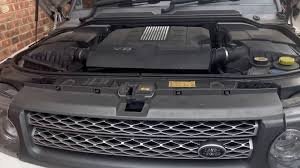
The primary function of a radiator in a vehicle’s cooling system is to regulate the engine’s temperature by dissipating the excess heat generated during the engine’s operation. The radiator plays a crucial role in preventing the engine from overheating, which could cause significant damage and reduce its performance. Here’s a breakdown of how the radiator functions within the vehicle’s cooling system:
1. Heat Dissipation
- The engine generates a large amount of heat as fuel is burned for power. To prevent the engine from becoming too hot and potentially failing, the cooling system absorbs this heat and transfers it to the radiator.
- The radiator has thin metal fins and a large surface area, which helps dissipate the heat efficiently into the air. Coolant (a mixture of water and antifreeze) flows through the radiator’s tubes, carrying away the heat from the engine.
2. Coolant Flow
- The coolant absorbs the heat from the engine and circulates through the radiator. The coolant enters the radiator through an inlet tank, flows through the internal tubes or channels, and then exits through the outlet tank.
- As the coolant moves through the radiator, air passing through the radiator grille (typically aided by a cooling fan) helps lower the temperature of the coolant. The now cooled coolant is then pumped back into the engine to absorb more heat, continuing the cooling cycle.
3. Maintaining Optimal Engine Temperature
- The radiator helps keep the engine within an optimal temperature range, which is typically between 195°F and 220°F (90°C to 105°C), depending on the vehicle and operating conditions.
- This is important because an engine that is too cold can run inefficiently, while an overheated engine can suffer from premature wear, engine knocking, or even severe damage.
4. Role of the Thermostat
- A thermostat in the cooling system works in tandem with the radiator to ensure the engine remains within the ideal temperature range. It regulates the flow of coolant into the radiator by opening and closing based on the coolant temperature. When the engine is cold, the thermostat stays closed, allowing the engine to warm up faster. Once the engine reaches the optimal temperature, the thermostat opens to allow coolant to flow into the radiator.
5. Heat Transfer and Radiator Cap
- The radiator cap also plays a role in maintaining the system’s pressure, which raises the boiling point of the coolant and allows it to work more efficiently. As coolant absorbs heat, it expands, and the cap maintains pressure within the system to prevent coolant from boiling over.
Conclusion
The radiator is essential to maintaining the engine’s temperature balance by transferring heat away from the engine, ensuring it doesn’t overheat, and thus, preventing damage. It supports overall engine efficiency, helps prolong engine life, and ensures that the vehicle operates smoothly under various conditions.
Hashtags
#VehicleRadiator #RadiatorCoolingSystem #EngineCooling #CarRadiatorFunction #CoolingSystemEfficiency #VehicleCoolingTech #EngineTemperatureControl #RadiatorForEngineCooling #RegulateEngineHeat #CarEngineThermalManagement #KeepEngineCool #EngineProtection #PreventEngineOverheating #ProtectEngineHealth #CoolingSystemLongevity #RadiatorForEngineLife #CoolantFlow #CoolantAndRadiator #RadiatorCoolantEfficiency #RadiatorCoolantFluid #VehicleCoolantManagement #OptimalEnginePerformance #MaintainEngineEfficiency #CarCoolingEfficiency #EfficientCoolingSystem #ThermalEfficiencyInCars #RadiatorProblems #OverheatingEngine #CoolingSystemFailure #RadiatorCheck #CoolingSystemMaintenance #ModernRadiatorDesign #AdvancedCoolingSystems #AutomotiveCoolingTechnology #VehicleCoolingInnovation #CarCoolingTech