The automotive industry is on the cusp of significant transformation, driven by technological advancements and evolving consumer demands. Here are some of the most significant innovations expected over the next decade:
1. Electric Vehicles (EVs) and Charging Infrastructure
- Innovation: Widespread adoption of EVs, driven by advancements in battery technology, range, and faster charging solutions.
- Impact: Reduced carbon emissions, lower operating costs for consumers, and the development of robust charging networks.
2. Autonomous Vehicles (AVs)
- Innovation: Increased development of fully autonomous vehicles with advanced sensors, AI algorithms, and real-time data processing.
- Impact: Revolutionized transportation systems, enhanced safety, reduced traffic accidents, and potential for shared autonomous fleets.
3. Vehicle-to-Everything (V2X) Communication
- Innovation: Cars communicating with each other and infrastructure to share real-time data, such as road conditions, traffic, and accident warnings.
- Impact: Enhanced road safety, reduced traffic congestion, and improved traffic management systems.
4. Advanced Driver Assistance Systems (ADAS)
- Innovation: More sophisticated ADAS features, including automatic lane changing, parking, and collision avoidance.
- Impact: Increased driver safety and paved the way for semi-autonomous driving capabilities.
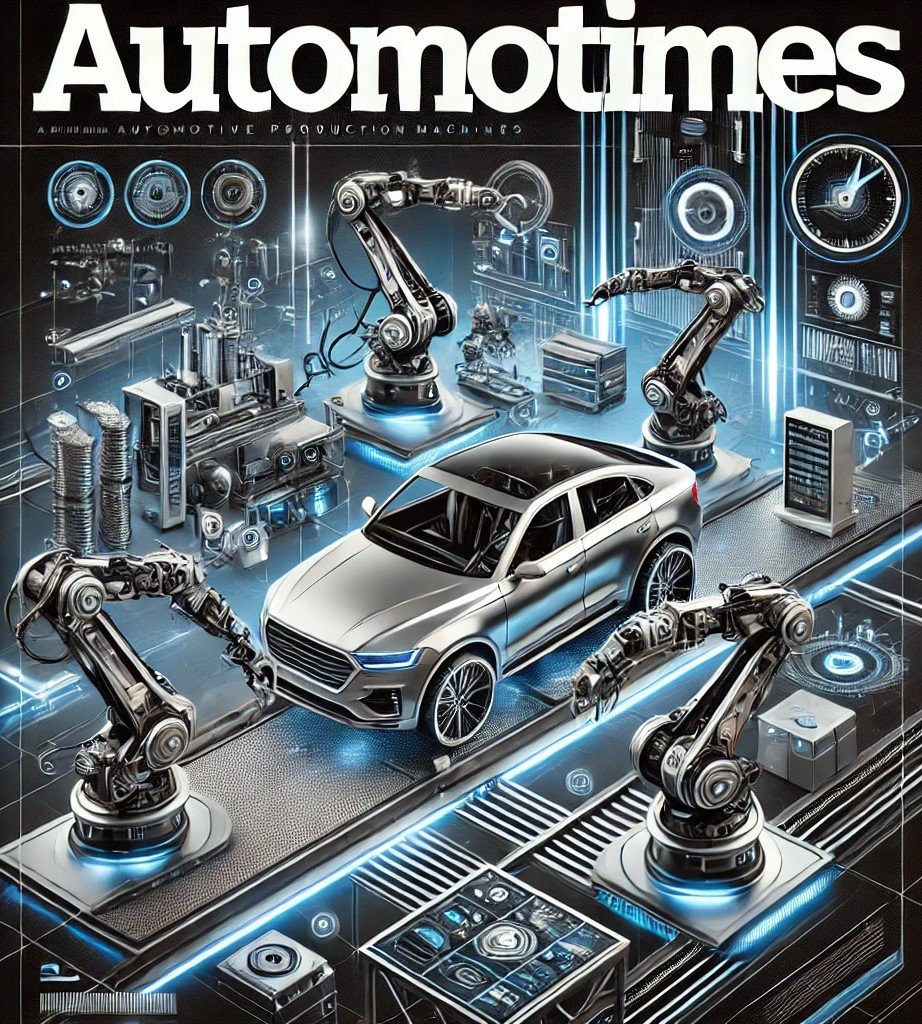
5. Smart Manufacturing and Industry 4.0
- Innovation: Integration of AI, robotics, IoT, and digital twins in manufacturing processes to enable flexible, cost-efficient, and customized production.
- Impact: Improved quality control, faster production times, and the ability to create personalized vehicles at scale.
6. Hydrogen Fuel Cells
- Innovation: Development of hydrogen-powered vehicles as an alternative to battery-powered EVs, offering faster refueling times and longer ranges.
- Impact: Viable in sectors requiring heavy-duty vehicles, such as trucks and buses, contributing to reducing emissions in those areas.
7. Advanced Materials and Lightweighting
- Innovation: Use of carbon fiber, aluminum, and other lightweight composites to reduce vehicle weight and improve fuel efficiency.
- Impact: Enhanced vehicle performance, greater range for electric vehicles, and better fuel economy for traditional engines.
8. Augmented Reality Dashboards and Interfaces
- Innovation: Integration of AR in dashboards for navigation, hazard detection, and driver assistance, providing real-time overlays and guidance.
- Impact: Improved driver experience, enhanced safety, and reduced distractions.
9. Mobility as a Service (MaaS)
- Innovation: A shift from vehicle ownership to shared mobility platforms where consumers access vehicles through subscriptions or on-demand services.
- Impact: Reduced traffic congestion, lower transportation costs, and more sustainable urban mobility.
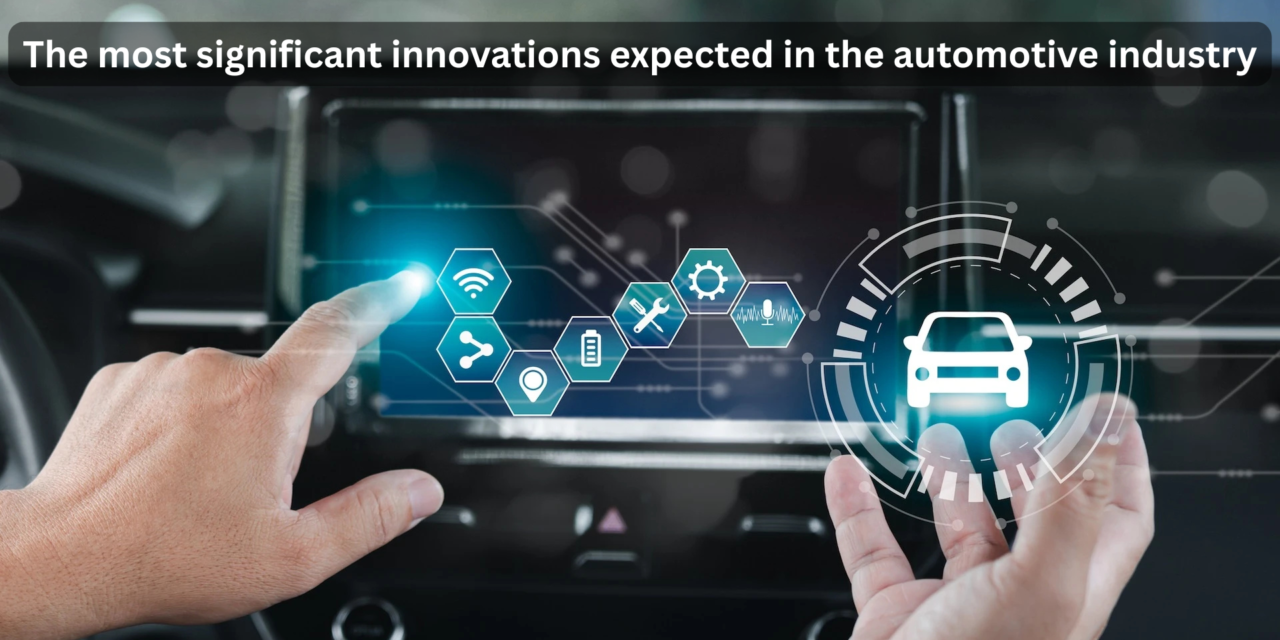
10. Connected Vehicles
- Innovation: Full integration of vehicles into the digital ecosystem, allowing for over-the-air updates, remote diagnostics, and seamless connectivity with other devices.
- Impact: Improved vehicle maintenance, personalization, and enhanced driving experiences through smart integration.
Conclusion
The automotive industry is set for transformative changes, with innovations in EVs, autonomous technology, smart manufacturing, and connectivity driving the future. These advancements will not only enhance the consumer experience but also contribute to more sustainable, efficient, and safer transportation systems.
Hashtags
#EVRevolution #ElectricVehicles #NextGenEV #BatteryTechnology #SolidStateBatteries #EVChargingInfrastructure #EVInnovation #EVBatteryTech #SustainableBatteryTech #FastChargingEVs #SelfDrivingCars #AutonomousVehicles #DriverlessCars #AIInAutomotive #AutonomousDrivingTech #AutonomousCarRevolution #AIInVehicles #SelfDrivingTech #AutonomousVehicleInnovation #VehicleAI #ConnectedCars #VehicleConnectivity #V2XTechnology #IoTInAutomotive #5GConnectedCars #SmartVehicles #CarConnectivity #IoTCarTech #ConnectedMobility #VehicleToEverything #SustainableAutomotive #GreenVehicles #GreenMobility #EcoFriendlyCars #HydrogenFuelVehicles #CarbonNeutralCars #RecyclableCarParts