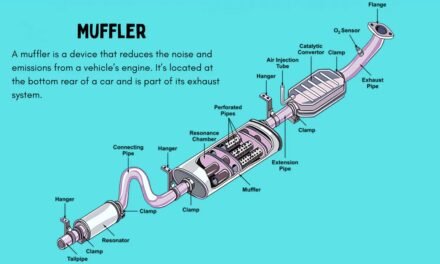
The aftermarket segment in the automotive industry plays a crucial role in the overall automotive ecosystem. It refers to the market for vehicle parts, accessories, and services that occur after the original sale of the vehicle. This includes a wide range of activities, from replacement parts, maintenance, and repairs, to customizations and upgrades. The significance of the automotive aftermarket segment can be understood in several key areas:
1. Economic Contribution
The aftermarket segment is a significant contributor to the global automotive economy. It represents a large and growing market that often exceeds the value of new vehicle sales in some regions. This is due to the ongoing demand for parts, repairs, and maintenance services throughout the lifecycle of a vehicle.
Revenue Generation
- The aftermarket industry generates substantial revenue by providing consumers with the necessary components and services to maintain or enhance their vehicles after purchase. This includes a wide range of products such as replacement parts, accessories, performance parts, tuning kits, and upgrades.
- Services like maintenance, repair, and collision repairs add to the market size, creating a steady income stream for auto repair shops, service centers, and parts suppliers.
Job Creation
- The aftermarket segment supports a significant number of jobs across multiple industries, including parts manufacturing, logistics, retail, distribution, and service sectors. Auto mechanics, technicians, parts distributors, and retail workers are some of the key contributors to this segment.
2. Vehicle Maintenance and Longevity
The aftermarket segment is vital for extending the life and performance of vehicles. As cars age, they require regular repairs, part replacements, and maintenance to ensure their reliability, safety, and functionality. The availability of aftermarket parts and services helps:
Maintenance and Repair
- Replacement Parts: As vehicles experience wear and tear over time, parts like brake pads, tires, batteries, filters, and exhaust systems need to be replaced. The aftermarket provides affordable alternatives for these parts, ensuring vehicles continue to function properly.
- Non-OEM (Original Equipment Manufacturer) Parts: Aftermarket parts often include non-OEM parts, which are typically more affordable than the OEM versions but may offer similar or enhanced performance. This allows consumers to maintain their vehicles cost-effectively while still achieving satisfactory performance.
Upgrades and Modifications
- Many vehicle owners seek aftermarket products to enhance their vehicle’s performance or appearance. The aftermarket offers performance parts (such as turbochargers, suspension kits, and exhaust systems) and custom accessories (like spoilers, rims, lighting, and interior mods) to personalize vehicles.
- Customization and Tuning: The aftermarket plays a key role in the growing demand for vehicle customization, especially for enthusiasts who want to modify their vehicles for aesthetic, performance, or off-road capabilities. This includes anything from adding high-performance engines to customizing the vehicle’s look with specialized body kits, alloy wheels, and interior upgrades.
3. Consumer Empowerment and Choice
The aftermarket segment offers consumers a wide array of choices in terms of parts, services, and upgrades, enabling them to tailor their vehicle ownership experience to meet their specific needs. This has led to increased customer satisfaction and better ownership experiences.
Affordability and Variety
- Cost-Effective Alternatives: Aftermarket parts often offer more affordable alternatives to original parts, allowing consumers to repair or upgrade their vehicles without paying the premium prices associated with OEM parts.
- Product Diversity: Consumers benefit from a broader selection of aftermarket parts and accessories that can meet specific preferences, quality levels, or budget constraints. This includes a variety of brand choices, performance options, and styling preferences that might not be available in the OEM offerings.
DIY Culture
- The growing “Do-It-Yourself” (DIY) culture in the automotive space has been supported by the aftermarket segment. Enthusiasts, hobbyists, and even ordinary car owners increasingly rely on aftermarket parts to repair or modify their vehicles independently, which has increased the demand for instructional materials, online resources, and specialized parts.
4. Innovation and Technological Advancements
The aftermarket industry often serves as a testing ground for new technologies, innovations, and trends in the automotive sector. As vehicle manufacturers implement new technologies, the aftermarket responds by developing compatible parts and accessories that improve vehicle performance, fuel efficiency, and user experience.
Advanced Technology Integration
- Telematics and Infotainment: The aftermarket industry has responded to consumer demand for more advanced in-car technology by offering upgraded infotainment systems, navigation devices, advanced audio systems, and smartphone integration accessories. These enhancements allow vehicle owners to modernize their vehicles’ technology without purchasing a new vehicle.
- Electric Vehicle (EV) Aftermarket: As the adoption of electric vehicles grows, the aftermarket segment is also evolving to meet the needs of EV owners. This includes offering specialized EV charging equipment, battery maintenance services, and other electric-specific parts and accessories.
- Autonomous Vehicle Technologies: With the rise of autonomous driving technology, aftermarket providers are working to develop solutions that can upgrade existing vehicles with features like driver assistance systems, autonomous sensors, and collision avoidance technology.
5. Environmental Impact
The aftermarket industry also plays a role in reducing waste and promoting sustainability by providing options for repair and reuse rather than requiring vehicle owners to purchase entirely new vehicles.
Parts Recycling and Reuse
- Rebuilt and Remanufactured Parts: The aftermarket sector has a strong market for rebuilt and remanufactured parts that can be reused, often providing a more sustainable option for consumers looking to replace components without contributing to landfill waste.
- Reduced Environmental Footprint: By offering options for vehicle repair and refurbishment, the aftermarket reduces the need for scrapping vehicles, which can be resource-intensive and contribute to pollution. Additionally, aftermarket companies may also focus on the production of eco-friendly parts and components that contribute to sustainability efforts.
6. Regulatory and Safety Compliance
The aftermarket sector is also subject to regulations and safety standards that ensure the parts and services provided to consumers are safe and effective. Governments impose standards on aftermarket products to ensure their quality and to prevent subpar products from entering the market, especially in areas like:
Vehicle Safety
- Aftermarket products like airbags, brakes, suspension components, and lighting are subject to safety regulations to ensure they meet the necessary performance standards. This ensures that aftermarket repairs and modifications do not compromise the safety of the vehicle or its passengers.
Emissions Compliance
- In many countries, aftermarket parts must also comply with emissions standards to prevent illegal emissions practices, especially in the case of exhaust systems, catalytic converters, and fuel management systems. The Environmental Protection Agency (EPA) in the U.S. and similar agencies globally regulate the sale of aftermarket components that could impact a vehicle’s emissions performance.
Conclusion
The aftermarket segment is a vital part of the automotive industry, providing a diverse range of products and services that contribute to vehicle maintenance, customization, and performance enhancement. Its significance lies not only in its contribution to the economy through revenue generation and job creation but also in its ability to extend vehicle lifecycles, improve consumer choice, foster innovation, and support sustainability efforts. By offering affordable, customizable, and high-quality solutions, the aftermarket helps keep vehicles running smoothly while providing drivers with the tools to personalize their cars and enhance their driving experience.
Hashtags
#AutomotiveAftermarket #AftermarketParts #VehicleAftermarket #CarPartsAftermarket #AftermarketIndustry #AftermarketSolutions #CarAccessoriesAftermarket #AftermarketServices #CarReplacementParts #AutoRepairParts #VehicleMaintenance #AutoPartsReplacement #CarRepairServices #CarCustomization #VehicleUpgrades #CarInteriorAccessories #AutomotiveAccessories #VehicleCustomParts #AftermarketCustomization #CustomCarParts #PerformanceParts #CarTuning #PerformanceUpgrades #TuningParts #AutoPerformanceParts #AftermarketPerformance #HighPerformanceParts