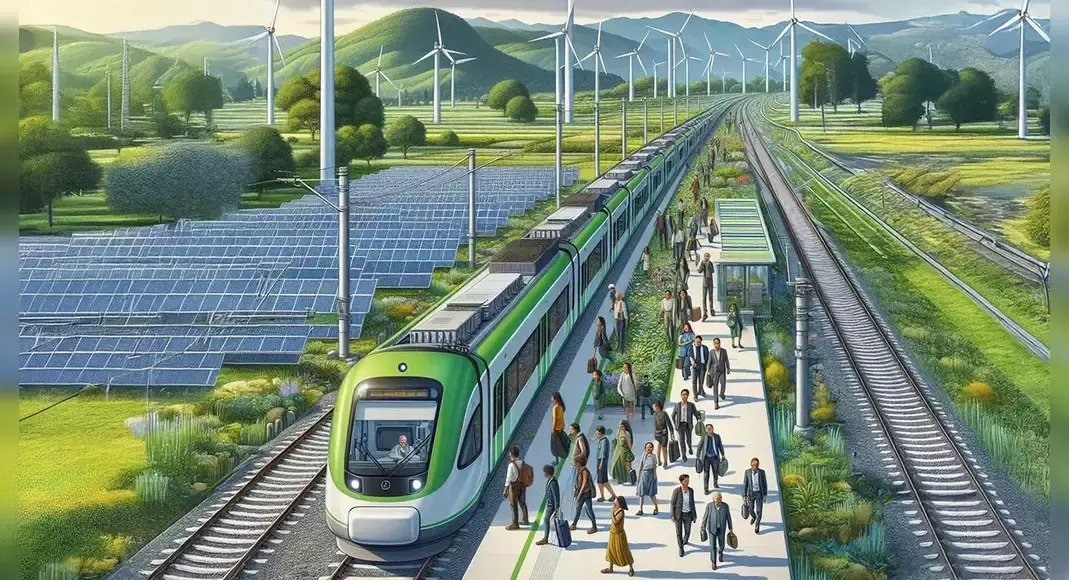
Electric trains and other green technologies significantly reduce the environmental impact of rail transportation in several key ways:
1. Reduction of Greenhouse Gas Emissions:
- Electric Trains: Traditional diesel-powered trains emit significant amounts of greenhouse gases (GHGs), particularly carbon dioxide (CO2). Electric trains, on the other hand, produce zero direct emissions at the point of operation. When powered by renewable energy sources like wind, solar, or hydroelectric power, electric trains have a minimal carbon footprint, contributing to the reduction of global GHG emissions.
- Cleaner Power Generation: Even when electricity for trains comes from fossil fuels, electric trains can still be more efficient than diesel trains, especially if they operate in regions with cleaner energy grids. The decarbonization of power generation (such as the shift to renewable energy) further enhances the sustainability of electric rail transport.
2. Energy Efficiency:
- Regenerative Braking: Electric trains are equipped with regenerative braking systems, which convert kinetic energy into electrical energy when the train slows down. This energy is then fed back into the grid or used by other trains in the system. This reduces energy waste and increases the overall energy efficiency of the rail network.
- Lower Energy Consumption: Electric trains are generally more energy-efficient than diesel trains. Electric motors are typically more efficient than internal combustion engines, leading to lower energy consumption per kilometer traveled. This translates to lower overall fuel use and a reduced environmental impact.
3. Reduced Air Pollution:
- Zero Local Emissions: Electric trains produce zero emissions directly from the train itself, unlike diesel trains, which emit harmful pollutants like nitrogen oxides (NOx), sulfur oxides (SOx), and particulate matter (PM). These pollutants contribute to poor air quality and health problems, especially in urban areas. The widespread adoption of electric trains helps improve air quality by eliminating these emissions from the transportation sector.
- Reduction in Noise Pollution: Electric trains are generally quieter than their diesel counterparts, reducing noise pollution, especially in urban and suburban areas. Less noise pollution contributes to a better quality of life for people living near rail corridors.
4. Support for Renewable Energy Integration:
- Electric Rail Networks and Renewable Energy: As the grid becomes increasingly powered by renewable energy, electric trains are an excellent match for integrating clean energy into transportation. Rail operators can use electricity generated from solar, wind, or hydroelectric sources, reducing the carbon footprint of train services.
- Flexible Power Consumption: Electric rail systems can be integrated with renewable energy storage solutions, such as batteries or pumped-storage hydroelectric plants, to balance supply and demand. This enables a higher proportion of renewable energy in the grid to be used for rail transport, further reducing reliance on fossil fuels.
5. Hydrogen and Battery-Electric Trains:
- Hydrogen-Powered Trains: Hydrogen fuel cells can provide an alternative to diesel engines, emitting only water vapor as a byproduct. Hydrogen trains are particularly useful in regions where full electrification of tracks is not feasible due to geographical constraints. The development of hydrogen-powered trains reduces dependence on fossil fuels and supports the transition to a low-carbon transport system.
- Battery-Electric Trains: For non-electrified rail lines, battery-electric trains offer a sustainable alternative. These trains store energy in onboard batteries and can recharge during stops at stations with charging infrastructure. Battery-electric trains help reduce emissions on non-electrified lines without the need for extensive electrification infrastructure.
6. Sustainable Infrastructure and Track Design:
- Green Stations and Buildings: Many modern rail stations and depots are being built with sustainability in mind, including energy-efficient buildings, solar power generation, rainwater harvesting, and waste reduction systems. Sustainable infrastructure contributes to reducing the overall carbon footprint of rail transportation.
- Recycled Materials: The use of recycled materials for track construction, such as steel and other metals, helps reduce the environmental impact of rail infrastructure. Additionally, using materials with lower environmental impact during construction helps reduce the carbon footprint of the entire rail system.
7. Shift from Road to Rail:
- Modal Shift Benefits: Electrification and green technologies in rail transportation encourage the shift of freight and passengers from road and air to rail, both of which are more energy-efficient. Rail transport, particularly electric trains, is significantly more energy-efficient than road freight and air transport, which are major sources of CO2 emissions.
- Reduced Congestion and Fuel Use: Shifting freight from trucks to rail helps reduce road congestion, lower fuel consumption, and decrease emissions associated with freight transportation. Rail freight, especially electric or hydrogen-powered trains, provides a more sustainable alternative to trucking.
8. Optimization of Operations:
- Smart Rail Systems: The integration of digital technologies, such as advanced signaling systems, IoT sensors, and data analytics, helps optimize train schedules, reduce waiting times, and prevent unnecessary energy consumption. These systems can also monitor track conditions and adjust operations to reduce energy use, ensuring that trains run efficiently and with minimal environmental impact.
- Operational Efficiency: Streamlining operations through better scheduling, maintenance, and route planning ensures that trains run more efficiently, avoiding delays, and reducing overall fuel consumption. In addition, maintaining trains in optimal condition helps reduce unnecessary energy use and emissions.
Conclusion:
Electric trains and other green technologies, such as hydrogen and battery-electric trains, regenerative braking, and sustainable infrastructure, are playing a pivotal role in reducing the environmental impact of rail transportation. These innovations significantly lower greenhouse gas emissions, improve energy efficiency, reduce air and noise pollution, and integrate renewable energy into the transport sector. By continuing to prioritize these sustainable technologies, rail transportation can contribute to a cleaner, more efficient, and environmentally-friendly future for global mobility.
Hashtags
#ElectricTrains #GreenRailTech #SustainableRailTransportation #ZeroEmissionTrains #ElectricRailSystems #CleanEnergyRail #EcoFriendlyRailTransport #SustainableRailways #GreenRailways #EcoRailTech #SustainableRailSystems #CarbonNeutralRailways #GreenTransportSolutions #RenewableEnergyForRail #SolarPoweredTrains #WindEnergyInRail #CleanEnergyRailTransport #RenewablesInRailways #HybridLocomotives #ElectricLocomotives #CleanLocomotiveTech #GreenLocomotiveSystems #ElectricTrainInnovation