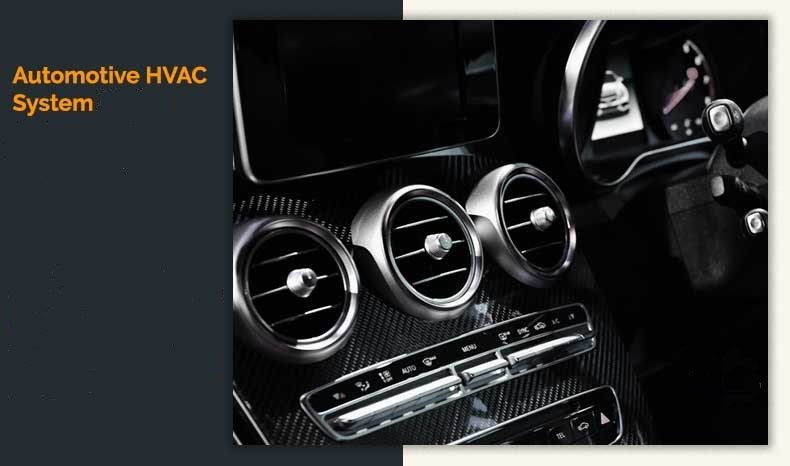
HVAC system failure in vehicles can occur due to a variety of reasons, typically related to issues with the components, refrigerant, or electrical systems. Common causes include:
1. Low Refrigerant Levels:
- Cause: Over time, refrigerant can leak from the system, causing low refrigerant levels. This can result in reduced cooling performance or complete failure of the air conditioning system.
- Fix: The refrigerant leak needs to be identified and repaired, followed by recharging the system with the correct refrigerant.
2. Compressor Failure:
- Cause: The compressor is the heart of the air conditioning system. If it fails, the system will not circulate refrigerant, preventing the AC from working. Failure can be caused by worn-out internal components or lack of lubrication.
- Fix: The compressor will need to be replaced or repaired if damaged.
3. Clogged or Dirty Cabin Air Filter:
- Cause: A clogged cabin air filter restricts airflow through the HVAC system, leading to reduced cooling and heating performance, and can also cause unpleasant odors inside the vehicle.
- Fix: Replacing the cabin air filter with a clean one regularly can prevent this issue.
4. Blower Fan Motor Issues:
- Cause: A faulty blower fan motor can prevent air from circulating through the vents. This could be due to a blown fuse, motor wear, or an electrical connection issue.
- Fix: Inspecting the motor, replacing damaged parts, or ensuring proper electrical connections can resolve this issue.
5. Faulty Thermostat:
- Cause: A malfunctioning thermostat can cause incorrect temperature regulation, leading to the HVAC system blowing either hot or cold air when it shouldn’t, or not adjusting to the desired setting.
- Fix: Replacing or repairing the faulty thermostat will restore proper control of the cabin temperature.
6. Leaky or Broken Heater Core:
- Cause: A damaged heater core can result in poor heating performance and may cause coolant to leak into the vehicle’s cabin, leading to a wet carpet or fogged windows.
- Fix: The heater core must be replaced if it is leaking or malfunctioning.
7. Evaporator Issues:
- Cause: The evaporator inside the cabin cools the air. If it becomes clogged with debris or has a refrigerant leak, the AC system won’t be able to cool the air effectively.
- Fix: Cleaning the evaporator or replacing it if damaged will restore cooling performance.
8. Electrical Problems:
- Cause: Many HVAC system components, including fans, compressors, and control switches, rely on electrical connections. A blown fuse, bad relay, or faulty wiring can prevent the system from working.
- Fix: Inspecting the electrical connections and replacing faulty components like fuses, relays, or wiring can resolve electrical issues.
9. Faulty AC Pressure Switch:
- Cause: The pressure switch monitors the pressure of the refrigerant in the system. If it detects abnormal pressure, it may shut down the compressor to prevent damage. A malfunctioning switch can cause the AC to stop working even when there’s no actual issue.
- Fix: Replacing the faulty pressure switch can restore normal AC function.
10. Deteriorating Seals and O-Rings:
- Cause: Seals and O-rings help maintain proper refrigerant pressure. Over time, they can degrade, leading to refrigerant leaks and system inefficiency.
- Fix: Replacing the seals or O-rings as part of regular maintenance can prevent refrigerant leaks.
11. External Blockages:
- Cause: Leaves, debris, or dirt blocking the condenser or radiator can reduce the HVAC system’s efficiency, preventing proper cooling and airflow.
- Fix: Regularly cleaning the condenser and other external components can prevent blockages.
12. Condenser Damage:
- Cause: The condenser can become damaged by debris or physical impact, causing the system to lose refrigerant or reduce cooling efficiency.
- Fix: If damaged, the condenser will need to be replaced.
13. Climate Control Module Failure:
- Cause: The climate control module regulates the operation of the HVAC system. If the module fails, it may cause the system to malfunction, leading to inconsistent or incorrect temperatures.
- Fix: Repairing or replacing the control module is necessary to restore functionality.
14. Worn Out Belts or Pulley Issues:
- Cause: The compressor is typically driven by a belt connected to the engine. If the belt is worn, loose, or damaged, the compressor may not function properly.
- Fix: Replacing the damaged belt or adjusting the tension on the pulley can fix this issue.
15. Overheating:
- Cause: If the engine overheats, it can cause issues with the HVAC system, particularly with the heater core or refrigerant levels.
- Fix: Ensuring the engine cooling system is in good condition (radiator, coolant levels, etc.) can prevent HVAC issues due to overheating.
Preventative Maintenance Tips:
- Regular inspections: Check refrigerant levels, inspect hoses and components for leaks, and replace the cabin air filter periodically.
- Keep the system clean: Ensure the condenser, evaporator, and blower motor are free of debris.
- Monitor cooling and heating performance: If you notice reduced performance, get the system checked early to avoid more severe problems.
By addressing these common issues early, you can extend the lifespan of your vehicle’s HVAC system and maintain a comfortable cabin environment.