The lifespan and performance of an automotive battery are influenced by a variety of factors, ranging from environmental conditions to how the vehicle is used and maintained. Below are the key factors that impact the lifespan and performance of an automotive battery:
1. Temperature
- Extreme Heat: High temperatures can cause the battery’s electrolyte to evaporate, leading to a faster breakdown of the internal components. Heat also accelerates the chemical reactions inside the battery, which can shorten its lifespan.
- Extreme Cold: Cold temperatures slow down the chemical reactions in the battery, making it harder to deliver power, particularly during starting. Cold weather can also cause the battery to freeze, damaging its internal structure and shortening its lifespan.
- Optimal Range: Automotive batteries generally perform best in temperatures between 50°F to 77°F (10°C to 25°C). Exposure to consistent extreme heat or cold can significantly reduce a battery’s performance.
2. State of Charge
- Overcharging: Charging the battery beyond its capacity can lead to excessive heat buildup, which causes damage to the internal structure and reduces battery life. This can happen if the charging system malfunctions or if the vehicle is frequently overcharged.
- Deep Discharge: Regularly discharging a battery too much (i.e., draining it completely) can also shorten its lifespan. Batteries prefer to be kept at a moderate state of charge (not too low or too high).
- Battery Management Systems (BMS): In electric vehicles (EVs), a Battery Management System (BMS) is used to optimize charging and prevent overcharging or deep discharge.
3. Battery Type
- Lead-Acid Batteries: Lead-acid batteries are more prone to damage from deep discharges and extreme temperatures compared to newer battery types like lithium-ion batteries. Their lifespan typically ranges from 3 to 5 years.
- Lithium-Ion Batteries: Lithium-ion batteries generally have a longer lifespan and are less susceptible to performance degradation under moderate usage. They can last 8 to 15 years with proper care, especially in electric vehicles.
- Other Battery Types: Different battery technologies (e.g., nickel-metal hydride, AGM) can have varying lifespans and performance characteristics, depending on the vehicle’s requirements and the battery’s design.
4. Driving Habits
- Short Trips and Frequent Starting: Vehicles that are driven primarily for short distances with frequent stops (such as city driving) may place a greater strain on the battery, as it doesn’t get enough time to recharge fully during driving.
- Heavy Use of Electrical Components: Using multiple electrical systems (e.g., lights, air conditioning, infotainment) without the engine running can deplete the battery, especially in hybrid or electric vehicles.
- Aggressive Driving: Rapid acceleration and high-speed driving can increase the demand on the battery and lead to more wear and tear.
5. Maintenance and Care
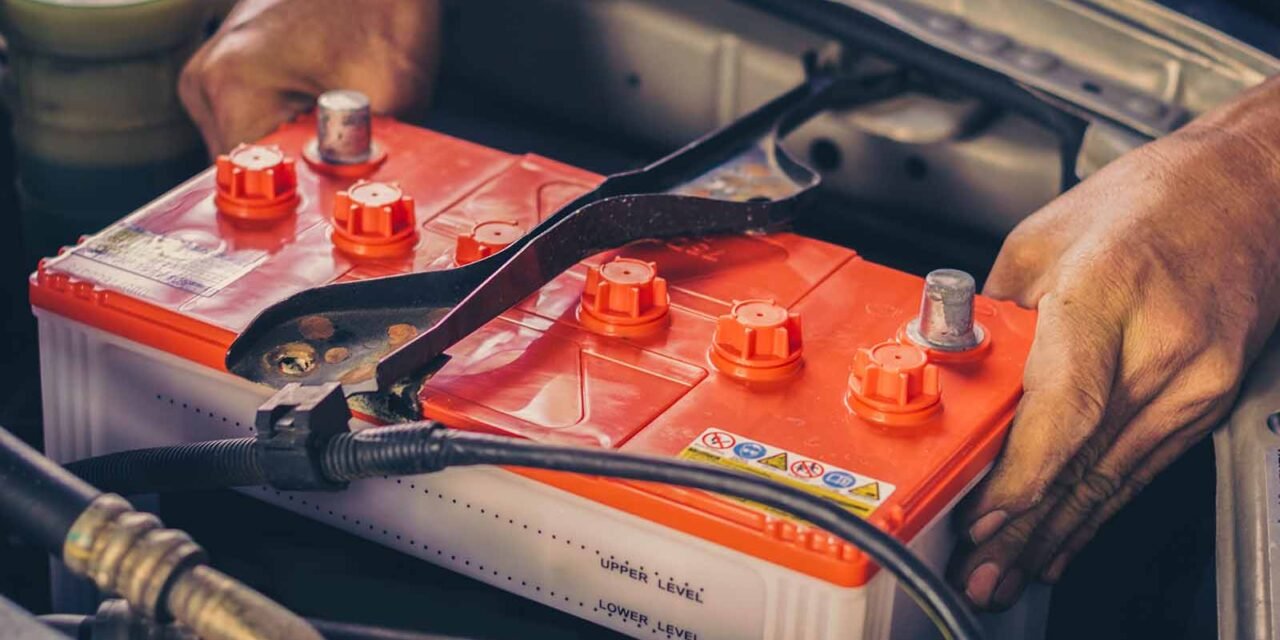
- Regular Maintenance: Keeping the battery clean, checking for corrosion, and ensuring that terminals are tight and free of debris can prolong battery life. Corrosion on the terminals can cause poor electrical connections and impact performance.
- Proper Charging: Ensuring that the vehicle is charged correctly (e.g., using the correct charging equipment for EVs) is crucial to maintaining battery health. In EVs, using a fast charger too frequently can also reduce battery life over time.
- Battery Replacement: Over time, batteries lose their ability to hold a charge, requiring eventual replacement. Regular checks on the battery’s performance (e.g., with diagnostic tools) can help predict when it needs to be replaced.
6. Vehicle Electrical System
- Alternator Performance: If the alternator or charging system is not functioning properly, it may not charge the battery effectively, leading to frequent discharges and shortened battery life.
- Parasitic Drain: Electrical systems in the vehicle (e.g., alarms, infotainment, sensors) that continue to draw power when the vehicle is off can slowly drain the battery. This is especially problematic if the vehicle is not driven regularly.
7. Vehicle Usage and Storage
- Infrequent Use: If a vehicle is left unused for long periods, the battery can discharge and degrade. Batteries in vehicles that are stored for extended periods should be charged periodically, or a trickle charger can be used to maintain the charge.
- Long-Term Storage: Storing a vehicle in extreme temperatures or without maintaining the battery can cause irreversible damage. It is recommended to disconnect the battery if the vehicle will be stored for more than a few weeks.
8. Quality of the Battery
- Manufacturing Quality: The quality of the materials and manufacturing process used in the production of the battery plays a critical role in its lifespan. High-quality batteries tend to last longer, perform better, and be more resilient to adverse conditions.
- Brand and Model: Some brands and models of automotive batteries have a better reputation for longevity and reliability, based on the materials used, design, and testing.
9. Charging and Discharging Cycles
- Cycle Life: Every battery has a limited number of charge and discharge cycles before its capacity begins to degrade. For example, lithium-ion batteries can handle more cycles than lead-acid batteries before showing signs of significant degradation.
- Partial Charges: Frequent partial charges (recharging before the battery is fully discharged) are less stressful on the battery than deep discharges, and can extend the lifespan of the battery, especially in electric vehicles.
10. Vibration and Shocks
- Vibrations: Excessive vibrations from the engine, suspension, or road can negatively affect the battery’s internal components. This is especially a concern for lead-acid batteries, which have liquid electrolytes that can move around and lead to internal damage.
- Impact on Battery Cases: Damage to the battery casing from external impacts or accidents can compromise the battery and lead to leakage, short circuits, or complete failure.
Conclusion:
The lifespan and performance of an automotive battery are largely influenced by temperature, state of charge, battery type, and maintenance practices. For optimal performance, it’s essential to maintain the battery within its recommended temperature range, avoid deep discharges, and ensure regular maintenance. Additionally, driving habits, vehicle electrical systems, and quality of the battery all play critical roles in determining how long the battery will last and how efficiently it will function over time. Regular monitoring of the battery’s health and charging system can help extend its lifespan and maintain optimal performance.
Hashtags
#BatteryLifespan #BatteryAge #BatteryWearAndTear #BatteryLifeFactors #AutomotiveBatteryLongevity #BatteryCycleLife #TemperatureEffectOnBatteries #BatteryPerformanceInHeat #ColdWeatherBatteryLife #HotWeatherBatteryPerformance #ExtremeTemperatureBatteries #DrivingHabitsImpactBattery #FrequentShortTrips #DeepDischargeBatteries #BatteryUnderUse #VehicleBatteryChargingPattern #BatteryMaintenance #BatteryCheckup #BatteryCleaning #ProperBatteryCare #BatteryChargeMaintaining #ChargingHabits #OverchargingBatteries #UnderchargingBatteries #VoltageEffectOnBattery #OverchargingImpact #BatteryQuality #LithiumIonBatteryLife #LeadAcidBatteryLife #HighQualityBatteries #BatteryBrandImpact #BatteryCorrosion #CorrodedBatteryTerminals #CleanBatteryConnections #BatteryTerminalCare #ElectricalSystemImpact