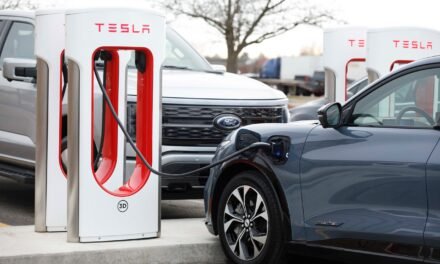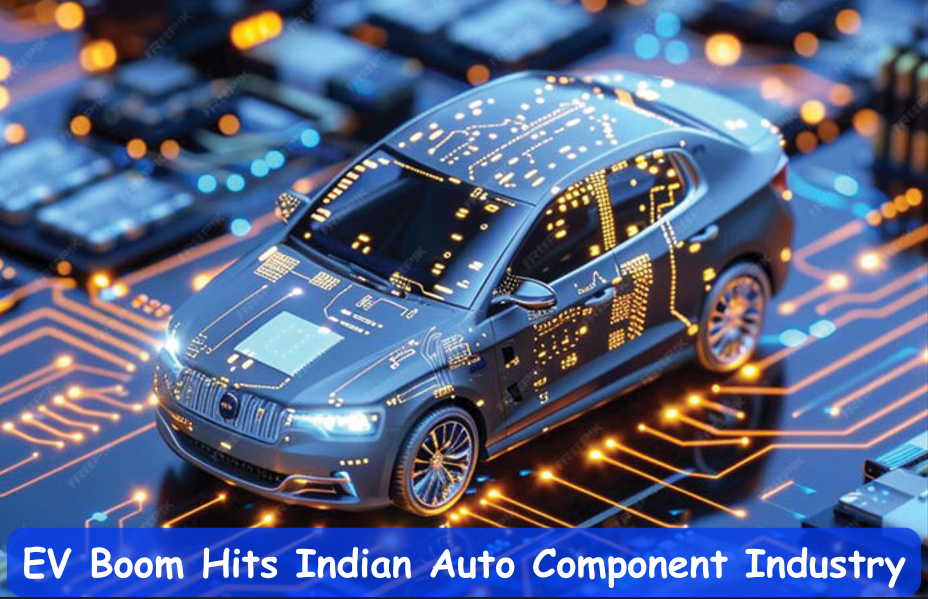
EV Boom Hits Indian Auto Component Industry, marking a transformative shift in India’s automotive sector. With the rising global demand for electric vehicles (EVs), the Indian auto component industry is undergoing a significant transformation to align with the growing needs of electric mobility. As the EV market gains traction, traditional automotive components such as internal combustion engine (ICE) parts, including gearboxes, exhaust systems, and fuel injectors, are experiencing a decline in demand. Instead, the focus is now shifting to specialized components designed specifically for EVs, such as batteries, electric motors, charging infrastructure, and power electronics.
The shift towards EVs presents both challenges and opportunities for India’s automotive component suppliers. On the one hand, the declining demand for ICE components requires manufacturers to pivot and invest in new technologies. On the other hand, the expanding EV market offers substantial growth potential. Key components in electric drivetrains, battery management systems, and charging solutions are in high demand, prompting Indian manufacturers to innovate and build new capabilities in these areas. Research and development (R&D) is becoming central to India’s strategy for capturing a larger share of the global EV component supply chain.
The Indian government’s strong push for electric mobility, through policy incentives like subsidies and tax breaks under the FAME II scheme, is accelerating the shift toward EV production. This has encouraged both domestic manufacturers and global suppliers to expand operations in India, especially in the fields of battery production, electric drivetrains, and EV charging infrastructure. Local manufacturers are entering into strategic partnerships with international players to enhance their production capabilities and gain expertise in cutting-edge EV technologies. As a result, India is increasingly becoming a hub for EV component manufacturing, attracting investment from both domestic and global players looking to capitalize on the growing EV market.
A critical area of growth for the Indian auto component sector is the lithium-ion battery market, which plays a central role in the transition to electric vehicles. India is focusing on domestic battery manufacturing to reduce reliance on imports, particularly from China. Key players such as Tata Group, Reliance Industries, and Amara Raja are investing heavily in the development of lithium-ion batteries. This shift not only aims to boost India’s self-reliance in battery production but also positions the country as a key player in the global EV supply chain.
Another aspect driving change within India’s automotive component industry is the increased demand for advanced power electronics. Inverters, chargers, controllers, and battery management systems are crucial to the performance and efficiency of electric vehicles. As India ramps up its focus on EV manufacturing, demand for these components is growing. To meet this, Indian companies are leveraging smart manufacturing technologies like automation, IoT, and artificial intelligence (AI) to improve efficiency and reduce costs. This technological shift is essential in ensuring that Indian manufacturers remain competitive in the global automotive market.
As the automotive sector transitions toward sustainable mobility, India’s component manufacturers are also focusing on environmental sustainability. The emphasis on green manufacturing practices is helping manufacturers meet global standards for eco-friendly products. Companies are integrating recycled materials, reducing carbon emissions in their production processes, and prioritizing energy-efficient production methods. This not only aligns with global sustainability goals but also enhances India’s competitiveness in the global EV market.
The EV boom presents a transformative opportunity for India’s auto component industry. While challenges exist in transitioning from traditional vehicle parts to EV-specific components, the demand for EV parts such as batteries, electric motors, and power electronics is creating a wave of growth. With strong government incentives, strategic partnerships, and a focus on innovation and sustainability, India is well-positioned to become a key player in the global EV supply chain and electric mobility revolution.