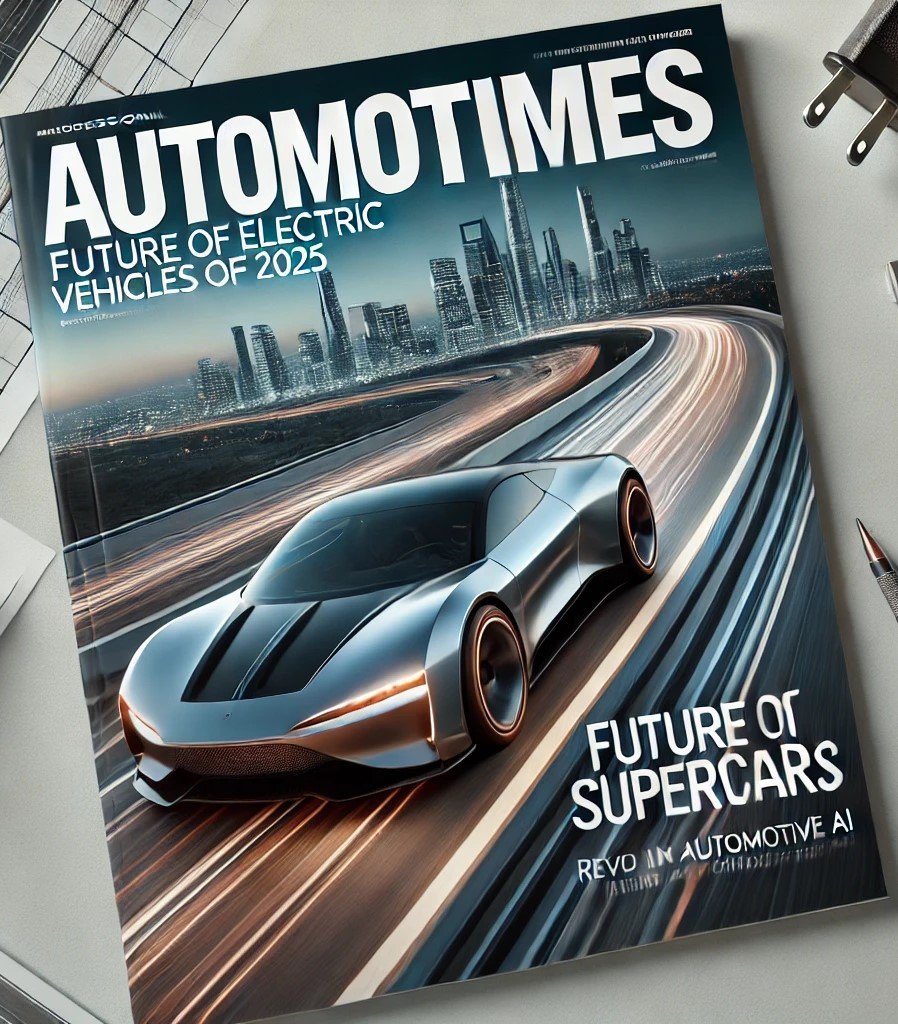
LED (Light Emitting Diode) lights are becoming an integral part of advanced vehicle designs, playing both aesthetic and functional roles. Their integration offers numerous benefits, including improved energy efficiency, enhanced visibility, and unique design flexibility. Here’s a breakdown of how LED lights are being used in modern vehicles:
1. Aesthetic Integration of LED Lights
- Exterior Lighting:
- Daytime Running Lights (DRLs): LED lights are commonly used for DRLs, which are bright, energy-efficient lights that help increase vehicle visibility during the day. Their distinctive design often contributes to a car’s signature look and branding. Many high-end vehicles feature custom LED DRLs that help define the vehicle’s unique appearance.
- Headlights: LED headlights provide brighter, more focused light with a sleek and modern look. They can be shaped into more complex patterns, giving vehicles a futuristic and premium aesthetic. These headlights also allow for smaller, more compact designs, enabling more creative headlight shapes.
- Tail Lights and Brake Lights: LED technology is widely used in tail lights and brake lights for better visibility, durability, and aesthetic appeal. The design flexibility of LEDs allows for thin, stylized tail light signatures that improve the car’s overall visual appeal, especially in modern, luxury, and sports cars.
- Turn Signals: LED turn signals are often designed to light up sequentially (from one end to the other), which offers a modern, dynamic visual effect. This sequential lighting improves clarity in signaling turns and adds to the vehicle’s sophisticated look.
- Ambient Lighting: Inside the cabin, LED lights are used for ambient lighting that enhances the mood and comfort for passengers. They can be placed around the dashboard, door panels, and footwells to create customizable lighting effects in various colors, further enhancing the luxury feel.
2. Functional Integration of LED Lights
- Energy Efficiency:
- LED lights are highly energy-efficient compared to traditional halogen or incandescent lights. They consume less power while delivering brighter, more focused light, which is particularly important in electric vehicles (EVs) where conserving battery power is crucial.
- LEDs also have a longer lifespan, which reduces the need for frequent replacements and lowers maintenance costs.
- Improved Visibility:
- LED lights provide greater brightness and better clarity compared to traditional lighting systems. The whiter light produced by LEDs improves road visibility, especially at night or in low-light conditions.
- LED headlights are designed to provide a more precise, focused beam that can be directed to illuminate the road ahead more effectively, reducing glare for other drivers and improving the safety of the vehicle.
- Adaptive Lighting:
- Many modern vehicles with LED headlights are also equipped with adaptive lighting systems, where the intensity and direction of the light beam can adjust based on the car’s speed, steering angle, and road conditions. This ensures that the road is optimally illuminated, providing better visibility around curves and turns.
- Indicator Lights:
- LED indicator lights are often integrated into the side mirrors or rearview cameras. Their higher visibility and quicker response time (when turned on/off) improve communication with other drivers, reducing the chances of collisions in traffic.
3. Flexibility and Design Innovation
- Shape and Customization:
- LED technology allows for more flexibility in design, enabling the creation of intricate, stylized light patterns and shapes. These designs are limited only by creativity, offering automakers the opportunity to create unique lighting signatures that differentiate their vehicles in the market.
- With the ability to create thin, compact light units, designers can integrate lighting seamlessly into the vehicle’s overall design. This makes it possible to incorporate headlights, tail lights, and decorative elements into smaller, sleeker, and more dynamic vehicle shapes.
- Interactive Features:
- Some vehicles feature interactive LED lighting, where the lights respond to the presence of nearby objects or changes in driving behavior. For instance, a car may have LED strips that glow brighter when the car is in motion or light up in a pattern when unlocked for a personalized experience.
- Pedestrian Detection and Safety:
- Some advanced vehicles incorporate LED lights with pedestrian detection systems, where the vehicle’s headlights or exterior lights can flash in warning patterns when an object or pedestrian is detected nearby, enhancing safety.
4. Environmental Impact
- Lower Environmental Footprint:
- Given that LEDs use significantly less energy and last longer, they contribute to a reduced environmental impact. This is especially significant in the context of the automotive industry, which is increasingly focused on reducing carbon emissions and energy consumption.
5. Integration in Future Vehicle Technology
- Autonomous Vehicles:
- LED lights are critical for the development of autonomous vehicles. They can be programmed to work in combination with sensor technologies, providing better communication between the vehicle and its surroundings. For example, an autonomous vehicle can use LED lights to signal its intentions to pedestrians and other road users.
- Interactive Lighting for Electric Vehicles:
- Many electric vehicles (EVs) use LED lighting to reflect the car’s status—such as charging status, power mode, or even the level of the battery. These lights can change colors or intensity to give real-time information to the driver or passersby.
Conclusion
LED lights have revolutionized vehicle design, combining aesthetic appeal with functional benefits. Whether it’s for headlights, tail lights, ambient lighting, or innovative design features, LED lighting enhances both the look and performance of modern vehicles. Its energy efficiency, longer lifespan, and design flexibility are making it a critical component in the development of future vehicles, particularly in electric and autonomous cars, where innovation and sustainability are key priorities.
Hashtags
#LEDVehicleLights #LEDCarLights #LEDHeadlights #LEDCarDesign #SmartLightingForCars #CarLightingInnovation #CarLightingAesthetics #SleekCarLightingDesign #StylishCarLights #LEDDesignForCars #ModernCarLighting #VehicleLightCustomization #EfficientCarLighting #LEDLightingEfficiency #EnergyEfficientCarLights #LEDHeadlightTechnology #LongLifeCarLighting #BrightCarLights #AdaptiveLEDLighting #DynamicCarLighting #MatrixLEDHeadlights #SmartHeadlights #CarLightingTechnology #AutoLEDSystems #LEDSafetyLighting #BetterCarVisibility #EnhancedNightDriving #LEDForDrivingSafety #BrightLEDHeadlights #LEDVisibilityOnTheRoad #InteriorLEDLighting #ExteriorCarLighting