The transportation sector is one of the largest contributors to global carbon emissions, with automobiles playing a significant role due to their reliance on internal combustion engines (ICE) powered by fossil fuels. However, there are several strategies and technologies that can help the sector reduce its carbon footprint, particularly through the use of automobiles. Below are some key approaches:
1. Transition to Electric Vehicles (EVs)
- Zero Emissions: Electric vehicles (EVs) produce no tailpipe emissions, helping to significantly reduce the carbon footprint compared to traditional gasoline or diesel-powered vehicles.
- Renewable Energy Integration: When EVs are charged using renewable energy sources like wind, solar, or hydroelectric power, their overall carbon emissions are further reduced, contributing to a greener transportation system.
- Battery Efficiency Improvements: Advances in battery technology, such as solid-state batteries and energy-dense lithium-ion batteries, are improving the efficiency and range of EVs, making them a more viable option for a wider range of consumers.
2. Use of Hybrid and Plug-In Hybrid Vehicles
- Lower Carbon Emissions: Hybrid vehicles (HEVs) and plug-in hybrid electric vehicles (PHEVs) combine traditional combustion engines with electric motors, reducing overall fuel consumption and emissions. HEVs do not require charging and rely on regenerative braking, while PHEVs can be charged and run on electricity for shorter trips, further reducing the use of gasoline.
- Versatility: PHEVs can provide the benefits of electric driving without the range anxiety associated with fully electric vehicles, making them a good transition option for individuals and businesses looking to reduce emissions while maintaining the convenience of a traditional engine.
3. Adoption of Alternative Fuels
- Biofuels: Biofuels, such as ethanol and biodiesel, are renewable alternatives to gasoline and diesel that can help reduce greenhouse gas emissions. They are produced from organic materials like plants, waste oils, or algae and can be blended with traditional fuels to lower carbon emissions.
- Hydrogen Fuel Cells: Hydrogen-powered vehicles emit only water vapor as a byproduct and can provide an alternative to conventional gasoline and diesel vehicles, especially for heavy-duty trucks and long-distance transportation. Hydrogen fuel cells are still in development, but they hold promise as a low-emission option for the future.
- Natural Gas Vehicles (NGVs): Compressed natural gas (CNG) and liquefied natural gas (LNG) vehicles produce fewer carbon emissions compared to conventional gasoline and diesel vehicles. While natural gas is still a fossil fuel, it emits less CO2 and other pollutants, offering a cleaner alternative for certain applications, such as public transport and freight.
4. Improving Fuel Efficiency in Internal Combustion Engine (ICE) Vehicles
- Advanced Engine Technologies: Innovations such as turbocharging, direct fuel injection, and variable valve timing have significantly improved the fuel efficiency of ICE vehicles, leading to reduced emissions per mile traveled.
- Lightweight Materials: The use of lightweight materials, such as aluminum and carbon fiber, in vehicle manufacturing reduces vehicle weight, improving fuel efficiency and lowering emissions. Lighter vehicles require less energy to move, which reduces fuel consumption.
- Aerodynamic Design: Streamlined designs that reduce drag help vehicles move more efficiently, further increasing fuel economy and reducing emissions. This includes features like rear spoilers, smooth underbodies, and improved tire designs.
5. Development of Efficient Public and Shared Transportation
- Public Transit Systems: A shift towards electric buses, trams, and trains can help reduce the carbon footprint of public transportation. These electric modes of transport, when powered by renewable energy, offer a significant reduction in emissions compared to traditional diesel-powered public transit.
- Carpooling and Ride-Sharing: Encouraging shared mobility through carpooling and ride-sharing platforms reduces the number of individual vehicles on the road, which in turn lowers overall emissions. Fewer vehicles mean less fuel consumption, less congestion, and fewer emissions per passenger transported.
- Autonomous Vehicles (AVs): While still in the developmental stage, autonomous vehicles could lead to more efficient vehicle usage, reducing traffic congestion, optimizing routes, and improving overall energy efficiency, which would help reduce emissions in the long term.
6. Efficient Freight and Commercial Transportation
- Electric Trucks: The adoption of electric trucks in logistics and freight transportation can significantly reduce emissions in this sector, which is traditionally one of the highest carbon emitters. Companies like Tesla (with their Semi truck) and other manufacturers are working on electric heavy-duty vehicles.
- Alternative Fuels for Freight: Hydrogen and natural gas are promising alternatives for heavy-duty trucks, trains, and ships, as they can offer the same range and load-carrying capabilities as traditional fuels with lower emissions.
- Optimized Freight Routing: Advanced fleet management systems, which include real-time tracking, route optimization, and load optimization, can help reduce the number of miles driven, improve fuel efficiency, and decrease emissions in the logistics sector.
7. Smart Mobility and Infrastructure
- Vehicle-to-Grid (V2G) Technology: Electric vehicles can be integrated into smart grids to help balance electricity demand and supply. EVs can store excess energy when demand is low and release it back to the grid when needed, helping reduce reliance on fossil fuels for electricity generation.
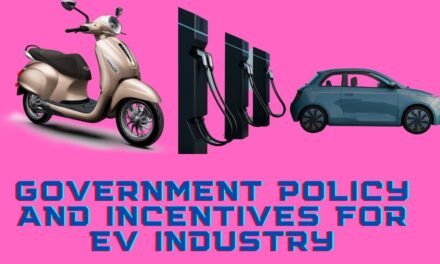
- Charging Infrastructure Expansion: A more widespread and accessible EV charging network encourages the adoption of electric vehicles by making it easier for consumers to charge their vehicles. Fast-charging stations and wireless charging technology are innovations that further improve the convenience of EVs.
- Urban Planning: Cities that invest in sustainable transportation infrastructure, such as bike lanes, pedestrian walkways, and low-emission zones, encourage the use of greener modes of transport, including EVs, bicycles, and public transportation.
8. Promoting Sustainable Mobility Behavior
- Behavioral Changes: Encouraging consumers to adopt eco-friendly driving practices, such as reducing idling time, avoiding rapid acceleration, and driving at steady speeds, can help reduce fuel consumption and emissions.
- Electrification of Last-Mile Delivery: Electric bikes, electric cargo vans, and drones are being used in urban areas for last-mile delivery, helping to reduce the emissions associated with traditional delivery vehicles.
9. Carbon Offsetting and Carbon Capture Technologies
- Carbon Offsetting Programs: Some transportation companies and individuals can purchase carbon offsets to compensate for their emissions by funding projects that reduce or remove carbon from the atmosphere, such as tree planting and renewable energy projects.
- Carbon Capture in Transportation: Research into carbon capture and storage (CCS) technologies could help offset emissions from traditional vehicles by capturing CO2 from exhaust gases and storing it underground.
Conclusion
Reducing the carbon footprint of the transportation sector with the help of automobiles requires a multi-faceted approach. The transition to electric vehicles, the use of alternative fuels, improving fuel efficiency, and adopting smart mobility technologies are all essential components of a sustainable transportation system. By integrating cleaner technologies, improving infrastructure, and encouraging behavioral changes, the transportation sector can significantly reduce its carbon emissions and contribute to the fight against climate change.
Hashtags
#GreenTransportation #LowCarbonMobility #SustainableTransport #CarbonNeutralTransport #ReducingTransportEmissions #EcoFriendlyTransport #DecarbonizingTransportation #ElectricVehiclesForSustainability #EVsReduceCarbon #ZeroEmissionsEVs #ElectrifyingTransport #EVsAndGreenMobility #SustainableEVs #EVsForClimateAction #FuelEfficientCars #LowEmissionsVehicles #EfficientAutomobiles #EcoDriving #FuelSavingsAndEmissionsReduction #GreenVehicleTechnology #CleanerVehicleOptions #HydrogenFuelVehicles #AlternativeFuelTransportation #GreenFuelVehicles #BiofuelCars #SustainableFuelSolutions #HybridVehiclesForTheFuture #HybridMobility