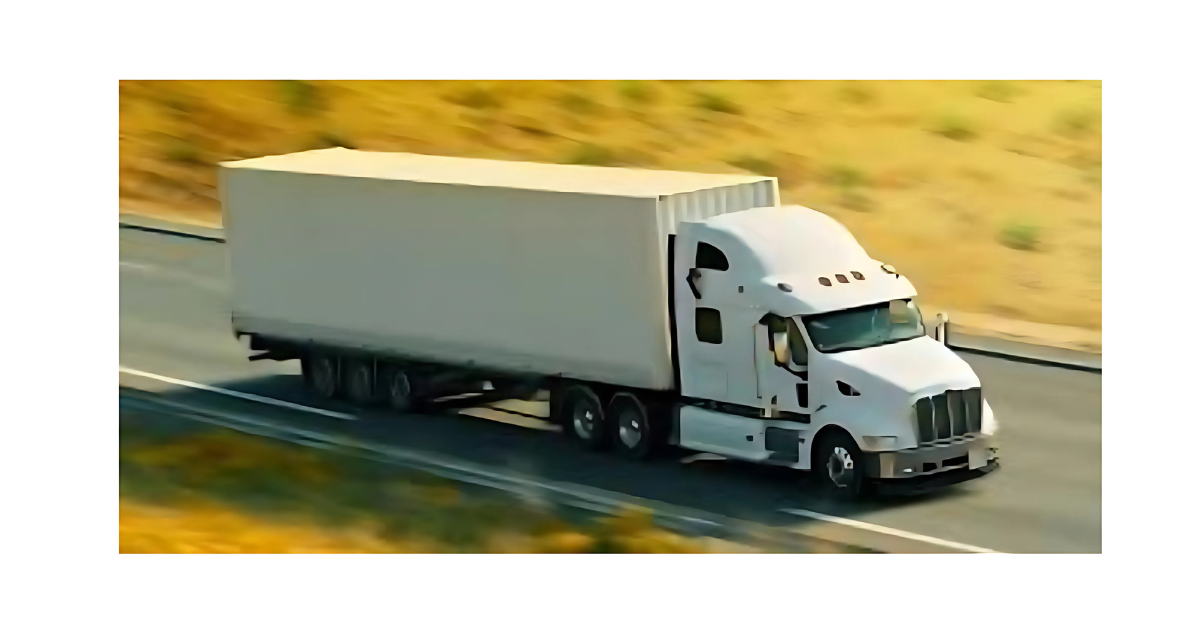
Long-haul transportation using traditional automobiles, particularly heavy-duty trucks, faces several challenges that impact the efficiency, safety, and sustainability of operations. Here are the key challenges:
- Fuel Efficiency and High Operating Costs:
Traditional long-haul trucks rely on diesel engines, which consume large amounts of fuel. This leads to high fuel costs, especially over long distances. Fuel inefficiency also contributes to increased operating costs and affects the overall profitability of transportation companies. - Environmental Impact:
Diesel-powered trucks emit harmful greenhouse gases (GHGs), including carbon dioxide (CO2), nitrogen oxides (NOx), and particulate matter. These emissions contribute to air pollution and climate change, making long-haul transportation less environmentally sustainable. Efforts to transition to greener fuel alternatives, like electric or hydrogen-powered trucks, face challenges in terms of infrastructure and technology development.
- Driver Fatigue and Safety:
Long-haul drivers often face fatigue due to long working hours, which can impair their reaction time and decision-making abilities, increasing the risk of accidents. Driver fatigue is a major safety concern in the transportation industry, and it requires strict regulations and effective solutions, such as driver monitoring systems or automated driving technology, to ensure safety. - Traffic Congestion and Delays:
Long-haul transportation often involves traveling on highways and urban roads, where traffic congestion can cause significant delays. These delays impact delivery schedules, increase fuel consumption, and add stress to drivers. Unpredictable road conditions, construction zones, and accidents further exacerbate delays. - Maintenance and Downtime:
Heavy-duty trucks require regular maintenance to stay in optimal working condition. Long-haul transportation often puts these vehicles under considerable stress, leading to wear and tear on components like engines, tires, and brakes. Unexpected breakdowns and maintenance needs can lead to downtime, causing delays and additional costs. - Regulatory Compliance:
Long-haul truckers must adhere to various regulations, such as hours-of-service (HOS) rules that limit the number of hours a driver can operate a vehicle without rest. Additionally, trucks must meet emissions standards, weight restrictions, and safety inspections, which can vary by country or region. Navigating these regulations can be complex and may require extra time and resources. - Route Optimization and Fuel Consumption:
Choosing the most efficient routes for long-haul journeys is crucial to minimize fuel consumption and reduce transportation costs. However, factors like road conditions, weather, and road closures can make route planning challenging. Without proper optimization, unnecessary detours and inefficiencies can arise, increasing costs and travel times. - Infrastructure Limitations:
Traditional long-haul trucks face limitations in terms of infrastructure, including inadequate truck stops, rest areas, and charging/refueling stations (for alternative fuels). In remote areas, there may also be a lack of access to necessary services such as repair shops, making long-haul transportation more challenging. - Impact of Weather and Environmental Conditions:
Long-haul transportation is susceptible to adverse weather conditions such as snow, rain, fog, and extreme temperatures. These conditions can reduce visibility, road traction, and overall driving safety, leading to delays, accidents, or damage to goods in transit. - Driver Shortages:
The transportation industry faces a significant shortage of qualified truck drivers, particularly for long-haul routes. This shortage is exacerbated by aging drivers, long working hours, and low wages. The lack of drivers can lead to delays, reduced service availability, and higher labor costs.
In summary, long-haul transportation using traditional automobiles faces challenges related to fuel efficiency, environmental impact, safety, driver well-being, regulatory compliance, and infrastructure. Overcoming these challenges requires technological innovation, better route optimization, improved driver support systems, and the development of alternative energy solutions.