Electric vehicles (EVs) contribute to reducing carbon emissions in several key ways, both directly and indirectly. As the automotive industry transitions from traditional internal combustion engine (ICE) vehicles to EVs, their role in mitigating climate change becomes increasingly significant. Below are the main ways in which EVs help reduce carbon emissions:
1. Zero Tailpipe Emissions
- Direct Reduction of Emissions: Unlike internal combustion engine (ICE) vehicles, which emit carbon dioxide (CO2), nitrogen oxides (NOx), and particulate matter (PM) through the burning of gasoline or diesel, EVs produce zero tailpipe emissions. This means that, when driving, EVs do not release any pollutants into the atmosphere, directly contributing to cleaner air and reduced greenhouse gas emissions in urban areas and throughout the environment.
- Impact: This is particularly beneficial in cities, where vehicle emissions are a significant contributor to poor air quality and urban pollution. By reducing tailpipe emissions, EVs help mitigate the harmful effects of air pollution, which is linked to respiratory diseases and environmental degradation.
2. Lower Carbon Footprint in Operation
- Efficiency of Electric Motors: EVs are generally more energy-efficient than ICE vehicles. While a traditional gasoline or diesel vehicle converts only about 20-30% of the energy from fuel into useful motion, electric motors in EVs can convert more than 85-90% of the electrical energy from the battery into vehicle movement. This higher efficiency results in less energy being wasted during operation and consequently lower carbon emissions per mile driven.
- Reduced Operating Costs: In addition to being more efficient, EVs typically consume less energy overall compared to ICE vehicles. Charging an EV is often cheaper than filling up a gas tank, and the carbon emissions associated with electricity production are generally lower than those from gasoline or diesel.
3. Reduced Emissions from the Electricity Grid (Indirect Impact)
- Cleaner Energy Mix: The overall carbon footprint of an EV depends significantly on the energy sources used to charge it. In regions where the electricity grid is powered by a significant share of renewable energy (such as solar, wind, or hydroelectric power), the carbon emissions associated with charging EVs are much lower.
- Grid Decarbonization: As the grid becomes cleaner with more renewable energy generation, the carbon emissions associated with EV charging decrease. This is in contrast to ICE vehicles, which will always produce emissions from their tailpipes, regardless of the energy sources used in their production.
- For example, an EV charged using energy from a coal-heavy grid will have a higher carbon footprint than one charged using wind or solar power. However, in regions with clean energy, such as parts of Europe or California, EVs can have near-zero emissions during operation.
4. Lifetime Carbon Emissions Reduction
- Lower Emissions Over the Vehicle’s Lifetime: Although the production of EVs, especially their batteries, can be more energy-intensive than conventional vehicles, the overall carbon emissions over the lifetime of an EV are still significantly lower than that of an ICE vehicle. Studies show that over the entire lifespan (including manufacturing, operation, and disposal), EVs typically generate fewer greenhouse gas emissions than their gasoline or diesel counterparts.
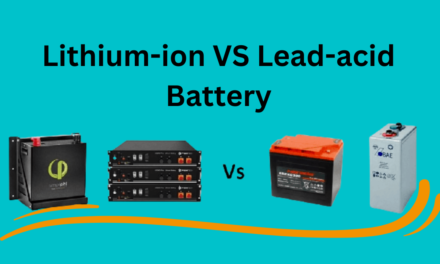
- Battery Manufacturing: It’s true that the production of EV batteries—especially lithium-ion batteries—can result in significant CO2 emissions due to the mining and processing of raw materials like lithium, cobalt, and nickel. However, as battery technologies improve and energy efficiency in manufacturing increases, the carbon footprint of battery production is expected to decrease.
- Lifecycle Assessment: Despite the higher manufacturing emissions, EVs compensate through their low emissions during operation. Over the course of their life, EVs have been shown to emit 40-70% less CO2 than ICE vehicles, depending on factors like the energy mix used for charging and how the vehicle is driven.
5. Potential for Battery Recycling and Second-Life Use
- Recycling and Reusing EV Batteries: As the demand for EVs grows, so does the focus on improving the sustainability of battery production and recycling. Advances in battery recycling technologies allow for the recovery of valuable raw materials from used EV batteries, reducing the need for new mining and lowering the environmental impact.
- Second-Life Use: In addition to recycling, EV batteries can also have a second life after they are no longer suitable for use in vehicles. These batteries can be repurposed for energy storage solutions, such as grid storage, further enhancing their contribution to reducing carbon emissions by facilitating the use of renewable energy.
6. Reduced Need for Fossil Fuels
- Decreased Demand for Oil: As more consumers adopt EVs, demand for gasoline and diesel decreases. This shift not only reduces emissions from the vehicles themselves but also reduces the need for oil extraction, refining, and distribution, which are all energy-intensive processes that produce carbon emissions.
- Energy Independence: EVs can also contribute to greater energy independence for countries that rely heavily on imported oil. By increasing reliance on electricity (which can be generated locally from renewable sources), countries can reduce their dependence on fossil fuels and lower their overall carbon footprint.
7. Integration with Renewable Energy Systems
- Vehicle-to-Grid (V2G) Technology: EVs have the potential to act as mobile energy storage systems through vehicle-to-grid (V2G) technology. This allows EVs to store excess energy (for example, from solar or wind generation) and feed it back into the grid during times of high demand or low renewable energy generation, balancing energy supply and reducing reliance on fossil-fuel-powered plants.
- Smart Charging: EVs can also be integrated with smart charging systems, which optimize when and how a vehicle is charged based on the availability of renewable energy, further reducing the carbon emissions associated with charging.
8. Impact on Public Transportation
- Electric Buses and Fleets: The adoption of EVs extends beyond personal vehicles into commercial and public transportation. Many cities and municipalities are transitioning their bus fleets to electric models, which results in reduced emissions in public transportation and lower overall air pollution. Electric buses, for example, produce zero tailpipe emissions and can be powered by renewable energy sources, further reducing their carbon footprint.
Conclusion
Electric vehicles play a crucial role in reducing carbon emissions, both through their zero tailpipe emissions and their ability to integrate with cleaner, renewable energy sources. As more EVs are deployed on the roads, their environmental benefits will increase, particularly as electricity grids decarbonize and battery technology improves. While there are challenges, such as battery production emissions and charging infrastructure, the widespread adoption of EVs is a key strategy for reducing global greenhouse gas emissions and mitigating climate change.
Hashtags
#EVsReduceEmissions #ZeroEmissions #LowCarbonTransport #EVForCleanAir #SustainableMobility #CarbonFreeDriving #EVCarbonFootprint #EVEnvironmentalImpact #CleanEnergyTransport #GreenTransportation #EVsForThePlanet #ElectricCarsForClimateAction #EcoFriendlyVehicles #EVsCombatClimateChange #CleanerAirWithEVs #SustainableEVs #ElectrificationForSustainability #EVClimateSolutions #CarbonNeutralTransport #NetZeroEmissions #EVsForNetZero #ZeroCarbonFuture #EVsForSustainableFuture #EmissionFreeFuture #RenewableEnergyForEVs #EVsAndRenewableEnergy