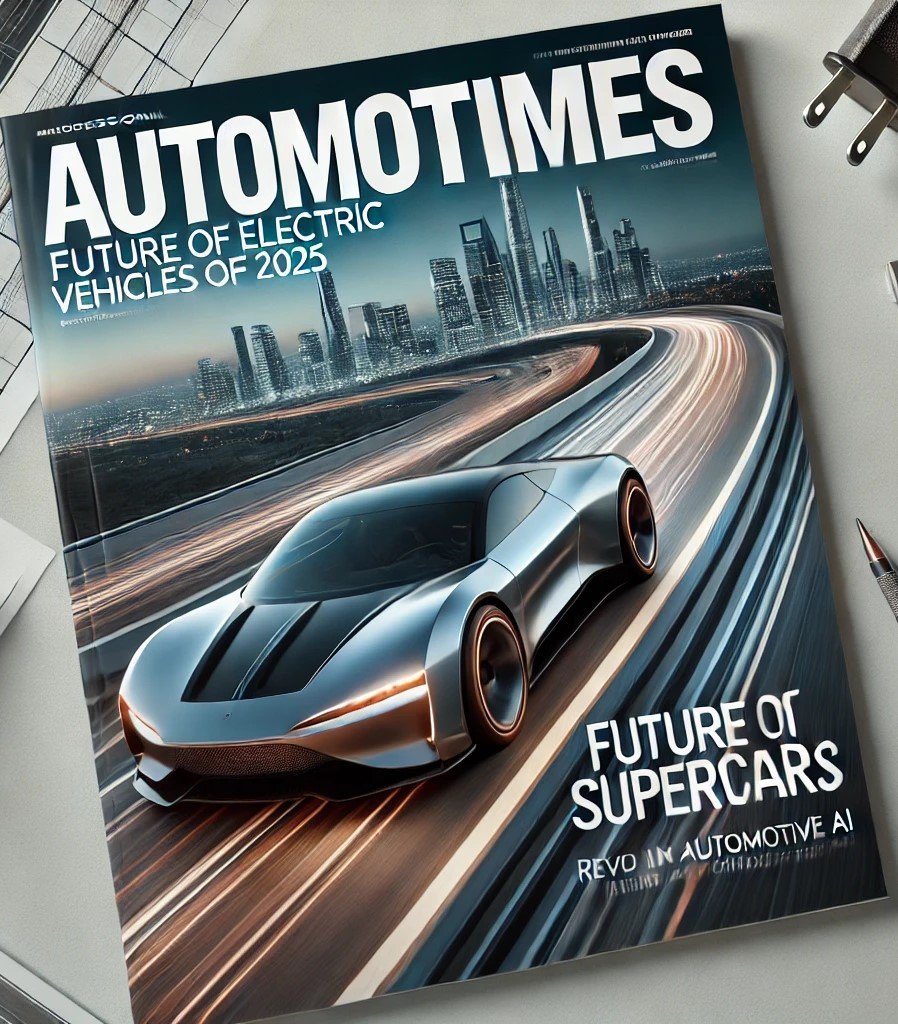
Aerodynamics plays a crucial role in the fuel efficiency of commercial vehicles, particularly for those involved in long-distance transportation, such as trucks, vans, trailers, and buses. The impact of aerodynamics on fuel efficiency is primarily due to the way air resistance (or drag) affects the vehicle as it moves at high speeds. By improving the aerodynamic design of commercial vehicles, manufacturers can significantly reduce fuel consumption, lower emissions, and improve overall operational efficiency.
Here’s a breakdown of how aerodynamics influences the fuel efficiency of commercial vehicles:
1. Reducing Air Resistance (Drag)
- Drag is the force that opposes the motion of a vehicle through the air. The more aerodynamic a vehicle is, the less drag it experiences, which means the engine doesn’t have to work as hard to maintain speed.
- Impact on Fuel Consumption: Commercial vehicles, especially those traveling at highway speeds, consume much more fuel when air resistance is high. By reducing drag, the vehicle uses less energy to maintain the same speed, which improves fuel economy.
- For example, a reduction in drag by just 10% can lead to a 5% improvement in fuel efficiency.
2. Shape and Design Modifications
- Streamlined Shapes: Commercial vehicles with more aerodynamic shapes (e.g., sleek curves, rounded edges, and smooth surfaces) experience less drag than those with flat fronts or sharp edges.
- Cab Design: For trucks, the shape of the cab is particularly important. A more rounded and tapered front end reduces wind resistance.
- Trailer Design:Aerodynamic trailers are designed to minimize drag by having smooth, curved shapes, or special aero-kits (such as side skirts and boat tails) that reduce turbulence at the rear of the vehicle.
- Side skirts prevent air from flowing under the vehicle, which reduces drag.
- Boat tails (tapered, slanted rear ends) reduce the low-pressure turbulence that forms behind the vehicle, preventing air from being sucked in.
3. Improved Fuel Efficiency
- Impact on Fuel Costs: Commercial vehicles, particularly those that travel long distances, can benefit from significant fuel savings through aerodynamic improvements. By reducing drag, fuel efficiency improves, leading to lower operational costs for businesses in the logistics and transportation sectors.
- Example: For a long-haul truck driving at highway speeds, improving aerodynamics can reduce fuel consumption by up to 10%.
4. Speed and Driving Conditions
- High-Speed Efficiency: At higher speeds (e.g., highway driving), the impact of aerodynamics becomes even more significant. As speed increases, air resistance grows exponentially. Therefore, for commercial vehicles that frequently drive at high speeds, aerodynamic design is especially important.
- Variable Driving Conditions: In urban environments or stop-and-go traffic, the effect of aerodynamics on fuel efficiency may be less noticeable. However, for long-distance trucks and trailers operating on highways, aerodynamic features have a much more substantial impact on long-term fuel consumption.
5. Weight Considerations
- While aerodynamic efficiency is crucial, it must be balanced with vehicle weight. For example, adding materials or devices to improve aerodynamics (such as fairings, skirts, or spoilers) should not significantly increase the gross vehicle weight, as that could negate some of the benefits of improved aerodynamics.
- Manufacturers strive to achieve the best balance between reducing drag and maintaining payload capacity without excessive added weight.
6. Fuel Savings and Environmental Impact
- Fuel Savings: By improving the aerodynamic design of commercial vehicles, businesses can lower fuel consumption, thus cutting down on operating costs, particularly for fleets of trucks or delivery vehicles.
- Environmental Benefits: Reduced fuel consumption leads to lower greenhouse gas emissions, which supports the sustainability goals of reducing the carbon footprint of the transportation sector. This is especially critical as regulations around carbon emissions become stricter worldwide.
7. Technological Innovations
- Active Aerodynamics: Some modern commercial vehicles incorporate active aerodynamic systems, which automatically adjust features like spoilers, air dams, and grilles to optimize airflow based on speed and driving conditions. For example:
- Adjustable rear spoilers that change the angle at high speeds to improve airflow and reduce drag.
- Active grille shutters that open and close to control airflow through the engine bay, improving fuel efficiency by reducing drag when not needed.
- Underbody Aerodynamics: Designing the underside of the vehicle to be as smooth as the top can further reduce air turbulence and improve fuel efficiency. This might include smooth underbody panels and air dams to direct air smoothly around the vehicle.
8. Cost-Effectiveness of Aerodynamic Features
- Aerodynamic features like side skirts, roof fairings, and aero trailers may have an initial cost but can pay for themselves over time through fuel savings. For example, a typical long-haul truck that installs aerodynamic features may see a 5-10% improvement in fuel efficiency, significantly reducing operating costs.
9. Fuel Economy vs. Cargo Space
- When designing commercial vehicles, there’s a trade-off between optimizing for aerodynamics and maintaining cargo space. For example, some aerodynamic features, like side skirts, may take up some space under the vehicle, reducing the available area for storage. Designers have to balance these trade-offs carefully to ensure both fuel savings and operational utility.
Conclusion:
Aerodynamics plays a vital role in improving the fuel efficiency of commercial vehicles, particularly those that operate over long distances, like trucks and trailers. By reducing drag, improving design features, and incorporating aerodynamic technologies, commercial vehicle manufacturers can lower fuel consumption, reduce emissions, and cut operational costs. For fleet operators, investing in aerodynamic upgrades can lead to substantial fuel savings and long-term financial benefits. As fuel efficiency continues to be a priority in the industry, the role of aerodynamics will only grow more important, driving both economic and environmental advantages in the commercial transportation sector.
Hashtags
#AerodynamicsInCommercialVehicles #FuelEfficiencyThroughAerodynamics #TruckAerodynamicsForFuelEfficiency #FuelSavingVehicleDesign #AerodynamicDesignInTrucks #ImprovingFuelEfficiencyWithAerodynamics #AerodynamicEnhancementsInTrucks #FuelEfficientTruckDesign #AerodynamicTruckFeatures #AerodynamicModificationsInVehicles #TruckFuelEfficiencyAerodynamics #FreightTruckAerodynamics #LongHaulFuelEfficiency #AerodynamicsInFreightTransport #OptimizingTruckAerodynamicsForLongHaul #FuelEfficientFreightTrucks #ReducingDragInTrucks #LoweringAirResistanceInVehicles