Global economic factors such as fuel prices and inflation have a significant impact on the commercial vehicle market, influencing both the cost of operation and vehicle demand. Here’s how these factors affect the industry:
1. Impact of Fuel Prices:
- Operational Costs:
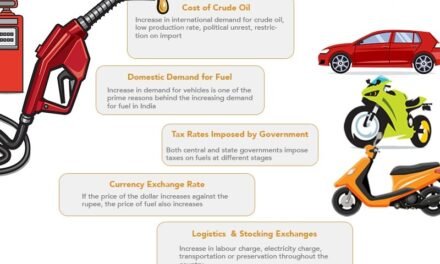
- Fuel is a major operating expense for commercial vehicles, especially for long-haul trucks, freight transport, and delivery services. When fuel prices rise, it increases the cost of operating a fleet, leading to higher transportation costs for businesses.
- Impact on Profit Margins: For fleet operators, rising fuel prices can squeeze profit margins, as they must either absorb the cost increases or pass them onto customers through higher shipping or delivery fees.
- Shift Towards Fuel-Efficient or Alternative Vehicles:
- Demand for Electric and Hybrid Vehicles: As fuel prices rise, companies seek to offset costs by investing in more fuel-efficient vehicles, including electric and hybrid trucks, which are more cost-effective in the long run despite higher initial purchase prices.
- Technological Innovation: Manufacturers respond to fuel price volatility by designing commercial vehicles with better fuel economy, alternative fuel options (like CNG), and aerodynamic features to reduce fuel consumption.
- Logistics Strategy Adjustments:
- Companies may adjust their routing strategies to reduce fuel consumption by optimizing delivery schedules, choosing shorter routes, or adopting fleet management software to track fuel efficiency.
2. Impact of Inflation:
- Increased Vehicle Prices:
- Higher Material Costs: Inflation drives up the costs of raw materials (e.g., steel, aluminum, components), which increases the production cost of commercial vehicles. This results in higher purchase prices for both new and replacement vehicles.
- Supply Chain Disruptions: Inflation can also lead to higher transportation and supply chain costs, further increasing the price of vehicles and parts, and causing delays in manufacturing and delivery.
- Higher Maintenance and Repair Costs:
- The rising costs of labor, parts, and services during inflationary periods make it more expensive for fleet operators to maintain and repair their vehicles. Maintenance costs are a crucial part of total ownership costs, and inflation can significantly impact the profitability of fleet operations.
- Rising Interest Rates:
- To curb inflation, central banks may increase interest rates, raising the cost of financing for purchasing commercial vehicles. Higher loan and leasing rates can lead to more expensive monthly payments for fleet owners, reducing demand for new vehicles.
- Cost of Goods and Services:
- As inflation affects the broader economy, businesses might face higher costs for raw materials (for manufacturing) and services (such as freight, warehousing, and logistics), all of which ultimately increase the operating expenses for the commercial vehicle sector.
3. Impact on Demand for Commercial Vehicles:
- Changes in Consumer Spending Patterns:
- Inflation and rising costs can reduce consumer spending, leading to lower demand for goods and services. This, in turn, affects the volume of freight and deliveries needed, reducing demand for commercial vehicles. Conversely, a decrease in demand can lead businesses to reduce fleet size or delay vehicle purchases.
- Investment in Fleet Upgrades or Expansion:
- During periods of economic uncertainty, companies may delay or cancel investments in new fleets, preferring to maintain existing vehicles for longer to avoid the higher costs associated with purchasing new vehicles. Conversely, if the economy stabilizes or grows, companies may look to expand their fleets to meet rising demand.
- Increased Adoption of Leasing and Rental Options:
- Leasing or renting vehicles can become more attractive during periods of inflation, as it allows businesses to avoid the large upfront costs of purchasing new vehicles. Fleet managers may prefer flexible options that do not tie up capital.
4. Influence on Fuel-Intensive Sectors:
- Freight and Long-Distance Transport:
- For sectors dependent on freight and long-haul trucking, high fuel prices and inflation lead to operational challenges. This can cause increased shipping costs and make companies in industries like logistics and freight forwarding look for ways to absorb or offset higher costs.
- Delivery Services and E-commerce:
- As e-commerce continues to drive demand for goods delivery, rising fuel prices and inflation increase operating costs for delivery fleets, which may pass on the higher costs to consumers in the form of increased shipping fees.
5. Global Supply Chain Issues and Vehicle Availability:
- Manufacturing Delays and Shortages:
- Inflation can lead to global supply chain disruptions, affecting the availability of key components and raw materials for commercial vehicle production. Semiconductor shortages, for example, have delayed vehicle manufacturing, creating supply shortages and longer wait times for fleet orders.
- Longer Delivery Times: Manufacturers and suppliers may face higher costs and delays in shipping vehicle parts, which in turn can delay fleet expansion or replacement cycles for businesses.
6. Economic Growth and Infrastructure Investment:
- Boost from Infrastructure Investment:
- During periods of economic recovery or growth, governments may invest in infrastructure projects (roads, bridges, ports) that stimulate demand for commercial vehicles, particularly in sectors like construction, heavy equipment, and logistics.
- The Build Back Better programs or green initiatives aimed at sustainable transportation may drive demand for electric commercial vehicles and related infrastructure.
Conclusion:
Fuel prices and inflation have a far-reaching impact on the commercial vehicle market, influencing costs for businesses, purchasing decisions, and fleet management strategies. Manufacturers, fleet operators, and businesses must continuously adapt to these changing economic conditions by investing in fuel-efficient technologies, exploring alternative financing options, and optimizing operational costs to stay competitive.
Hashtags
#FuelPricesAndCommercialVehicles #FuelCostsInTrucks #FuelPriceImpactOnFleetManagement #FuelEfficiencyInCommercialVehicles #RisingFuelCostsForTrucks #TruckFleetFuelPrices #InflationAndVehiclePrices #ImpactOfInflationOnTruckMarket #RisingCostsForCommercialVehicles #InflationAndFleetManagement #TruckPricingInInflationaryTimes #EconomicFactorsInVehiclePricing #OperatingCostsInCommercialVehicles #CostOfOwnershipForTrucks #TruckOperatingCostInflation #InflationAndTransportCosts #VehicleCostImpactOnFleetOwners #EconomicImpactOnTruckMarket #CommercialVehicleMarketTrends #DemandForCommercialVehicles