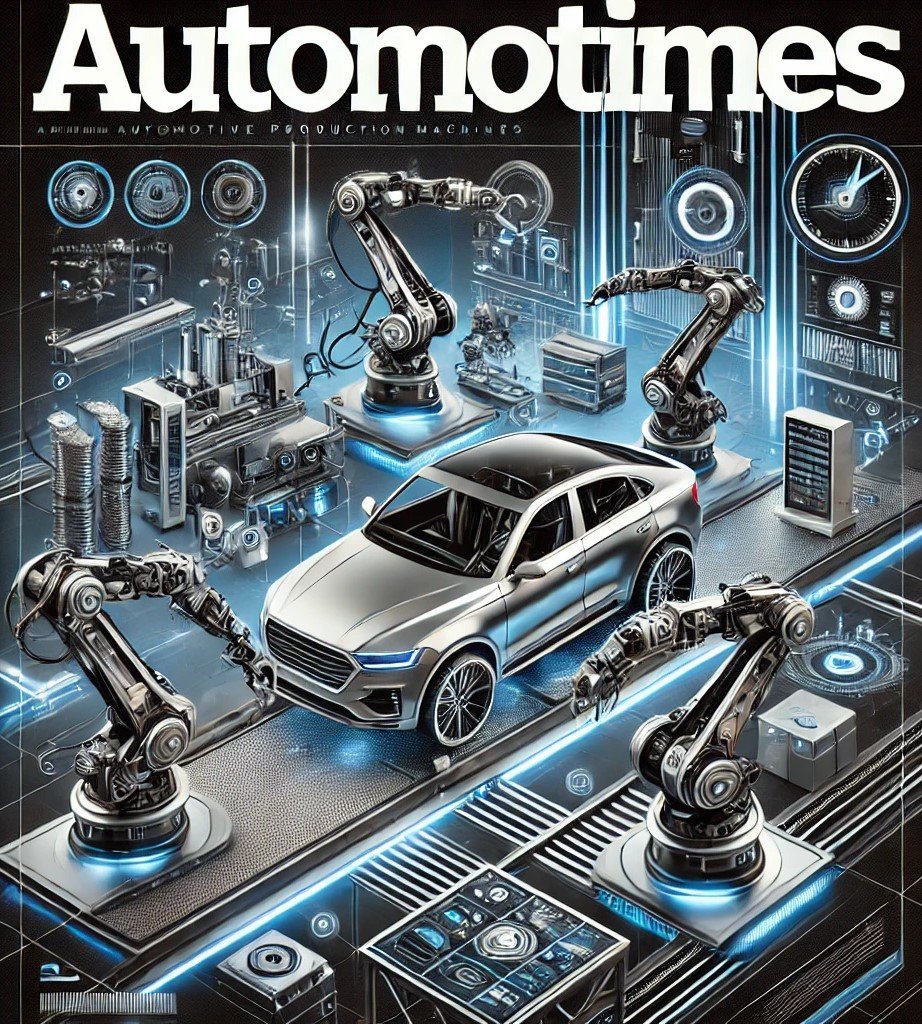
Modern automotive repair tools differ from traditional ones in several key areas, primarily driven by advancements in technology and the increasing need for efficiency in vehicle maintenance and repair. Here’s how they compare:
1. Diagnostic Tools
- Modern Tools: Advanced diagnostic tools like OBD-II scanners and scan tools provide real-time data from the vehicle’s onboard computer systems, identifying trouble codes and performance issues. These tools can access detailed information about various systems such as engine control, transmission, braking, and more.
- Traditional Tools: Traditional tools, such as basic hand tools and mechanical gauges, often required technicians to manually inspect components and rely on their experience to diagnose issues, which was time-consuming and sometimes inaccurate.
2. Automation and Digitalization
- Modern Tools: Modern tools incorporate automation and digital interfaces, such as digital torque wrenches, electric impact wrenches, and robotic arms. These tools provide precise control, faster execution, and consistent results. AI-powered diagnostic systems can also predict failures before they occur, based on data collected from sensors and previous repair history.
- Traditional Tools: Traditional tools are usually manual and lack the precision offered by automation. For example, technicians used to rely on manually adjusted wrenches, dial gauges, or mechanical lifts, which can be slower and more prone to human error.
3. Data Integration and Cloud Connectivity
- Modern Tools: Many modern tools are cloud-enabled, allowing technicians to access vast databases of repair manuals, service bulletins, and diagnostic data. This helps with faster troubleshooting and obtaining manufacturer-specific information in real time. Mobile apps and software solutions can integrate with tools to track vehicle history, repair status, and service records.
- Traditional Tools: Traditional tools were more isolated, without the ability to interface with cloud systems or access real-time data. Mechanics relied on printed manuals or their knowledge of vehicle history to complete repairs, which limited the speed and scope of diagnostics.
4. Precision and Accuracy
- Modern Tools: Tools like laser alignment systems, 3D scanners, and automated brake testers provide highly accurate measurements, ensuring repairs meet strict manufacturer specifications. Digital torque wrenches can precisely tighten fasteners to specific torque settings, reducing the risk of over-tightening or under-tightening.
- Traditional Tools: While traditional tools like hand torque wrenches were effective, they were often less precise. Manual inspection and calibration were required to achieve accurate results, leading to a higher potential for human error in critical areas such as engine repair and suspension work.
5. Speed and Efficiency
- Modern Tools: Powered tools such as electric impact wrenches, air tools, and hydraulic jacks allow technicians to complete tasks more quickly and with less physical effort. Tasks like tire changes, brake jobs, and engine disassemblies can now be done much faster than with traditional hand tools.
- Traditional Tools: Many tasks, like loosening bolts or adjusting parts, were traditionally done manually, which took longer and required more physical effort. Even basic jobs such as tire changes could take longer without powered equipment.
6. Safety Features
- Modern Tools: Modern automotive repair tools often come with built-in safety features, such as automatic shut-offs on power tools, sensors to prevent overloading, and safety locking mechanisms for lifting equipment. These features reduce the risk of accidents and injuries during repairs.
- Traditional Tools: Traditional tools generally lacked these safety features. For example, manual jacks, when used improperly, could be unstable, and power tools lacked built-in mechanisms to prevent misuse.
7. Maintenance and Longevity
- Modern Tools: Many modern tools come with self-diagnostics and indicators for maintenance needs. For example, digital tools can alert users when a calibration check is required or when a part is nearing the end of its useful life.
- Traditional Tools: Traditional tools required manual inspection for wear and tear, and technicians had to rely on their own judgment to determine if a tool was functioning properly, which could lead to prolonged downtime if tools failed unexpectedly.
8. Portability and Convenience
- Modern Tools: Many modern tools are designed to be more portable and user-friendly. Compact, cordless tools like battery-powered drills, impact drivers, and electric wrenches make it easier for technicians to work in tight spaces and move quickly between different repair areas.
- Traditional Tools: Traditional tools often relied on corded power supplies or were bulky and heavy, making them less convenient for working in confined spaces or for carrying between different tasks.
9. Environmental Considerations
- Modern Tools: Modern tools are designed with environmental impact in mind, using eco-friendly materials, lower power consumption, and rechargeable batteries to reduce waste. For example, electric cars and hybrids can be worked on using specialized tools that protect the vehicle’s sensitive electronic systems and battery.
- Traditional Tools: Older tools tended to be less energy-efficient and sometimes produced more physical waste, such as using pneumatic systems powered by compressed air, which can consume significant energy.
Modern automotive repair tools leverage technology to offer significant improvements over traditional tools. With advancements in automation, precision, efficiency, safety, and data integration, modern tools enhance the speed, accuracy, and quality of vehicle repairs, while also making the process safer and more efficient for technicians. While traditional tools remain important, the evolution of automotive repair technology is transforming the industry to meet the demands of modern vehicles and their increasingly complex systems.