dards have been central to the evolution of on-highway vehicle lighting systems, which continue to drive market growth.
One of the major trends in on-highway vehicle lighting is the growing adoption of LED lighting solutions. LEDs offer numerous advantages over traditional lighting technologies such as halogen and incandescent bulbs, including longer lifespan, lower energy consumption, and the ability to produce brighter, more efficient light. As a result, LED technology is becoming increasingly widespread across automotive lighting applications, including headlights, taillights, turn signals, and interior lighting. The shift to LED lighting is not only driven by consumer demand for more energy-efficient vehicles but also by the need for better visibility and aesthetic appeal in vehicle design.
Another critical factor in the on-highway vehicle lighting market is the implementation of stricter regulations aimed at improving vehicle safety. Various countries have introduced laws and guidelines that require higher-performance lighting systems for both daytime running lights (DRLs) and nighttime visibility. In response, automakers and lighting suppliers are continuously innovating to create advanced lighting systems, such as adaptive headlights, matrix LED technology, and laser lighting. These technologies offer better illumination, enhance driver safety, and improve the aesthetic appeal of vehicles. Additionally, automotive lighting suppliers are investing heavily in research and development (R&D) to develop smart lighting solutions that can dynamically adjust based on driving conditions, road types, and traffic environments.
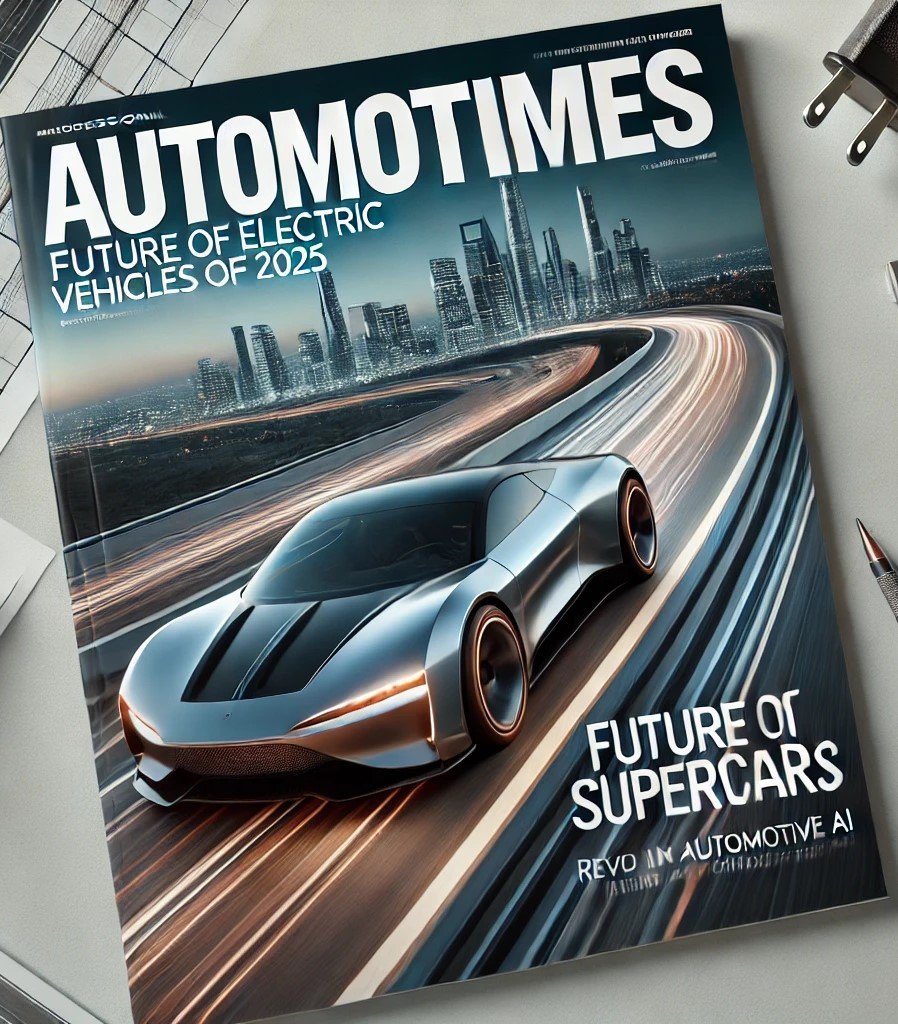
The growing importance of electric vehicles (EVs) also plays a significant role in shaping the strategic landscape of on-highway vehicle lighting. EV manufacturers are increasingly prioritizing energy-efficient lighting systems that optimize battery life without compromising on performance. The integration of LED lights and OLED technologies in EVs helps meet both the functional and aesthetic needs of modern vehicles while supporting the sustainability goals of automakers. With the rapid growth of the EV market, lighting companies are also focusing on developing innovative lighting solutions that complement the unique requirements of EVs, such as distinctive light signatures and low-energy consumption.
Another key development in the on-highway vehicle lighting market is the globalization of vehicle lighting standards. As the automotive industry becomes increasingly globalized, automakers and lighting manufacturers are working to ensure that their products meet universal safety standards and regulations. This includes meeting the requirements of various international markets, such as Europe, North America, and Asia, where specific lighting standards, such as ECE regulations and SAE specifications, are enforced. This trend is encouraging global collaboration between vehicle manufacturers, lighting suppliers, and regulatory bodies to create uniform safety standards and innovative lighting solutions that can be used worldwide.
In terms of market dynamics, the on-highway vehicle lighting industry is highly competitive, with several key players, including Osram, Hella, Koito Manufacturing, Valeo, and Stanley Electric, vying for market share. These companies are focusing on product innovation, cost competitiveness, and strategic partnerships to maintain a strong market position. Additionally, there is a growing trend towards automotive lighting suppliers forging partnerships with OEMs and Tier 1 suppliers to co-develop new lighting technologies that meet the specific needs of modern vehicles, including autonomous vehicles and connected vehicles.
Overall, the strategic analysis of the on-highway vehicle lighting market underscores a strong trajectory of growth, driven by technological advancements, regulatory pressure, and the increasing demand for safety and aesthetic improvements in vehicle lighting. As the industry moves forward, key trends such as the adoption of LED and OLED lighting, smart lighting systems, and the rise of electric vehicles will continue to shape the future of automotive lighting worldwide. The market is expected to expand steadily, with innovations in lighting technology and global standardization playing pivotal roles in this transformation.