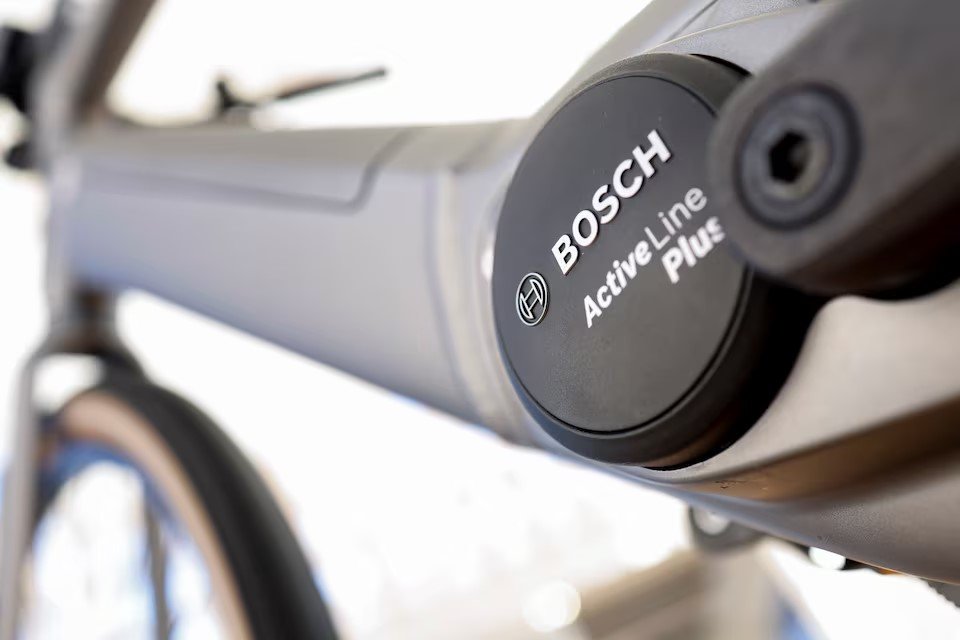
The United States has reached a preliminary deal with Bosch, a leading German automotive supplier, for $225 million in chip grants. This agreement is part of the U.S. government’s ongoing efforts to bolster domestic semiconductor production, especially amid the global chip shortage that has disrupted various industries, including the automotive sector. The deal aims to support Bosch’s efforts in expanding its semiconductor manufacturing capacity in the U.S. and enhance its ability to supply critical chips for a wide range of industries, including automotive manufacturing, consumer electronics, and industrial applications.
The $225 million in chip grants will be allocated to Bosch’s semiconductor production plants, particularly to increase capacity for automotive-grade chips. These chips are vital components in modern vehicles, powering everything from infotainment systems and driver-assistance features to engine control units and electric vehicle (EV) powertrains. The shortage of such chips over the past few years has led to significant production delays, with automakers struggling to meet the growing demand for new vehicles. With this deal, Bosch aims to mitigate the impact of future shortages and ensure a more resilient supply chain for the automotive industry in the U.S.
This move is part of a broader strategy by the U.S. government to revitalize domestic semiconductor manufacturing. The Bipartisan Infrastructure Law and the CHIPS and Science Act, passed in recent years, have earmarked billions of dollars to incentivize the expansion of chip manufacturing in the United States. By securing this grant deal with Bosch, the U.S. is taking steps toward reducing its dependence on foreign semiconductor suppliers, particularly in the wake of geopolitical tensions and supply chain vulnerabilities exacerbated by the pandemic.
For Bosch, this deal represents a significant opportunity to strengthen its position in the U.S. market and continue its long-standing partnership with the automotive industry. The company has been a key supplier of advanced semiconductor solutions for years, and this new deal is expected to expand its production capabilities and accelerate the delivery of innovative technologies. The increased production capacity will not only help meet the needs of the automotive sector but also support other industries, including consumer electronics and energy systems, where the demand for advanced chips is on the rise.
The $225 million deal with Bosch is a promising step toward securing the U.S. semiconductor supply chain and addressing the ongoing challenges in the automotive industry caused by chip shortages. As the automotive sector continues its shift toward electric vehicles (EVs) and more connected technologies, ensuring a stable and reliable supply of chips is critical for future growth and innovation. This agreement reflects a shared commitment between the U.S. government and industry leaders like Bosch to future-proof the supply chain and ensure continued progress in technological advancement and manufacturing resilience.