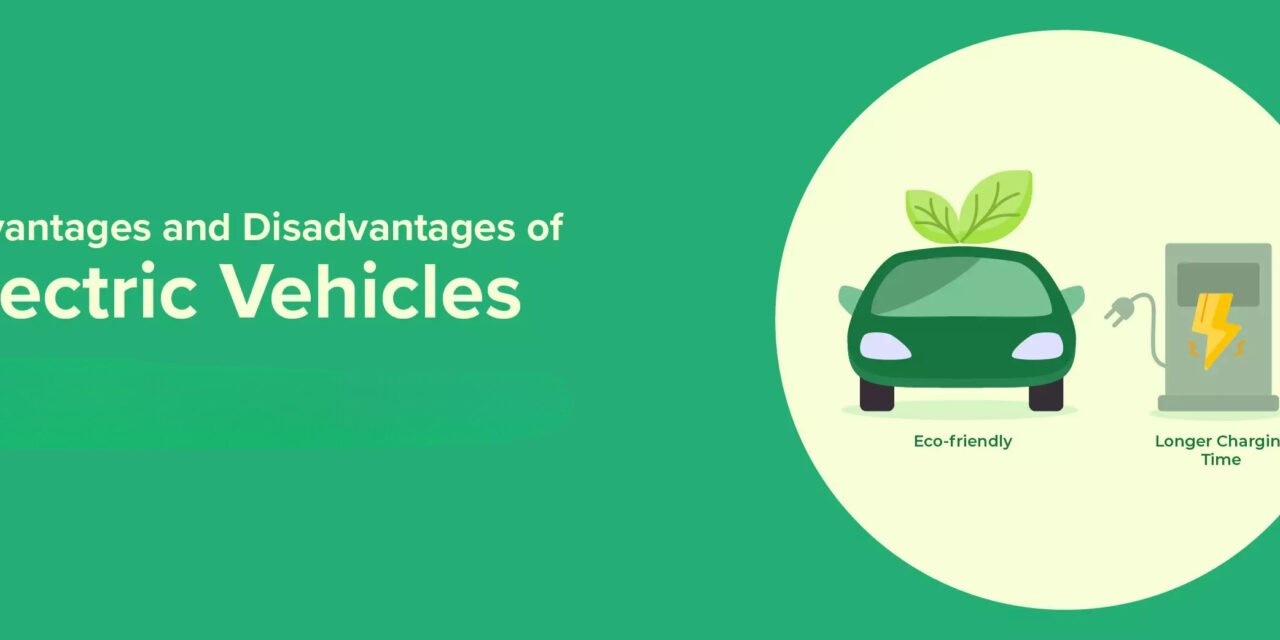
Electric vehicles (EVs) have gained popularity as a cleaner and more sustainable alternative to internal combustion engine (ICE) vehicles. However, each type has its own set of advantages and disadvantages, making the choice between them dependent on factors such as cost, infrastructure, and driving habits. Below is a detailed comparison of the advantages and disadvantages of EVs compared to ICE vehicles.
Advantages of EVs Over ICE Vehicles
1. Environmental Benefits
- Zero Tailpipe Emissions: EVs produce no carbon dioxide (CO2), nitrogen oxides (NOx), or particulate matter emissions during operation, contributing to improved air quality.
- Lower Carbon Footprint: Even when accounting for electricity generation, EVs typically emit less greenhouse gas (GHG) than ICE vehicles, especially in regions with clean energy grids.
- Reduced Noise Pollution: EVs operate much more quietly than ICE vehicles, contributing to quieter urban environments.
2. Energy Efficiency
- Higher Energy Efficiency: EVs convert over 77% of electrical energy into movement, compared to ICE vehicles, which convert only 12-30% of fuel energy into motion due to losses from heat and friction.
- Regenerative Braking: EVs can recapture and store energy during braking, improving overall efficiency.
3. Lower Operating Costs
- Cheaper “Fuel” Costs: Electricity is generally cheaper than gasoline or diesel on a per-mile basis.
- Reduced Maintenance Costs: EVs have fewer moving parts, no oil changes, and no exhaust systems, which leads to fewer repairs and lower long-term maintenance costs.
4. Driving Experience
- Instant Torque: Electric motors provide instant torque for smooth and rapid acceleration, enhancing driving performance.
- Quiet Operation: EVs offer a quieter and more comfortable driving experience compared to the noise and vibrations of ICE engines.
5. Government Incentives
- Many governments offer tax credits, rebates, and subsidies for EV purchases. Additionally, EV drivers may benefit from perks like access to carpool lanes or reduced toll fees in some regions.
Disadvantages of EVs Compared to ICE Vehicles
1. Limited Driving Range
- Range Anxiety: Most EVs have a range of 150-400 miles per charge, which is less than the range of most ICE vehicles (typically 300-500 miles per tank).
- Impact of Conditions: EV range can be affected by temperature, driving habits, and the use of accessories like heating or air conditioning.
2. Charging Infrastructure
- Limited Availability: While EV charging networks are expanding, they are still less widespread than gas stations, especially in rural areas.
- Charging Time: Charging an EV can take anywhere from 30 minutes (fast chargers) to 20 hours (standard outlets), compared to 5-10 minutes to refuel an ICE vehicle.
3. Higher Upfront Costs
- Vehicle Price: EVs typically cost more than ICE vehicles due to the high cost of batteries, although prices are decreasing with advancements in technology.
- Home Charging Installation: Installing a home charging station can be expensive, adding to the initial investment.
4. Battery Life and Replacement
- Battery Degradation: Over time, EV batteries can lose capacity, reducing the vehicle’s range.
- Cost of Replacement: Replacing a depleted EV battery can be costly, although warranties and improving battery technology help mitigate this concern.
5. Environmental Concerns of Battery Production
- Resource Extraction: The production of EV batteries requires significant mining of lithium, cobalt, and nickel, which can have negative environmental and social impacts.
- End-of-Life Recycling: Proper recycling of EV batteries is still a developing field, and improper disposal could pose environmental challenges.
6. Limited Options for Certain Applications
- Towing and Heavy Loads: EVs generally have reduced towing capacity and range when carrying heavy loads compared to ICE vehicles.
- Cold Weather Performance: Batteries perform less efficiently in extremely cold temperatures, potentially reducing range and charging speed.
Advantages of ICE Vehicles Over EVs
- Longer Range: ICE vehicles can travel further on a single tank of fuel and refuel quickly at widely available gas stations.
- Lower Upfront Costs: ICE vehicles are generally more affordable than EVs, especially in regions with minimal EV subsidies or incentives.
- No Charging Delays: Refueling an ICE vehicle takes just a few minutes, making them more convenient for long-distance travel.
- Proven Technology: ICE vehicles have been on the market for over a century, with well-established supply chains, repair networks, and performance benchmarks.
Disadvantages of ICE Vehicles Compared to EVs
- Environmental Impact: ICE vehicles emit greenhouse gases and pollutants that contribute to air pollution, global warming, and health issues.
- Higher Operating Costs: Gasoline and diesel are generally more expensive than electricity, and ICE vehicles require frequent maintenance (e.g., oil changes, exhaust repairs).
- Energy Inefficiency: A significant portion of fuel energy is lost as heat, making ICE vehicles less efficient than EVs.
- Regulatory Challenges: Stricter emissions standards and bans on ICE vehicles in certain regions are pushing automakers and consumers toward EVs.
Conclusion
EVs offer significant advantages in terms of energy efficiency, environmental impact, and operating costs, making them an increasingly attractive choice for consumers and governments focused on sustainability. However, challenges such as charging infrastructure, upfront costs, and battery limitations still make ICE vehicles more practical in certain scenarios. The choice between EVs and ICE vehicles ultimately depends on individual needs, regional infrastructure, and the availability of incentives. As technology advances, EVs are expected to become even more competitive, leading to a shift toward cleaner transportation globally.
Hashtags
#EVAdvantages #ElectricOverGas #ZeroEmissions #EcoFriendlyVehicles #LowerRunningCosts #ReducedCarbonFootprint #QuietDrivingExperience #EVPerformance #NoFuelNeeded #EVTaxBenefits #EVDisadvantages #RangeAnxiety #ChargingInfrastructure #EVChargingTime #BatteryCostChallenges #LimitedRange #BatteryDegradation #ChargingStationAvailability #HigherUpfrontCost #ColdWeatherPerformance #EVSupplyChainIssues #EVvsICE #ElectricVsCombustion #EVComparison #EVProsAndCons #ElectricVsGasCars #FutureOfMobility #SustainableVsTraditional #EVTechComparison #EVEnvironmentalBenefits #LowEmissionVehicles #CleanEnergyCars #GreenMobility #SustainabilityInTransportation
#CostOfEVOwnership #EVRunningCosts #FuelCostVsElectricityCost #EVTaxIncentives #ResaleValueEV