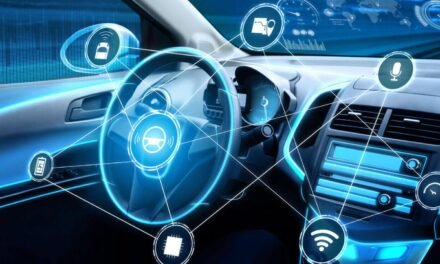
Electric vehicles (EVs) are poised to play a central role in shaping the future of autonomous and connected vehicles. Their inherent compatibility with cutting-edge technologies, sustainability advantages, and adaptability to emerging trends make them ideal platforms for autonomous and connected functionalities. Here’s how EVs will influence this transformative shift:
1. Seamless Integration of Electric Powertrains with Autonomous Systems
- Reduced Mechanical Complexity: EVs have simpler drivetrains than internal combustion engine (ICE) vehicles, making them more adaptable for the sensors, cameras, and processors required for autonomous systems.
- High-Power Electrical Systems: Autonomous vehicles (AVs) demand significant energy for computing systems, lidar, radar, and cameras. EV batteries provide a steady and ample power source to support these energy-intensive components.
2. Enhanced Compatibility with Connectivity Features
- Vehicle-to-Everything (V2X) Technology: EVs are increasingly equipped with V2X systems, enabling real-time communication between vehicles, infrastructure, and pedestrians. These systems are essential for autonomous driving and smart city integration.
- Over-the-Air (OTA) Updates: Many EVs already feature OTA capabilities for software updates, a critical feature for autonomous and connected vehicles to receive updates, improve algorithms, and address security vulnerabilities.
3. Synergy Between Autonomous Driving and EV Efficiency
- Predictive Driving: Autonomous systems optimize energy consumption by using advanced algorithms to predict traffic conditions and plan efficient routes. This synergy enhances the range and operational efficiency of EVs.
- Regenerative Braking: Autonomous EVs can maximize regenerative braking by using precise control over acceleration and deceleration, further improving energy efficiency.
4. Centralized Electrical Architectures
- Unified Systems: EVs are designed with centralized electrical architectures, which are more conducive to integrating autonomous and connected vehicle systems compared to the fragmented architectures of ICE vehicles.
- Improved Data Processing: Centralized architectures allow for better coordination between sensors, processors, and communication systems, critical for high-performance autonomy.
5. Driving the Adoption of Shared Mobility
- Electric Robo-Taxis: Autonomous EVs are ideal for ride-hailing and robo-taxi services due to their lower operational costs, reduced maintenance needs, and environmental benefits. Companies like Tesla, Waymo, and Cruise are already working on autonomous EV fleets.
- Sustainability in Urban Mobility: The combination of EVs and autonomy aligns with the goals of reducing urban congestion, air pollution, and carbon emissions through shared, connected mobility solutions.
6. Advancing Battery Technology for Extended Autonomy
- Longer Ranges: Autonomous driving may increase energy consumption due to computational loads and additional equipment. Advancements in EV battery technology, such as solid-state and silicon-anode batteries, will address these challenges by offering higher energy densities and faster charging.
- Wireless Charging: For autonomous fleets, wireless charging solutions eliminate the need for human intervention, enabling continuous operation and faster fleet turnover.
7. Accelerating the Development of Smart Infrastructure
- Integration with Smart Cities: Autonomous EVs will rely heavily on connected infrastructure, such as smart traffic lights and dedicated lanes, to function efficiently. Governments and private entities are investing in such infrastructure, creating a feedback loop that promotes EV adoption.
- Dynamic Charging Stations: The rise of autonomous EVs may lead to innovations like mobile or dynamic charging stations that can service vehicles on the go.
8. Environmental and Regulatory Incentives
- Zero-Emission Autonomous Fleets: Governments are increasingly mandating zero-emission targets for urban transport systems. EVs, being inherently emissions-free, are ideal candidates for meeting these regulatory requirements in autonomous fleets.
- Incentivizing Electric Connectivity: Policies promoting sustainable and connected transportation are driving automakers and tech companies to focus on autonomous EV development.
9. Enhanced User Experience
- Personalized Mobility: Autonomous EVs will leverage connected technologies to deliver highly personalized experiences, such as adjusting climate controls, entertainment, and navigation settings based on user preferences.
- Focus on Passenger Comfort: With no need for a driver, autonomous EVs can be designed to maximize passenger comfort, incorporating spacious interiors, entertainment systems, and even workspace solutions.
10. Convergence of AI and Big Data
- Advanced Machine Learning: AI-driven EVs will analyze vast amounts of data from connected devices and cloud systems to improve safety, optimize routes, and predict maintenance needs.
- Fleet Management: Connected EVs in autonomous fleets will use big data analytics to monitor vehicle performance, energy usage, and customer demand, enhancing operational efficiency.
Key Challenges
- Energy Demand: Autonomous systems increase the energy requirements of EVs, potentially impacting range. Battery advancements and efficient energy management systems are critical to overcoming this hurdle.
- Infrastructure Readiness: Widespread adoption of autonomous EVs requires substantial investments in smart infrastructure, charging networks, and data management systems.
- Cybersecurity Risks: Autonomous and connected EVs are susceptible to hacking and data breaches, necessitating robust security protocols.
Conclusion
EVs are uniquely positioned to drive the future of autonomous and connected vehicles due to their compatibility with advanced technologies, environmental benefits, and adaptability. As battery technology improves, charging infrastructure expands, and AI systems become more sophisticated, EVs will not only revolutionize personal transportation but also reshape shared and commercial mobility. Their integration into autonomous systems promises a safer, cleaner, and more efficient future for the automotive industry and society at large.
Hashtags
#EVsAndAutonomy #EVsConnectedFuture #ElectricAutonomousVehicles #ConnectedEVs #SmartElectricVehicles #EVsDriveAutonomy #EVAutonomousRevolution #EVsForAutonomousTech #AutonomousEVs #SelfDrivingElectricCars #EVAutonomousFuture #ElectricSelfDrivingVehicles #AutonomyAndEVs #ConnectedCarTech #EVConnectivity #IoTForEVs #SmartConnectedVehicles #EVsAndIoT #ConnectedMobility #SustainableAutonomy #EVsAndEfficientDriving #EcoFriendlyAutonomousCars #GreenAutonomousVehicles #ZeroEmissionsAutonomy #SmartChargingEVs #ConnectedEVCharging