The automobile industry and the transportation sector are closely interconnected, as automobiles play a pivotal role in enabling the movement of people and goods. This relationship is symbiotic, with each influencing and driving developments in the other. Below is an overview of their relationship:
1. Automobiles as the Backbone of Transportation
- Passenger Mobility: Automobiles, including cars, buses, and motorcycles, are the primary mode of personal and public transportation in many regions. They facilitate daily commuting, leisure travel, and access to essential services.
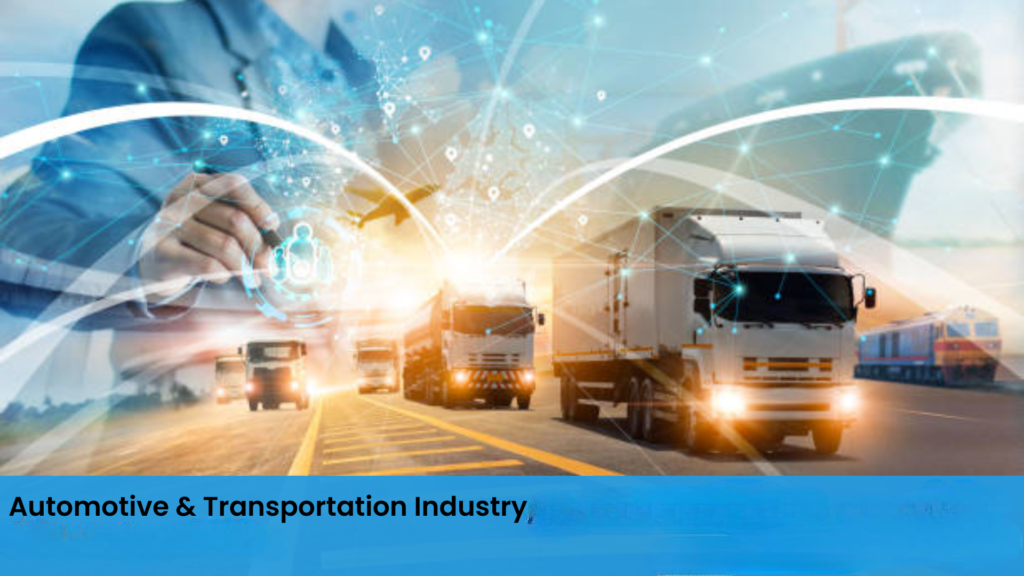
- Goods Transportation: Trucks and commercial vehicles manufactured by the automobile industry are essential for freight transportation, serving supply chains across industries and enabling global trade.
2. Innovation and Development
- Technological Advancements:
- Innovations in the automobile industry, such as electric vehicles (EVs), autonomous driving, and connected vehicle technology, are transforming transportation by making it more sustainable, efficient, and intelligent.
- The transportation sector influences these innovations by driving demand for cleaner, safer, and more cost-effective vehicles.
- Infrastructure Development:
- The growth of the transportation sector encourages the development of supporting infrastructure like roads, highways, and charging stations, which, in turn, benefits the automobile industry.
3. Economic Contributions
- Job Creation: Both sectors significantly contribute to global employment. The automobile industry provides jobs in manufacturing, design, and sales, while the transportation sector creates roles in logistics, public transit, and infrastructure management.
- Economic Growth: The automobile industry and transportation sector together contribute to economic growth by enabling trade, mobility, and accessibility.
4. Environmental Impact
- Shared Responsibility:
- The transportation sector accounts for a significant portion of global carbon emissions, much of which comes from vehicles produced by the automobile industry.
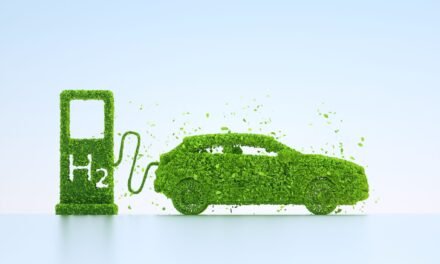
- Both sectors are increasingly focusing on sustainability, with the automobile industry advancing EVs and alternative fuels while the transportation sector adopts greener practices like eco-friendly logistics and smart public transit systems.
- Policy Influence: Government regulations targeting emissions and fuel efficiency affect both sectors, prompting collaboration to meet environmental goals.
5. Supply Chain and Logistics
- Interdependence: The transportation sector relies on vehicles from the automobile industry for efficient supply chain operations. In turn, the automobile industry depends on the transportation sector to distribute vehicles and components globally.
- Fleet Optimization: Technological integration, such as telematics and fleet management systems, is enhancing efficiency in the transportation sector and providing valuable data for automobile manufacturers to refine their designs.
6. Emerging Trends and Shared Evolution
- Shared Mobility: Trends like ride-sharing, car-sharing, and mobility-as-a-service (MaaS) are reshaping the landscape, requiring collaboration between the automobile industry and transportation service providers.
- Urban Mobility Solutions: The rise of smart cities is driving the integration of electric and autonomous vehicles into urban transportation networks, further linking the two sectors.
- Globalization and Trade: International trade and the need for just-in-time logistics push both sectors to innovate, particularly in commercial vehicle design and transportation planning.
7. Challenges and Opportunities
- Traffic Congestion: The increasing number of vehicles on the road challenges urban transportation systems, prompting collaboration on solutions like mass transit and autonomous vehicle adoption.
- Affordability and Accessibility: Both sectors aim to make mobility affordable and accessible, driving innovation in vehicle design and public transit systems.
- Resilience and Adaptability: Disruptions such as global supply chain challenges or fuel price volatility affect both sectors, necessitating joint strategies for resilience.
Conclusion
The automobile industry and the transportation sector are interdependent pillars of modern society, shaping how people and goods move across the globe. Together, they drive economic growth, technological innovation, and infrastructure development while tackling challenges like emissions and congestion. As the world shifts toward sustainability and advanced mobility solutions, their collaboration will be crucial in creating a future that is efficient, green, and accessible for all.
Hashtags
#AutoAndTransport #AutomotiveTransportLink #MobilityInnovation #AutoIndustryInTransport #TransportationAndAutomobiles #VehicleImpactOnTransport #CarAndTransportSector #AutomobilesForMobility #CarsAndLogistics #VehicleDrivenTransport #AutoIndustryInTransit #PassengerAndFreightVehicles #SmartMobilitySolutions #ConnectedTransport #InnovativeAutoTransport #InfrastructureAndAutomobiles #AutoTechInTransport #GreenTransportSolutions #SustainableMobility #EVsAndTransportation #EcoFriendlyTransport #CarbonNeutralMobility #CommercialVehiclesInTransport #LogisticsWithAutomobiles #FleetAndFreightVehicles #AutoTransportSolutions #HeavyDutyTransportVehicles