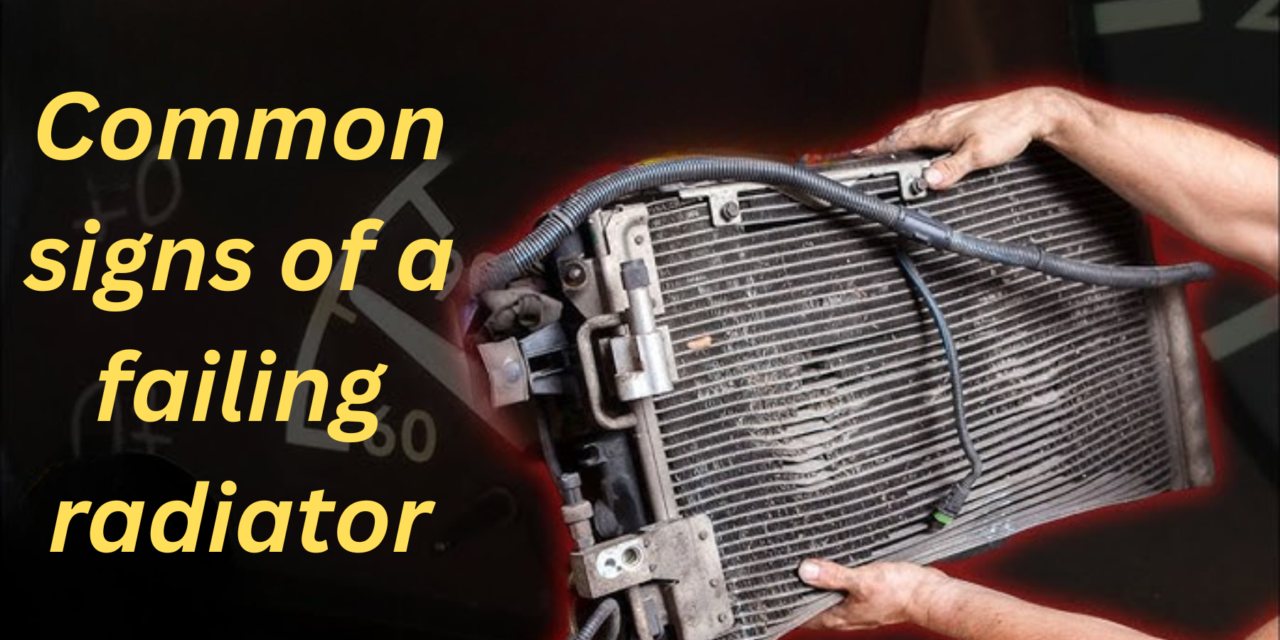
A failing radiator can lead to engine overheating, which can cause severe damage to the engine and other components of the cooling system. Recognizing the signs of a failing radiator early can help prevent more costly repairs and maintain the vehicle’s performance. Below are the common signs of a failing radiator and how they can be addressed:
Common Signs of a Failing Radiator
- Engine Overheating
- Symptoms:
- The engine temperature gauge on the dashboard reads higher than normal or reaches the “hot” zone.
- The engine warning light may illuminate.
- Cause: The radiator is unable to dissipate heat effectively, causing the engine to overheat.
- How to Address:
- Turn off the engine immediately to prevent damage.
- Check the coolant level in the radiator and overflow tank; if it’s low, top it off (ensure the engine is cool before opening the radiator cap).
- If the problem persists, have the radiator inspected for clogs, leaks, or other damage.
- Symptoms:
- Coolant Leaks
- Symptoms:
- Puddles or spots of coolant (usually a brightly colored liquid, such as green, orange, or pink) appear beneath the vehicle.
- Low coolant levels in the radiator or overflow tank.
- Cause: The radiator may have developed cracks, holes, or loose connections, causing coolant to leak out.
- How to Address:
- Inspect the radiator for visible cracks or damage.
- Check the hoses for signs of wear or cracks.
- Replace any damaged parts (radiator, hoses, or connections) and ensure that the coolant system is properly sealed.
- Symptoms:
- Discolored or Sludgy Coolant
- Symptoms:
- The coolant appears rusty, brown, or sludgy rather than the typical bright color (green, orange, or pink).
- The coolant may have an unusual or burnt smell.
- Cause: This can be caused by corrosion inside the radiator or contamination in the coolant.
- How to Address:
- Perform a coolant flush to clean out the radiator and replace the old coolant with fresh coolant.
- If the radiator is severely corroded, it may need to be replaced.
- Symptoms:
- Radiator Fan Not Working
- Symptoms:
- The cooling fan (whether electric or belt-driven) does not turn on when the engine reaches high temperatures.
- The engine may overheat, particularly when idling or in slow-moving traffic.
- Cause: A malfunctioning fan motor, relay, or wiring could prevent the fan from working, leading to poor heat dissipation.
- How to Address:
- Check the fan’s electrical connections, fuses, and the fan motor itself.
- Replace any faulty parts such as the motor, relay, or fuse.
- Symptoms:
- Radiator Making Strange Noises
- Symptoms:
- Unusual gurgling, hissing, or whistling noises coming from the radiator.
- Cause: Air trapped in the cooling system due to low coolant levels, or the radiator may be clogged with debris or sediment.
- How to Address:
- Bleed the cooling system to remove air bubbles.
- Inspect for any blockages or debris in the radiator and clean it out if necessary.
- Refill the coolant to the proper level to avoid air pockets in the system.
- Symptoms:
- Poor Heater Performance
- Symptoms:
- The vehicle’s heater blows out cool or lukewarm air instead of warm air, especially when the engine has been running for a while.
- Cause: If the radiator is not circulating coolant properly, it can affect the flow of warm coolant to the heater core, reducing its effectiveness.
- How to Address:
- Check the coolant level and top it off if low.
- Flush the radiator if necessary, as a build-up of sludge or debris could be blocking the heater core.
- Symptoms:
- Visible Damage or Corrosion on the Radiator
- Symptoms:
- Noticeable cracks, holes, or signs of corrosion (especially around the edges or mounting points).
- Cause: Physical damage due to road debris, age, or environmental factors (such as salt exposure in colder climates) can cause the radiator to deteriorate.
- How to Address:
- If the radiator has extensive visible damage or corrosion, it may need to be replaced.
- Minor cracks or leaks can sometimes be repaired, but in many cases, replacement is more effective and reliable.
- Symptoms:
How to Address Radiator Issues: General Steps
- Inspect and Top Off Coolant: Regularly check the coolant level in the radiator and overflow tank, and top it off with the appropriate coolant type if necessary.
- Check for Leaks: Look for visible leaks around the radiator, hoses, and connections. If coolant is leaking, replace or repair damaged parts immediately.
- Flush the Radiator: Perform a coolant flush at regular intervals (usually every 30,000 to 60,000 miles or as recommended by the manufacturer) to remove contaminants and prevent blockages.
- Clean or Replace the Radiator: If the radiator is clogged with debris or corrosion, cleaning or replacing it may be necessary to restore proper functionality.
- Repair or Replace the Radiator Fan: If the cooling fan isn’t working, check its electrical components and replace any faulty parts.
- Seek Professional Help: If you are unsure about diagnosing or addressing radiator problems, it’s best to have a professional mechanic inspect the system and perform repairs.
Conclusion
A failing radiator can cause serious engine overheating problems, leading to costly repairs if left unaddressed. By recognizing the signs of a failing radiator, such as overheating, coolant leaks, or poor heater performance, vehicle owners can take the necessary steps to address the issues before they escalate. Regular maintenance, including checking coolant levels, performing coolant flushes, and inspecting the radiator for damage, is crucial to ensuring the radiator and cooling system function properly.
Hashtags
#OverheatingEngine #RadiatorLeaks #CoolantLowWarning #EngineTemperatureHigh #RadiatorFluidLeaks #CoolantPuddleUnderCar #RustOnRadiator #FluctuatingCoolantTemperature #RadiatorNoise #HotAirFromHeater #SteamFromEngine #RadiatorDiagnosis #EngineOverheatingSymptoms #RadiatorCheckUp #CoolantLevelCheck #ThermostatFailureSigns #LeakingRadiatorCheck #RadiatorRepair #RadiatorReplacement #FixRadiatorLeaks #CoolantFlush #ReplaceRadiatorCore #RadiatorSealRepair #CarCoolingSystemRepair #PreventiveRadiatorMaintenance #RegularCoolingSystemCheck #RadiatorMaintenanceTips #FlushRadiatorRegularly #CoolingSystemInspection #RadiatorLongevity #ProperRadiatorCare #CoolingSystemHealth #RadiatorSystemPerformance #MaintainEngineCooling #TroubleshootRadiatorProblems #FixEngineOverheating #CoolantSystemSolution #AddressRadiatorLeaks #RadiatorRepairTips