Current trends in global electric vehicle (EV) sales reflect the growing momentum toward sustainable transportation and the transition to electric mobility. Key trends include:
1. Strong Growth in EV Sales
EV sales have seen exponential growth in recent years. As of 2023, global EV sales surpassed 10 million units annually, accounting for more than 15% of total vehicle sales worldwide. This growth is driven by increasing consumer demand for cleaner alternatives to internal combustion engine vehicles and supportive government policies.
2. Expansion of EV Market Share
EVs’ share of the global automotive market is expanding rapidly, with Europe, China, and the U.S. being key regions for this growth. China remains the largest EV market, while Europe has seen significant adoption, driven by stringent emission regulations and government incentives.
3. Increased Variety of EV Models
Automakers are increasingly offering a wider variety of EV models across all vehicle categories, including compact cars, SUVs, trucks, and luxury vehicles. This helps appeal to different customer segments, making EVs more accessible and attractive to a broader audience.
4. Growth of Affordable EV Options
There is a significant rise in affordable EV models, with several manufacturers focusing on producing electric cars in the $20,000-$30,000 range. This shift is aimed at making EVs more accessible to middle-income consumers, expanding the market beyond early adopters and luxury buyers.
5. Expansion of Charging Infrastructure
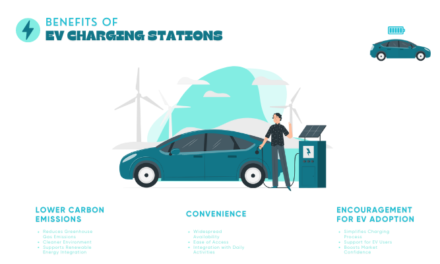
The rapid growth in global EV sales is accompanied by an expansion of charging infrastructure, with more charging stations being installed worldwide. This growth is essential to address range anxiety and improve the overall EV ownership experience.
6. Shift Toward Long-Range EVs
Consumers are increasingly opting for longer-range EVs, with many models offering over 300 miles per charge. This trend reflects the growing consumer desire for EVs that can compete with traditional vehicles in terms of range, reducing concerns about running out of battery power.
7. Increase in EV Fleet Adoption
Fleet operators, including ride-sharing services, delivery companies, and public transportation fleets, are adopting EVs at an increasing rate. This is due to cost savings, government incentives, and sustainability goals. Companies like Amazon, UPS, and major ride-hailing services are making significant investments in electric fleets.
8. Technological Advancements in Battery Technology
Ongoing advancements in battery technology are improving the performance, range, and affordability of EVs. Breakthroughs in solid-state batteries and faster charging capabilities are expected to further enhance the appeal of EVs in the coming years.
9. Government Incentives and Policies
Governments worldwide continue to implement strong policies and incentives to promote EV adoption. These include tax credits, rebates, and grants, as well as stringent emission regulations that encourage automakers to shift production toward electric models.
10. Rising Interest in Used EVs
The market for used EVs is growing, driven by decreasing prices, increased availability, and greater consumer confidence in the longevity and reliability of used electric vehicles. This trend makes EVs more accessible to a wider range of buyers, especially those who may not be able to afford new models.
11. Electric Commercial Vehicles (EVs)
There is growing interest in electric commercial vehicles, including delivery vans, buses, and trucks. Major logistics companies are increasingly integrating EVs into their fleets as part of sustainability goals and to comply with regulations on emissions.
Global EV sales are experiencing robust growth due to expanding vehicle options, technological advancements, supportive policies, and the growing availability of charging infrastructure. These trends point to a sustainable shift in the automotive industry towards electric mobility, supported by both consumer demand and governmental action.