Emerging trends in automotive technology, such as autonomous driving and connectivity, are rapidly transforming the automotive industry, paving the way for a future that is safer, more efficient, and increasingly integrated with digital systems. Below are some of the key trends shaping the future of the automotive world:
1. Autonomous Driving
Autonomous or self-driving vehicles (AVs) are one of the most exciting and disruptive trends in the automotive industry. The development of AV technology is being led by both traditional automakers and tech companies. Key aspects of this trend include:
- Levels of Autonomy: Autonomous driving is categorized into levels from 0 (no automation) to 5 (full automation). At level 5, a vehicle is completely autonomous and requires no human intervention. Currently, most autonomous systems in production are at level 2 or 3, where the vehicle can handle certain driving tasks, but the driver must remain alert and ready to take control.
- Sensors and AI: Autonomous vehicles rely heavily on a combination of sensors (e.g., LiDAR, radar, cameras) and artificial intelligence (AI) algorithms to perceive their environment, make decisions, and navigate safely. These technologies enable the vehicle to detect obstacles, recognize road signs, understand traffic patterns, and make driving decisions in real-time.
- V2X Communication: Vehicle-to-everything (V2X) communication is a critical aspect of autonomous driving, allowing vehicles to communicate with each other, infrastructure (e.g., traffic lights), and even pedestrians. V2X technology can help improve safety, optimize traffic flow, and enable fully autonomous vehicles to navigate complex urban environments.
- Challenges: Despite rapid advancements, full autonomy is still a challenge due to issues related to safety, regulatory frameworks, public trust, and the unpredictability of real-world driving conditions. Legal and ethical concerns about responsibility in case of accidents also need to be addressed before wide-scale deployment.
2. Electric Vehicles (EVs) and Electrification
The shift to electric vehicles is one of the most significant technological trends in the automotive industry. This shift is driven by the need to reduce carbon emissions, combat climate change, and improve energy efficiency.
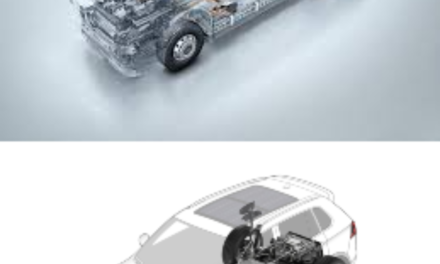
- Battery Technology: Advances in battery technology, particularly lithium-ion and solid-state batteries, are central to the growth of EVs. These batteries are becoming more energy-dense, allowing EVs to travel longer distances on a single charge and reducing the charging time. Improvements in charging infrastructure are also supporting the transition to EVs.
- Charging Networks: The expansion of public and private charging stations is crucial for the widespread adoption of EVs. Automakers are collaborating with energy companies to build fast-charging networks, making long-distance travel easier for EV owners. Wireless charging and ultra-fast chargers are expected to revolutionize the EV charging experience.
- Energy Management and Smart Charging: Emerging technologies like smart grids and energy management systems will allow EVs to be integrated into the broader energy ecosystem, optimizing charging times and energy use. EVs can also serve as energy storage devices, enabling vehicle-to-grid (V2G) technology, where vehicles supply power back to the grid during peak demand periods.
- Sustainability: Manufacturers are focusing on sustainable sourcing of materials, such as lithium and cobalt, used in EV batteries. Additionally, efforts are being made to reduce the environmental impact of vehicle manufacturing and improve recycling systems for EV batteries at the end of their life.
3. Connectivity and the Internet of Things (IoT)
The integration of vehicles into the Internet of Things (IoT) ecosystem is transforming how vehicles interact with their surroundings and provide a connected experience for drivers. Key aspects include:
- Infotainment Systems: In-car entertainment and navigation systems have evolved with smartphones, offering seamless connectivity to apps, music, and navigation tools. Manufacturers are integrating platforms like Android Auto and Apple CarPlay, allowing for smoother integration of mobile devices with vehicle systems.
- Over-the-Air (OTA) Updates: Automakers are adopting over-the-air software updates, which allow vehicle manufacturers to update vehicle systems, including infotainment, navigation, safety features, and performance improvements, remotely. This reduces the need for vehicle recalls and enhances the consumer experience by keeping vehicles up-to-date.
- Connected Car Ecosystem: Connectivity extends beyond infotainment. Cars are becoming part of a larger network, where data is exchanged between vehicles, infrastructure (e.g., traffic lights, parking meters), and third-party services. This connectivity can improve traffic management, provide real-time information to drivers, and help optimize routes.
- Telematics and Fleet Management: In the commercial sector, connected vehicles are revolutionizing fleet management. Telematics systems provide real-time data on vehicle location, performance, and fuel efficiency. This helps companies optimize routes, monitor driver behavior, and improve safety.
4. Advanced Driver Assistance Systems (ADAS)
ADAS includes a range of technologies designed to enhance vehicle safety and assist drivers in specific tasks. These systems are seen as steps toward full autonomy. Key ADAS technologies include:
- Adaptive Cruise Control: This system adjusts the vehicle’s speed to maintain a safe following distance from the vehicle ahead, reducing driver workload during highway driving.
- Lane-Keeping Assist: Lane-keeping assist uses sensors and cameras to detect lane markings and can steer the vehicle back into the lane if it drifts unintentionally.
- Automatic Emergency Braking (AEB): AEB uses sensors to detect obstacles in the vehicle’s path and automatically applies the brakes to prevent or mitigate a collision.
- Blind Spot Detection: This system alerts the driver when another vehicle is in their blind spot, helping to avoid accidents when changing lanes.
- Parking Assistance and Autonomous Parking: Advanced parking assist technologies help drivers park by automatically steering the vehicle into a parking spot, often with minimal input from the driver.
5. Artificial Intelligence (AI) and Machine Learning
AI and machine learning are playing a crucial role in improving vehicle performance, safety, and user experience.
- Personalized In-Car Experience: AI-powered systems are being used to enhance the in-car experience by learning driver preferences and adjusting settings such as temperature, seating position, and infotainment content automatically.
- Predictive Maintenance: AI can be used to predict vehicle issues before they occur by analyzing data from sensors and monitoring systems. Predictive maintenance helps reduce downtime, improve vehicle reliability, and extend the life of the vehicle.
- Enhanced Safety Features: AI is also being used in advanced safety features, such as facial recognition for driver monitoring, which can detect drowsiness or distraction and alert the driver.
6. Mobility as a Service (MaaS) and Shared Mobility
The concept of “mobility as a service” (MaaS) refers to the shift away from traditional car ownership toward shared transportation services. This includes ride-hailing services (e.g., Uber, Lyft), car-sharing services, and micro-mobility options (e.g., scooters, bikes).
- Electric and Autonomous Shared Vehicles: The convergence of autonomous driving and shared mobility is expected to significantly impact the future of transportation. Companies are exploring electric and autonomous fleets to reduce operational costs and increase service availability, particularly in urban areas.
- Smart Cities and Integration: The growth of MaaS is closely tied to the development of smart cities, where transportation networks are digitally integrated to optimize traffic flow, reduce congestion, and provide a more efficient, sustainable urban mobility ecosystem.
7. 3D Printing and Customization
3D printing is beginning to play a role in vehicle manufacturing, offering the ability to rapidly produce complex parts with reduced waste and cost.
- Prototyping and Manufacturing: Automakers use 3D printing for prototyping and creating custom parts. This technology reduces the time and cost associated with traditional manufacturing processes.
- On-Demand Parts and Customization: 3D printing could allow for on-demand production of spare parts, reducing the need for large inventories and improving the availability of parts for older or rare vehicle models. It also offers opportunities for greater customization in vehicle design.
8. Hydrogen Fuel Cells
While electric vehicles dominate the electrification trend, hydrogen fuel cells are also emerging as a viable alternative, particularly for large vehicles like trucks and buses.
- Hydrogen-Powered Vehicles: Hydrogen fuel cell vehicles (FCVs) use hydrogen gas to generate electricity, emitting only water vapor as a byproduct. They offer fast refueling times and longer ranges compared to some battery electric vehicles, making them suitable for heavy-duty applications such as trucks, buses, and long-haul transportation.
Conclusion
The automotive industry is undergoing a period of profound transformation, driven by advancements in autonomous driving, electrification, connectivity, and AI. These emerging technologies are not only improving vehicle performance and safety but also reshaping how consumers interact with vehicles and how transportation systems are organized globally. While challenges remain—such as regulatory hurdles, infrastructure development, and public acceptance—these innovations are setting the stage for a more sustainable, efficient, and connected future in mobility.
Hashtags
#AutonomousVehicles #SelfDrivingCars #AutonomousDriving #DriverlessCars #FutureOfDriving #AIInCars #AutonomousTech #SelfDrivingTechnology #AutonomousCars2025 #SmartDriving #ConnectedCars #VehicleConnectivity #V2X #IoTInCars #CarTech #CarConnectivity #SmartCars #5GInCars #ConnectedVehicleTechnology #Telematics #ConnectedDriving #InCarTechnology #ADAS #DriverAssistanceSystems #ActiveSafety #LaneAssist #AdaptiveCruiseControl #AutopilotTechnology #EmergencyBraking #CollisionAvoidance #ParkingAssist #EVTech #ElectricVehicleTechnology #ElectricCars #ElectricVehicleCharging