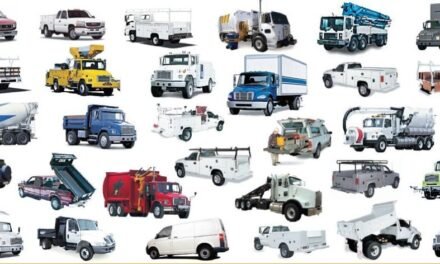
The powertrains of passenger cars and heavy-duty trucks differ significantly due to their distinct performance requirements, usage, and engineering designs. While both types of vehicles share basic components like engines, transmissions, and drivetrains, the key differences lie in the size, power output, fuel efficiency, and design considerations that cater to the specific needs of each category of vehicle. Below are the main differences between the powertrains of passenger cars and heavy-duty trucks:
1. Engine Type and Size
- Passenger Cars:
- Engine Size: Passenger cars generally feature smaller engines compared to heavy-duty trucks. Most common engines range from 1.0 to 3.5 liters, though some high-performance vehicles may use larger engines (e.g., V6, V8).
- Power Output: Engines in passenger vehicles typically produce between 100 to 400 horsepower depending on the car’s size and purpose.
- Fuel Type: Most passenger cars are powered by gasoline or diesel, though there is a growing shift to electric powertrains in modern cars (e.g., Tesla, Nissan Leaf).
- Heavy-Duty Trucks:
- Engine Size: Heavy-duty trucks are equipped with much larger engines, typically in the 9 to 15-liter range or more. These engines are designed to provide the high torque needed for hauling large loads over long distances.
- Power Output: The engines in heavy-duty trucks can produce 400 to 600+ horsepower, with some high-performance trucks even exceeding 1,000 horsepower (such as in heavy-duty freightliners or semi-trucks).
- Fuel Type: These vehicles predominantly run on diesel fuel, though natural gas and electric powertrains are becoming more common in certain applications.
2. Torque and Performance
- Passenger Cars:
- Passenger cars are designed for speed and efficiency on urban roads and highways. As such, their engines are optimized for higher revolutions per minute (RPM) and quick acceleration, with a focus on optimizing fuel efficiency and emission reductions.
- The torque output in passenger cars is typically 150 to 400 lb-ft, depending on the engine type (e.g., 4-cylinder, V6, V8).
- Heavy-Duty Trucks:
- Heavy-duty trucks rely heavily on high torque at lower RPMs for efficient hauling and towing. This is crucial for moving large loads, including cargo or trailers, over long distances and across hilly or rugged terrain.
- The torque output in these trucks can range from 1,000 to 2,000 lb-ft or more. Diesel engines, especially, are preferred for their ability to provide substantial torque at low RPMs, ensuring consistent power delivery when hauling heavy loads.
3. Transmission and Gear Ratios
- Passenger Cars:
- Passenger vehicles commonly use automatic or manual transmissions with fewer gears (typically 4 to 10 gears). The gear ratios are designed for smooth acceleration, fuel efficiency, and performance in everyday driving.
- Many modern passenger cars, especially with automatic transmissions, now use continuously variable transmissions (CVT) that provide a seamless driving experience and optimize fuel economy.
- Heavy-Duty Trucks:
- Heavy-duty trucks utilize manual transmissions with more gears (often 10 to 18 gears or more). This allows for better control over engine performance when pulling heavy loads, especially when climbing steep grades or maneuvering at low speeds.
- The gear ratios in trucks are designed for high-torque delivery and load management. Automated manual transmissions (AMTs) are becoming more common in heavy trucks, offering the best of both worlds — the control of a manual transmission with the convenience of automatic shifting.
4. Drivetrain and Axles
- Passenger Cars:
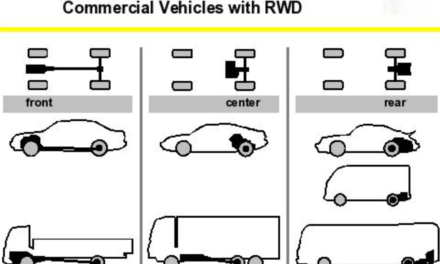
- Most passenger vehicles use front-wheel drive (FWD), rear-wheel drive (RWD), or all-wheel drive (AWD) configurations. The drivetrain layout is generally designed for performance, handling, and efficiency for everyday use.
- Power is delivered to one or two axles, and the vehicles typically have two or four-wheel drive capabilities.
- Heavy-Duty Trucks:
- Heavy-duty trucks almost always feature rear-wheel drive (RWD) or all-wheel drive (AWD). Many semi-trucks or tractor-trailers have dual rear axles or even tri-axles (with multiple rear axles) to distribute the weight of heavy loads.
- These axles are designed for load-bearing and torque transfer to the rear wheels. The rear axles in trucks often have higher load capacities to handle the significant weight of the truck and cargo.
5. Fuel Efficiency
- Passenger Cars:
- Fuel efficiency in passenger cars is a key design consideration, with many vehicles designed to achieve high miles per gallon (MPG) for economical daily driving. Modern passenger cars often aim for 30 to 60 MPG, with electric vehicles achieving much higher efficiency in terms of miles per kilowatt-hour (kWh).
- Hybrid and electric cars are often more fuel-efficient than traditional gasoline or diesel vehicles.
- Heavy-Duty Trucks:
- Fuel efficiency is less about maximizing miles per gallon and more about optimizing operating costs per ton-mile. Trucks consume more fuel due to the heavy loads they carry and the higher power output required for hauling.
- The fuel efficiency of heavy-duty trucks is typically lower, ranging from 6 to 10 MPG depending on the weight and design of the truck, but improvements are being made with fuel-efficient engines, aerodynamic designs, and alternative fuels.
6. Emissions and Environmental Considerations
- Passenger Cars:
- Passenger vehicles, especially those running on gasoline or electric powertrains, are subject to strict emissions regulations to reduce pollutants like carbon dioxide (CO2), nitrogen oxides (NOx), and particulate matter. Modern passenger cars are increasingly adopting hybrid or electric powertrains to lower emissions.
- Electric vehicles (EVs) are gaining popularity in passenger vehicles due to zero tailpipe emissions and lower environmental impact.
- Heavy-Duty Trucks:
- Heavy-duty trucks traditionally rely on diesel engines, which produce higher levels of emissions than gasoline engines. However, advancements in diesel engine technology, such as the use of SCR (Selective Catalytic Reduction) systems, DEF (Diesel Exhaust Fluid), and DPF (Diesel Particulate Filters), have helped reduce emissions significantly.
- There is an increasing trend toward electric trucks (such as Tesla’s Semi and others), as well as natural gas-powered trucks, to reduce the carbon footprint of the freight industry.
7. Durability and Longevity
- Passenger Cars:
- Passenger car powertrains are designed for daily use and lighter loads. They are built to last for an average of 150,000 to 250,000 miles depending on maintenance, but they are not built to endure the high stresses of heavy hauling or long-distance freight transport.
- Heavy-Duty Trucks:
- The powertrains of heavy-duty trucks are built for heavy-duty use and are designed for extreme durability. These trucks are often used in operations that demand high mileage (over 500,000 to 1,000,000 miles) and long operating hours. Components like the engine, transmission, and driveline are robust and engineered to handle the heavy workloads without failure.
Conclusion
The powertrain differences between passenger cars and heavy-duty trucks are primarily driven by the different purposes and demands of these vehicles. Passenger cars are designed for efficiency, speed, and comfort, with smaller engines, fewer gears, and a focus on fuel economy. In contrast, heavy-duty trucks prioritize torque, load-bearing capacity, durability, and long-distance performance, requiring larger, more powerful engines, specialized transmissions, and robust drivetrains. These powertrain differences are a reflection of the unique roles these vehicles play in the transportation and logistics sectors.
Hashtags
#PassengerCarVsTruckPowertrain #PowertrainDifferences #HeavyDutyTruckPowertrain #CarVsTruckEngines #PowertrainDesign #HeavyDutyVsPassengerPowertrain #TruckEngines #DieselEnginesInTrucks #GasolineEnginesInCars #TurbochargedEngines #ElectricTruckEngines #ElectricPassengerCars #HybridEnginesInCars #ElectricPowertrainForTrucks #TorqueInTrucks #TruckEngineTorque #PassengerCarPower #HeavyDutyTorque #TruckPerformance #PowerfulTruckEngines #PassengerCarPerformance #DieselTrucks #DieselVsGasoline
#ElectricHeavyDutyTrucks #ElectricVsGasoline #HybridPassengerVehicles #AlternativeFuelTrucks #ManualVsAutomaticTransmission
#AutomaticTransmissionsInCars #TruckTransmission #HeavyDutyTransmission #SemiAutomaticTruckTransmissions #MultiSpeedTruckTransmissions