Motorcycles and cars each come with distinct safety concerns, primarily due to the differences in vehicle design, speed capabilities, and the level of protection offered to the occupants. Here’s a comparison of the primary safety concerns for motorcycles and cars:
Primary Safety Concerns for Motorcycles
- Lack of Physical Protection:
- Vulnerability: Unlike cars, which have a protective metal frame, airbags, and a crumple zone, motorcyclists are exposed to the environment. In the event of a crash, the rider has minimal protection, which increases the risk of injury or death.
- Risk of Ejection: Riders are more likely to be thrown from their motorcycle in an accident, which can lead to severe injuries due to the lack of seatbelts or other restraints.
- Increased Risk of Falling:
- Loss of Stability: Motorcycles are inherently less stable than cars. Factors like wet or slippery roads, uneven surfaces, or sharp turns can easily cause a motorcycle to fall over, leading to serious injuries for the rider.
- Handling and Balance: Riders must maintain balance and control, and if they lose focus or encounter sudden obstacles, they are at a higher risk of losing control and falling off the bike.
- Visibility Issues:
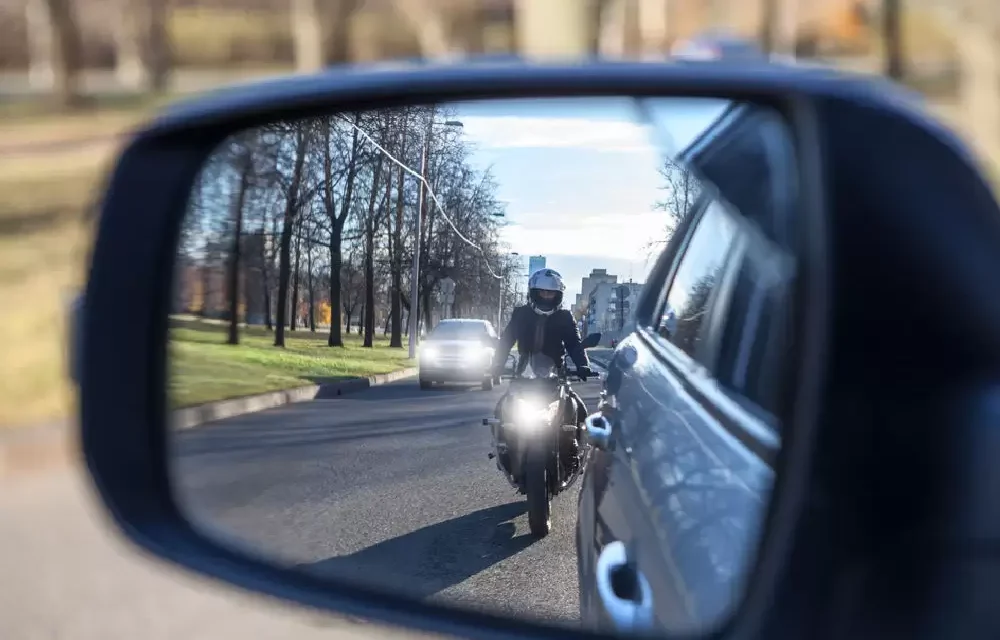
- Limited Visibility: Motorcycles are smaller and less visible to other drivers, especially in traffic or from blind spots. This increases the risk of collisions, particularly when changing lanes or making turns.
- Headlights: While motorcycles have headlights, their size and position make it harder for other drivers to detect them, especially at night or in low-visibility conditions.
- Weather and Road Conditions:
- Vulnerability to Weather: Motorcycles are more affected by adverse weather conditions such as rain, snow, or strong winds. Wet or icy roads significantly increase the chances of losing control, while hot weather can cause dehydration or fatigue, which can affect concentration.
- Rough Terrain: Motorcycles are more sensitive to potholes, gravel, or uneven surfaces, which can destabilize the rider and lead to accidents.
- Lack of Safety Features:
- Absence of Airbags: Motorcycles do not come with airbags, which are standard in cars. In the event of a crash, the rider has no cushioning to protect against impact.
- Limited Crash Protection: In a motorcycle accident, the rider’s body absorbs much of the impact, which increases the likelihood of injury, especially if the rider is not wearing protective gear.
- Inexperience and Rider Behavior:
- Inexperienced Riders: Novice riders may lack the skills and knowledge needed to navigate different driving conditions or avoid hazards. Lack of training can result in dangerous riding behaviors.
- Speeding and Recklessness: Motorcyclists are often more likely to engage in risky behaviors such as speeding, weaving in and out of traffic, or not following traffic laws, which increase the chances of accidents.
Primary Safety Concerns for Cars
- Risk of Collisions with Other Vehicles:
- Multi-Vehicle Accidents: Cars are involved in accidents with other vehicles, which can be fatal or cause serious injuries. While modern cars offer better protection than motorcycles, multi-vehicle accidents still pose significant dangers, especially in high-speed crashes.
- T-bone and Side-Impact Collisions: A significant concern in car accidents is side-impact (T-bone) crashes, which can be particularly deadly for the driver and passengers if the impact occurs on the side of the vehicle without sufficient protection.
- Rollovers:
- Risk of Rollover Accidents: Though less common, cars are still at risk of rolling over during high-speed accidents or crashes involving sharp turns. Rollovers can result in severe injury or death, especially if the vehicle lacks appropriate safety features such as side-curtain airbags or stability control systems.
- Driver Distraction and Fatigue:
- Distracted Driving: In-car distractions, such as texting, talking on the phone, or interacting with in-car entertainment systems, are leading causes of accidents. A moment of inattention can result in collisions, especially at high speeds.
- Fatigue: Driver fatigue, particularly on long trips, can impair reaction times and decision-making, increasing the likelihood of accidents.
- Weather and Road Conditions:
- Poor Road Conditions: While cars are more stable than motorcycles, road conditions still affect car safety. Potholes, uneven surfaces, and obstacles can cause accidents, especially when driving at higher speeds.
- Weather Impact: Weather conditions such as rain, snow, or fog significantly affect visibility and road traction, increasing the risk of accidents. While cars are equipped with systems like ABS (anti-lock braking systems) and traction control, extreme weather can still compromise safety.
- Passenger Safety:
- Seatbelts and Airbags: While seatbelts and airbags offer significant protection, not all car occupants use them correctly, which increases the risk of injury or death in an accident. The risk of injury is higher if passengers are not properly secured.
- Child Safety: Car safety is especially important for children, and failure to use child safety seats or booster seats correctly can lead to serious injuries during an accident.
- Vehicle Blind Spots:
- Larger Blind Spots: Cars have larger blind spots compared to motorcycles, particularly in the rear and side areas. These blind spots can lead to accidents if drivers fail to check them before changing lanes or making turns.
- Pedestrian and Cyclist Awareness: Drivers in cars may not always be as aware of pedestrians, cyclists, or motorcyclists around them, leading to accidents. Lack of vigilance is a common cause of collisions.
Conclusion
Motorcycles present a higher risk of injury or fatality in accidents due to the lack of physical protection, higher vulnerability to falls, and environmental exposure. However, they are more agile and fuel-efficient, making them a practical choice for urban commuting.
Cars, on the other hand, offer greater protection through safety features like airbags, seat belts, and crumple zones. While cars are less vulnerable to falls and environmental hazards, they still face risks such as multi-vehicle collisions, rollovers, and distracted driving.
Both vehicles have unique safety challenges, but the level of protection and risks involved differ significantly, with cars generally offering better safety in terms of physical protection and stability.
Hashtags
#MotorcycleSafetyVsCarSafety #MotorcycleSafetyConcerns #CarSafetyVsMotorcycleSafety #MotorcycleAccidents #VehicleSafetyComparison #MotorcycleVsCarCrashRisk #MotorcycleRiderProtection #CarCrashSafety #MotorcycleCrashRisk #MotorcycleProtectiveGear #HelmetSafety #MotorcycleSafetyGear #CarSafetyFeatures #ProtectiveGearForMotorcycles #MotorcycleSafetyMeasures #CarSafetyTech #SafetyFeaturesForMotorcycles #MotorcycleVulnerability #CarVsMotorcycleVulnerability #MotorcycleExposureToAccidents #RiderVsDriverVulnerability #MotorcycleVsCarImpact #MotorcycleCrashInjuryRisk #MotorcycleRoadSafety #CarRoadSafety #MotorcycleSafetyOnRoads #TrafficAccidentsAndMotorcycles #CarAccidentPrevention #MotorcycleAccidentPrevention #UrbanMotorcycleSafety #MotorcycleInjuryRisk