Fleet management plays a critical role in the transportation industry by overseeing and optimizing the operations of a company’s vehicle fleet. It involves the efficient management of vehicles, drivers, and logistics to improve safety, reduce operational costs, enhance productivity, and ensure compliance with regulatory standards. Here’s a detailed look at the key roles of fleet management in transportation:
1. Optimizing Fleet Operations
- Vehicle Utilization: Fleet management ensures that vehicles are utilized efficiently, avoiding underused or idle vehicles while maximizing the operational capacity of the fleet. This helps reduce operational costs and increase profitability.
- Route Planning and Optimization: Advanced fleet management systems use GPS and route optimization software to plan the most efficient routes for drivers, considering factors like traffic, weather conditions, road closures, and delivery schedules. This reduces travel time, fuel consumption, and vehicle wear.
- Scheduling: Proper scheduling ensures that vehicles are available when needed while reducing downtime. This helps maintain a consistent delivery schedule, especially in industries like logistics and e-commerce.
2. Maintenance and Vehicle Health
- Preventive Maintenance: Fleet management systems track vehicle health and schedule regular maintenance to prevent breakdowns and costly repairs. Routine checks for tires, brakes, engines, and other components help avoid unexpected disruptions to operations.
- Repairs and Inspections: Fleet managers ensure that vehicles are regularly inspected for safety compliance, quality control, and regulatory requirements. This helps improve safety and extend the lifespan of vehicles in the fleet.
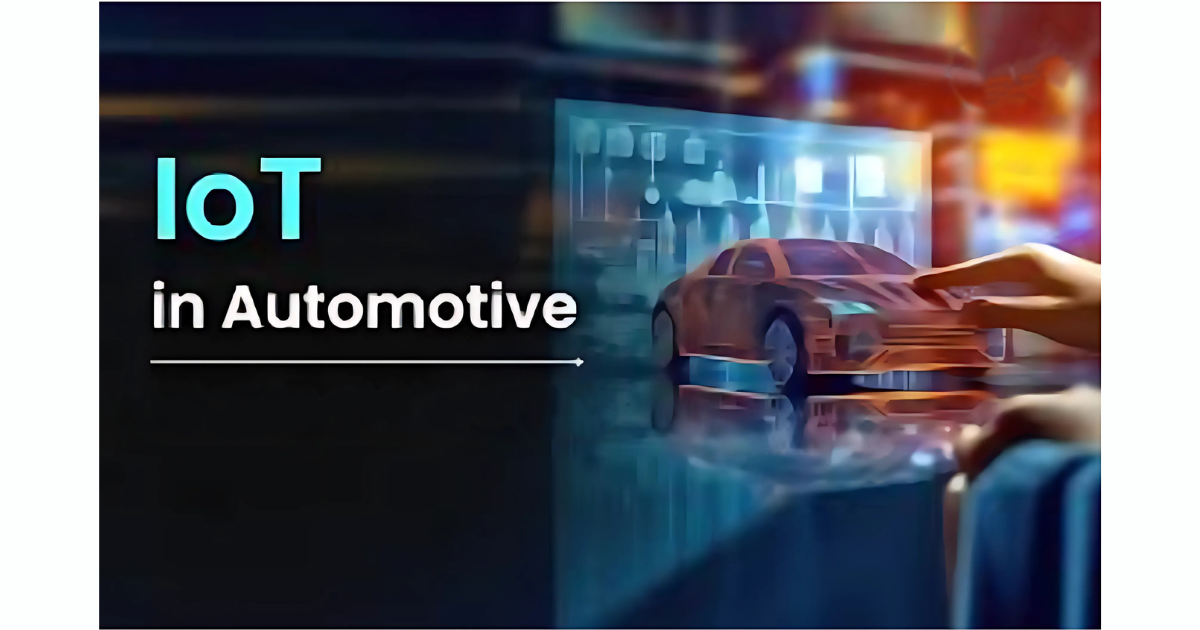
- Predictive Maintenance: Advanced telematics and IoT-based systems enable predictive maintenance, where fleet managers can anticipate potential issues based on real-time data, reducing the risk of vehicle breakdowns.
3. Cost Management and Efficiency
- Fuel Management: Fleet management systems track fuel usage and identify inefficient driving behaviors such as idling, speeding, or aggressive acceleration. This helps reduce fuel consumption, lower costs, and improve overall fleet efficiency.
- Expense Tracking: Fleet managers track all expenses related to the fleet, including fuel, maintenance, insurance, and repairs. This allows for better financial planning and cost-cutting strategies.
- Insurance and Compliance: Fleet management involves managing the fleet’s insurance policies to ensure adequate coverage and cost-effective premiums. It also ensures that vehicles comply with all local, state, and federal regulations regarding emissions, licensing, and safety.
4. Driver Management
- Driver Safety and Training: Fleet management helps monitor driver behavior and ensures drivers follow best practices for safety, such as using seat belts, obeying speed limits, and avoiding distractions. Managers can use telematics data to offer driver feedback and training to reduce accidents and improve safety.
- Driver Scheduling: Fleet managers ensure that drivers work within legal limits for hours of service (HOS) and rest periods, helping to prevent fatigue and ensuring compliance with labor regulations.
- Driver Accountability: By monitoring driver performance and providing performance feedback, fleet managers can enhance accountability, improving the overall performance of the transportation team.
5. Regulatory Compliance
- Adherence to Laws and Regulations: Fleet management ensures that vehicles comply with industry-specific regulations, including emissions standards, licensing requirements, weight limits, and safety regulations. This is especially critical in industries like commercial transport, where non-compliance can lead to heavy fines.
- Electronic Logging Devices (ELDs): Fleet management systems help ensure that drivers are using ELDs to log their hours of service, improving compliance with regulations governing driver work hours and preventing fatigue-related accidents.
6. Real-Time Monitoring and Reporting
- Telematics and GPS Tracking: Fleet management systems provide real-time tracking of vehicles, allowing fleet managers to monitor vehicle locations, speed, fuel levels, and engine performance. This data helps improve route planning, track deliveries, and monitor vehicle health.
- Performance Analytics: Fleet managers use telematics data to analyze trends and performance metrics, identifying areas for improvement in operations. Reports can include fuel consumption trends, maintenance schedules, accident records, and driver performance evaluations.
7. Environmental and Sustainability Initiatives
- Reducing Emissions: Fleet management systems help companies track and reduce the carbon footprint of their operations by encouraging the use of fuel-efficient vehicles and optimizing routes to reduce emissions. Some fleet managers also oversee the transition to electric or hybrid vehicles to align with sustainability goals.
- Alternative Fuel Vehicles: Fleet managers may implement strategies to incorporate alternative fuel vehicles (such as electric, natural gas, or hydrogen-powered vehicles) into the fleet, reducing reliance on fossil fuels and lowering environmental impact.
8. Enhancing Customer Service
- Improved Delivery Times: By optimizing routes, scheduling, and vehicle usage, fleet management helps improve the efficiency of deliveries, leading to faster response times and better customer satisfaction.
- Real-Time Updates: Fleet management provides customers with real-time tracking and updates on deliveries, helping build trust and transparency with clients.
- Service Consistency: Consistently maintained vehicles and efficient driver management ensure that deliveries are made on time, improving overall service reliability.
9. Vehicle Acquisition and Lifecycle Management
- Fleet Acquisition: Fleet management is responsible for acquiring new vehicles for the fleet, including selecting the right type of vehicle, purchasing, and financing options. Decisions are made based on the business’s needs, budgets, and future growth plans.
- Asset Lifespan and Disposal: Fleet managers track the lifespan of vehicles in the fleet and make decisions about when to sell, replace, or retire vehicles. This process helps optimize fleet size and manage costs effectively.
10. Technology and Innovation
- Automation and AI: Some fleet management systems now use artificial intelligence (AI) and automation to improve route planning, maintenance scheduling, and even driver behavior monitoring. This allows companies to enhance operational efficiency and reduce human error.
- Electric Vehicles (EVs): As the transportation industry shifts toward more sustainable solutions, fleet management incorporates electric vehicles into the fleet. This requires careful planning of charging infrastructure, range monitoring, and cost management.
Conclusion
Fleet management is essential in the transportation industry as it ensures that a company’s vehicles operate efficiently, safely, and cost-effectively. By optimizing vehicle usage, monitoring performance, ensuring regulatory compliance, and improving driver safety, fleet management enhances the overall operational effectiveness of logistics and transport companies. As technology continues to evolve, fleet management systems will become even more advanced, incorporating automation, AI, and sustainability initiatives to drive future growth and efficiency in the transportation sector.
Hashtags
#FleetManagement #FleetOperations #TransportFleetManagement #FleetEfficiency #FleetOptimization #FleetSolutions #FleetTech #CostEffectiveFleetManagement #FleetEfficiencySolutions #FleetCostSavings #OptimizedFleetOperations #FuelEfficiencyInFleet #FleetPerformance #FleetTrackingTech #TelematicsInFleetManagement #RealTimeFleetTracking #FleetDataAnalytics #FleetManagementSoftware #ConnectedFleet #FleetTelematics #FleetMaintenance #VehicleMaintenanceManagement #FleetSafety #FleetHealthCheck #PreventiveFleetMaintenance #FleetSafetyFirst #FleetReliability