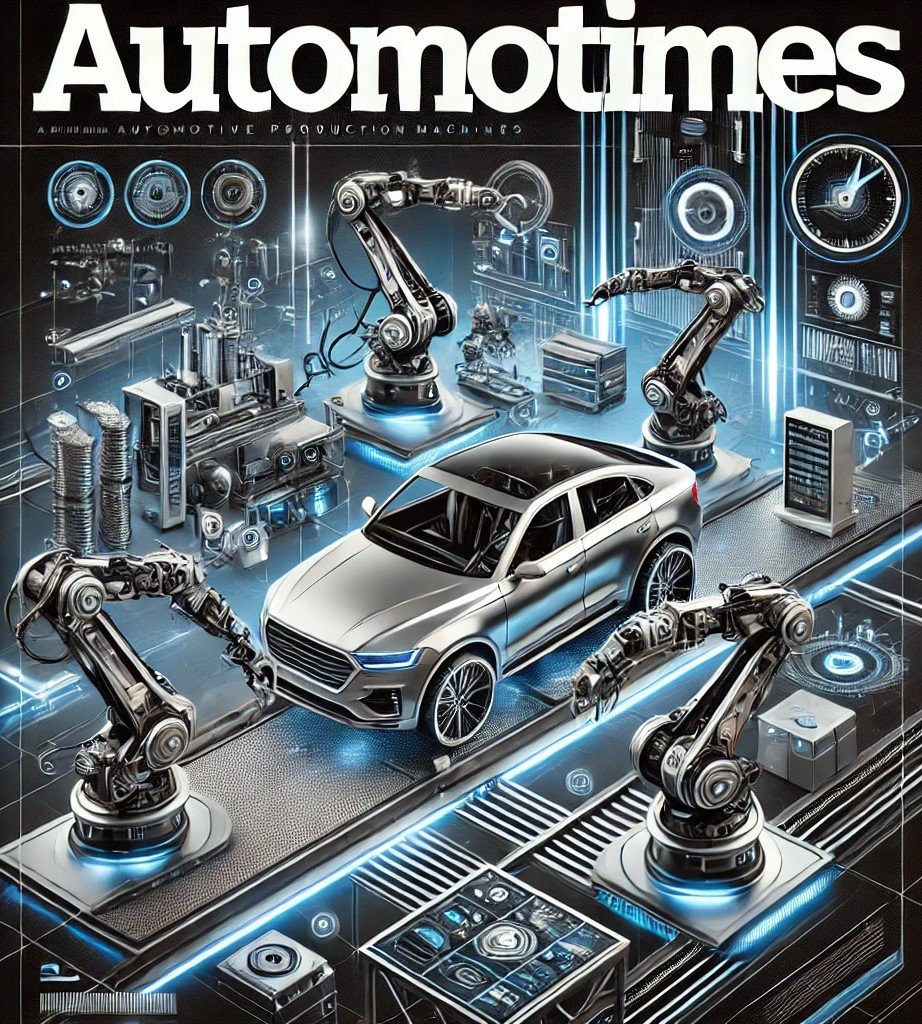
Smart factories and Industry 4.0 technologies are transforming the automotive industry by introducing advanced manufacturing processes and fostering innovation. Here’s how:
1. Automation and Efficiency
- Role: Robots and automated systems streamline tasks like welding, painting, and assembly.
- Impact: Reduces production time, minimizes human error, and lowers operational costs.
2. Real-Time Monitoring
- Role: IoT sensors collect data on machinery and processes in real time.
- Impact: Improves efficiency by identifying bottlenecks, optimizing workflows, and reducing downtime.
3. Predictive Maintenance
- Role: AI and analytics predict equipment failures before they occur.
- Impact: Reduces unplanned stoppages and maintenance costs, ensuring continuous production.
4. Enhanced Quality Control
- Role: Computer vision and machine learning inspect components and finished products.
- Impact: Detects defects early, ensuring high-quality standards and reducing waste.
5. Supply Chain Integration
- Role: Smart factories connect with suppliers and logistics systems for seamless coordination.
- Impact: Enhances inventory management, reduces lead times, and lowers costs.
6. Customization and Flexibility
- Role: Flexible production lines adapt to varying vehicle designs and customer demands.
- Impact: Enables mass customization and faster response to market trends.
7. Sustainability and Resource Optimization
- Role: Energy-efficient technologies and waste reduction practices are integrated into manufacturing.
- Impact: Promotes environmentally friendly production and lowers energy costs.
8. Digital Twins and Prototyping
- Role: Virtual simulations replicate production processes and vehicle designs.
- Impact: Speeds up innovation, reduces prototyping costs, and improves product development.
Smart factories and Industry 4.0 enable the automotive industry to achieve higher productivity, enhanced product quality, and adaptability to consumer demands, driving the future of manufacturing.