The transmission system in a vehicle plays a critical role in controlling the power generated by the engine and delivering it to the wheels. It does this by changing the gears, which determines the speed and torque at which the wheels rotate. The transmission system allows the vehicle to operate efficiently across various driving conditions, including different speeds and loads. The transmission is essentially responsible for ensuring that the engine operates at the most efficient RPM (revolutions per minute) while providing the required power to the wheels.
Role of the Transmission System
- Power Transfer: The transmission transmits the engine’s power to the wheels, enabling the vehicle to move.
- Gear Ratio Adjustment: By shifting gears, the transmission adjusts the engine’s output to match the vehicle’s speed. Lower gears provide more torque (power), ideal for acceleration or climbing hills, while higher gears allow the vehicle to cruise at higher speeds with reduced engine strain.
- Efficiency: The transmission helps maintain the engine within its optimal power band, ensuring that the engine runs efficiently at varying speeds and loads.
- Control: In manual transmissions, the driver has direct control over gear selection, while in automatic transmissions, the system makes the decisions based on speed, load, and throttle position.
Differences Between Manual and Automatic Transmissions
Manual Transmission
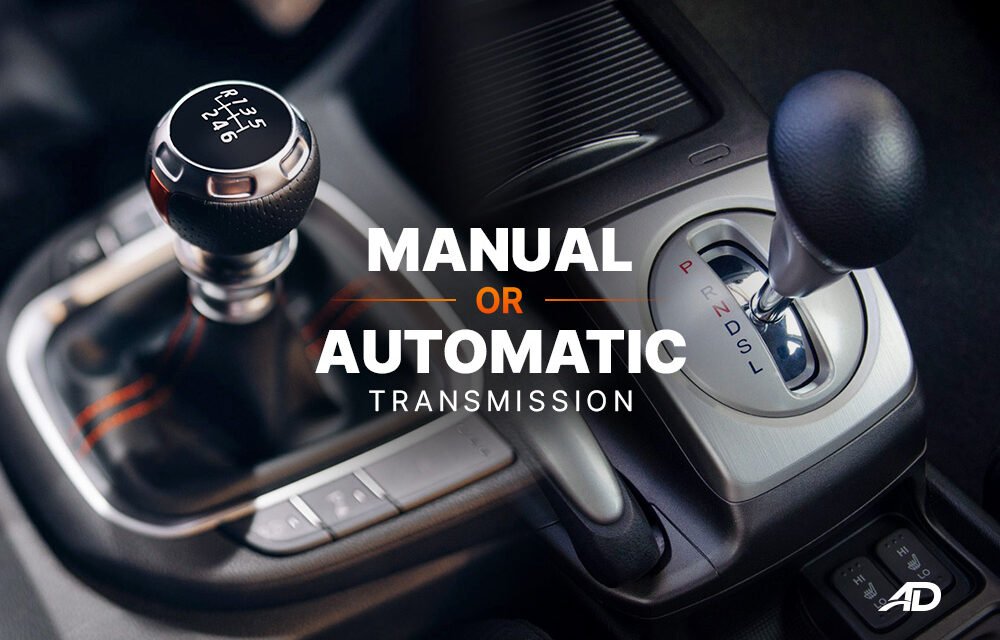
- How it Works: In a manual transmission, the driver is responsible for manually selecting the gears using a clutch pedal and a gear shifter. The clutch disengages the engine from the transmission when shifting gears, allowing the driver to select the appropriate gear based on speed and driving conditions. After shifting, the clutch is engaged to re-connect the engine to the transmission.
- Gear Shifting: The driver must actively change gears as the vehicle accelerates or decelerates, based on engine speed and vehicle load.
- Clutch Mechanism: The clutch allows the driver to disconnect the engine from the wheels, making it possible to change gears smoothly.
- Driver Involvement: The driver has more direct control over the power delivery, which can result in a more engaging and involved driving experience.
- Fuel Efficiency: Manual transmissions are often more fuel-efficient than automatics (especially older models) because the driver can select the optimal gear for the situation. However, this advantage has diminished with newer automatic technologies.
- Maintenance: Manual transmissions typically require less maintenance than automatics and are often less expensive to repair, but they demand more skill and attention from the driver.
- Advantages:
- Greater control over the vehicle.
- Generally more affordable and easier to repair.
- Often provides a more engaging driving experience.
- Disadvantages:
- Requires more effort from the driver.
- Not ideal in stop-and-go traffic or for those who prefer a more relaxed driving experience.
Automatic Transmission
- How it Works: In an automatic transmission, the vehicle automatically changes gears as needed without the driver’s input. It uses a system of sensors and hydraulic pressure to select the appropriate gear based on speed, engine load, and throttle position.
- Gear Shifting: The system adjusts the gear automatically by selecting the most appropriate gear based on driving conditions, removing the need for manual gear shifts.
- Torque Converter: Instead of a clutch, automatic transmissions use a torque converter to transfer power from the engine to the transmission. The torque converter helps smooth out power delivery and allows the vehicle to idle without stalling.
- Driver Involvement: The driver simply selects a driving mode (e.g., Drive (D), Reverse (R)), and the transmission takes care of gear shifts, making it more convenient, especially in heavy traffic or for drivers who prefer less manual control.
- Fuel Efficiency: Traditionally, automatic transmissions were less fuel-efficient than manual ones. However, modern continuously variable transmissions (CVTs) and dual-clutch transmissions (DCTs) have improved fuel efficiency significantly, often matching or exceeding that of manuals in some cases.
- Maintenance: Automatic transmissions are more complex and typically more expensive to repair or maintain than manual transmissions. However, the increasing reliability and sophistication of modern automatics have reduced the need for frequent repairs.
- Advantages:
- Easier and more convenient, especially in traffic.
- Suitable for drivers who prefer a simpler driving experience.
- Advanced automatics can optimize fuel efficiency and performance.
- Disadvantages:
- Can be more expensive to repair and maintain.
- Some drivers feel the driving experience is less engaging and connected to the car.
Conclusion
The transmission system is essential for a vehicle’s operation, ensuring that the engine’s power is delivered to the wheels efficiently and effectively. The key difference between manual and automatic transmissions lies in how the gears are selected and shifted, with manual transmissions offering more control and engagement, while automatic transmissions prioritize convenience and ease of use. As technology advances, modern automatic systems like CVTs and dual-clutch transmissions are offering better fuel efficiency and smoother performance, narrowing the gap between the two transmission types. The choice between manual and automatic ultimately depends on personal preferences, driving habits, and the specific needs of the driver.
Hashtags
#TransmissionSystem #CarTransmission #VehicleTransmission #PowertrainSystem #TransmissionMechanism #TransmissionRole #GearboxSystem #ManualTransmission #StickShift #ManualGearbox #ManualShifting #ManualCars #ClutchPedal #ShiftLever #DriverControlledTransmission #GearShifting #AutomaticTransmission #AutoGearbox #AutomaticShifting #NoClutchAutomatic #SeamlessShifting #SmoothTransmission #AutomaticCars #TorqueConverter #DualClutchTransmission #ContinuouslyVariableTransmission #ManualVsAutomatic #ManualVsAutomaticTransmission #TransmissionComparison