Heavy truck manufacturers implement several design strategies and technological advancements to improve fuel efficiency and comply with emission standards like Euro 6, Bharat Stage VI (BS6), and EPA regulations. Here’s how:
1. Advanced Engine Technologies
- Turbocharging & Intercooling: Increases power output while improving fuel efficiency.
- High-Pressure Common Rail (HPCR) Fuel Injection: Ensures precise fuel delivery, reducing waste and improving combustion.
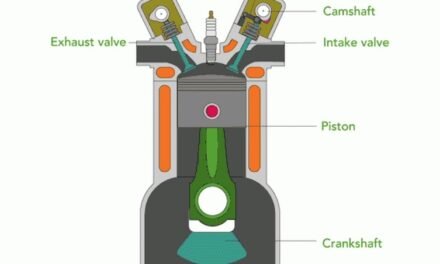
- Variable Valve Timing (VVT) & Cylinder Deactivation: Optimizes fuel usage by adjusting engine operation based on load conditions.
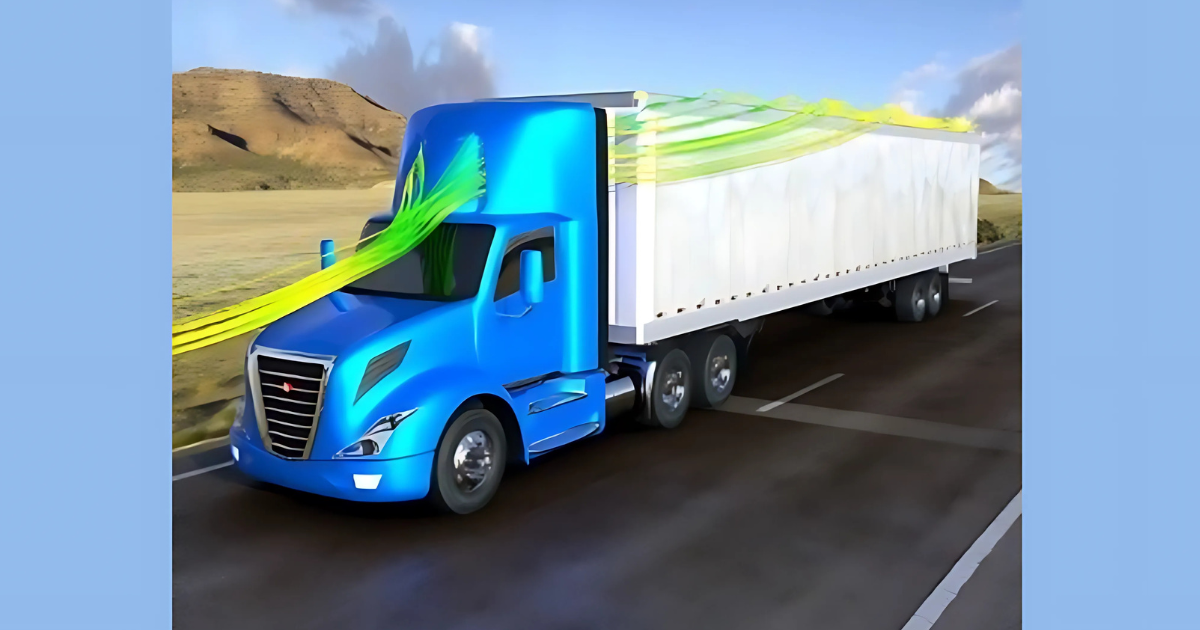
2. Aerodynamic Enhancements
- Streamlined Cab Designs: Sloped windshields, aerodynamic side mirrors, and rounded edges reduce air resistance.
- Side Skirts & Roof Fairings: Minimize turbulence around the trailer, improving airflow.
- Active Grille Shutters: Regulate airflow into the engine bay to reduce drag and enhance fuel economy.
3. Lightweight Materials
- Aluminum & Composite Materials: Used in chassis, cabs, and trailer components to reduce weight without compromising strength.
- Carbon Fiber Reinforced Components: Found in some high-end models to further reduce weight.
4. Alternative Powertrains & Hybrid Technologies
- Natural Gas Engines (CNG/LNG): Emit lower NOx and particulate matter compared to diesel.
- Electric & Hydrogen Fuel Cell Trucks: Emerging in the industry for zero-emission freight transport.
- Mild Hybrid & Regenerative Braking Systems: Recover energy during braking and assist with acceleration.
5. Transmission & Drivetrain Optimization
- Automated Manual Transmissions (AMT): Reduce fuel consumption by shifting at optimal RPMs.
- Predictive Cruise Control & GPS-Based Shifting: Adjusts gear changes based on terrain and traffic conditions.
- Low-Rolling Resistance Tires: Reduce friction, improving fuel economy.
6. Emission Control Technologies
- Selective Catalytic Reduction (SCR): Uses Diesel Exhaust Fluid (DEF) to convert NOx emissions into nitrogen and water.
- Diesel Particulate Filters (DPF): Captures and burns off soot to reduce particulate emissions.
- Exhaust Gas Recirculation (EGR): Recirculates exhaust gases to lower combustion temperatures and reduce NOx formation.
7. Smart Telematics & Fleet Management Systems
- Real-Time Fuel Monitoring: Helps fleet operators optimize fuel usage.
- Eco-Driving Assistance: AI-driven systems provide feedback on braking, acceleration, and idling to reduce fuel consumption.
- Route Optimization Software: Reduces fuel use by selecting the most efficient paths.
8. Idle Reduction Technologies
- Automatic Engine Shut-Off: Turns off the engine when idling for extended periods.
- Battery-Powered Auxiliary Power Units (APUs): Provide cabin power without running the main engine.
- Solar Panels on Truck Roofs: Used to power auxiliary systems like air conditioning and electronics.
9. Government Regulations & Compliance
- Euro 6 / BS6 Standards: Enforce strict emission limits, leading to cleaner combustion technologies.
- EPA GHG Emissions Regulations: Require manufacturers to improve fuel economy and reduce CO₂ emissions.
- California Air Resources Board (CARB) Standards: Set stringent requirements for trucks operating in the U.S.