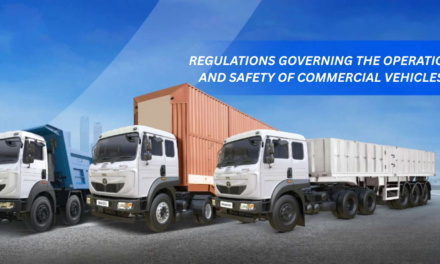
Heavy-duty trucks play a crucial role in global supply chains by enabling the movement of goods across vast distances, often filling the gap between production points and distribution centers. Here are some key ways in which they contribute:
- Transportation of Bulk Goods:
Heavy-duty trucks are essential for transporting large volumes of bulk goods, including raw materials, agricultural products, and industrial components. They can carry substantial loads, making them ideal for long-distance transportation of goods that are difficult or impractical to ship by air or rail. - Last-Mile Delivery:
Trucks are vital for the “last mile” of the supply chain, delivering goods directly to retail locations, warehouses, or consumers. This is especially important in regions where other modes of transport (like trains or ships) cannot reach, making trucks indispensable for completing deliveries. - Flexibility and Accessibility:
Heavy-duty trucks provide flexibility in the supply chain by being able to access various terrains, including remote areas or regions with limited infrastructure. Their ability to travel on highways and smaller roads enables supply chains to operate across diverse geographies, ensuring goods reach markets worldwide. - Just-in-Time (JIT) Logistics:
Trucks support just-in-time inventory systems by facilitating the timely delivery of components and finished goods. This approach helps minimize inventory costs and ensures that production lines in factories stay efficient without delays, which is vital for global manufacturers in industries like automotive, electronics, and consumer goods. - Intermodal Transportation:
Heavy-duty trucks are often part of intermodal transport, where goods are transferred between different transportation modes like ships, trains, and planes. Trucks serve as connectors, transporting goods between ports, rail yards, and warehouses, enhancing the efficiency and scope of global logistics networks. - Global Trade and Economic Growth:
Trucks support international trade by moving goods across borders. In regions with well-established cross-border transport infrastructure, such as the United States and Canada or the European Union, heavy-duty trucks are instrumental in facilitating trade agreements and promoting economic growth through the efficient movement of goods. - Supply Chain Resilience:
In times of disruption, such as natural disasters or port congestion, heavy-duty trucks provide a flexible alternative to ensure goods continue moving. Their ability to bypass traditional transport bottlenecks helps maintain the flow of essential goods, from food and medicine to electronics and machinery.
In summary, heavy-duty trucks are indispensable in the global supply chain due to their ability to transport large quantities of goods over long distances, provide flexible and timely deliveries, and support intermodal transportation. Their role in ensuring the smooth flow of goods across borders and markets makes them a backbone of modern global trade and logistics systems.