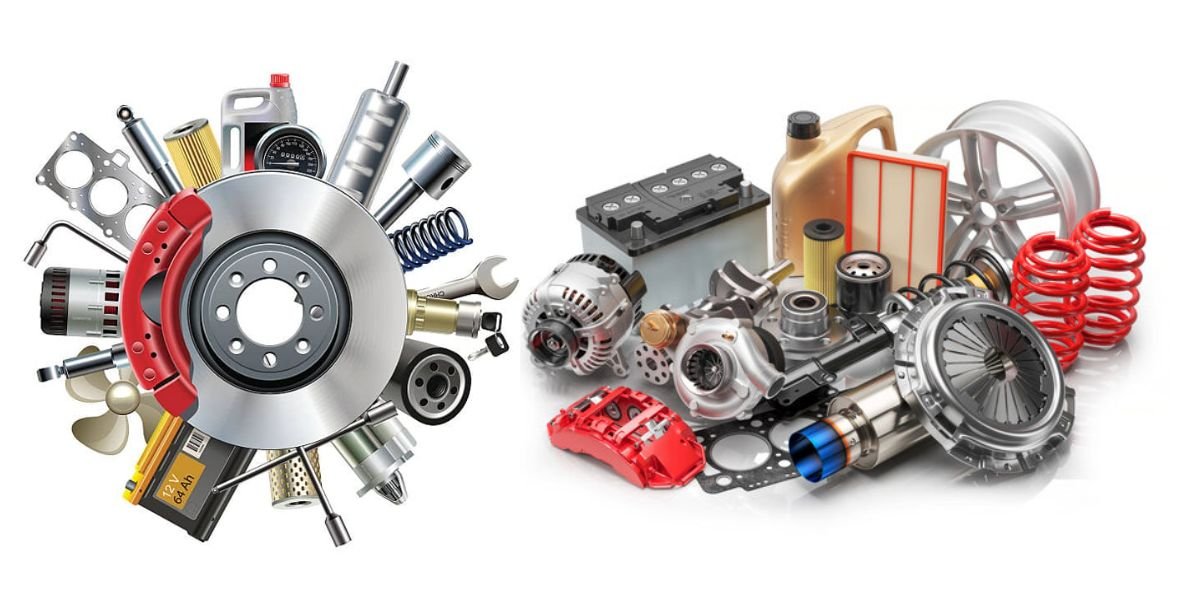
Auto component manufacturers employ several strategies to ensure the quality and durability of their products. These strategies involve advanced design, strict manufacturing processes, testing protocols, and continuous monitoring. Here are the key methods they use:
1. Adherence to Industry Standards and Certifications
- ISO Certification: Manufacturers often comply with ISO 9001 and other relevant quality management standards to ensure that their products meet international quality norms. Certifications such as ISO/TS 16949 (specific to the automotive industry) guarantee the use of best practices in production.
- Compliance with Regulatory Standards: Components must also adhere to local and international safety regulations, such as those set by the Environmental Protection Agency (EPA) or European Union (EU) emissions standards.
2. Robust Design and Engineering
- Engineering Simulation: Before physical production, manufacturers use computer-aided design (CAD) and computer-aided engineering (CAE) simulations to optimize the performance of components. These tools help predict how components will perform under various stress conditions and environmental factors.
- Material Selection: The use of high-quality materials plays a crucial role in durability. Manufacturers select alloys, polymers, and composite materials based on their strength, resistance to wear, corrosion, and temperature variations. For example, carbon steel or high-grade aluminum may be used for components like engine parts, while rubber compounds might be used for seals and gaskets.
3. Rigorous Testing and Validation
- Durability Testing: Components undergo stress tests, including fatigue tests, vibration tests, and thermal cycling to ensure they can withstand the harsh conditions of real-world driving. For instance, brake pads are tested for performance under high heat and heavy use, while engine parts undergo extreme temperature and pressure tests.
- Corrosion Resistance Testing: Components like body panels, exhaust systems, and underbody parts are exposed to salt spray and humidity tests to ensure they resist corrosion, especially in regions prone to snow, rain, or saltwater exposure.
- Crash and Impact Testing: Safety-critical components (like airbags, bumpers, and seatbelts) are subjected to crash simulations and impact tests to ensure they meet safety standards.
4. Precision Manufacturing and Automation
- Automated Production Lines: To ensure consistency and minimize defects, manufacturers often use automated machinery and robotic systems for precision manufacturing. This helps achieve tighter tolerances, ensuring that components fit together perfectly and function as intended.
- Advanced Machining: CNC (Computer Numerical Control) machines, die casting, and forging techniques are used for precision parts, reducing variations in product dimensions and improving durability.
- Lean Manufacturing: Adopting lean manufacturing principles reduces waste and ensures that production processes are efficient, minimizing defects and improving the overall quality of components.
5. Quality Control and Inspection
- In-Process Inspections: During the manufacturing process, quality control engineers conduct regular inspections to identify defects before they become larger issues. Components are often inspected using laser measurement systems, 3D scanning, or vision inspection systems.
- End-of-Line Testing: Once components are produced, they undergo final quality checks before being shipped. This can include visual inspection, functional testing, and measurement of key parameters such as hardness, thickness, or weight.
- Sampling and Statistical Process Control (SPC): Manufacturers often use statistical methods to monitor and control production quality. By regularly testing a sample of parts from each production batch, they can identify trends or deviations and make adjustments before defects spread.
6. Continuous Improvement and Feedback Loops
- Root Cause Analysis: If defects are discovered in the field, manufacturers conduct a root cause analysis to understand why the issue occurred. This feedback is used to refine design or manufacturing processes.
- Supplier Quality Management: For components sourced from external suppliers, manufacturers conduct audits and inspections to ensure that suppliers meet quality standards. Many manufacturers have long-term relationships with suppliers that adhere to rigorous quality expectations.
- Continuous Improvement (Kaizen): Many manufacturers embrace a culture of continuous improvement through Kaizen or Six Sigma methodologies. These approaches focus on constantly improving processes and reducing defects.
7. Traceability and Documentation
- Component Tracking: Manufacturers often implement a traceability system to track every component through the production process, allowing them to trace any defects back to the source. This is critical in automotive manufacturing, where component failure can have serious safety implications.
- Data-Driven Quality Monitoring: Modern systems track key performance indicators (KPIs) related to production and quality. By using big data and predictive analytics, manufacturers can identify potential issues early and take corrective actions.
8. Product Lifecycle Management (PLM)
- Continuous Monitoring: Manufacturers implement PLM systems that allow them to monitor the entire lifecycle of a product, from design and production to its performance in the vehicle. This information is invaluable for improving future designs and ensuring durability.
- Post-Sale Monitoring: After the components are in use, feedback from consumers, service departments, and field reports help identify issues with durability or quality, allowing for improvements in future models or production batches.
9. Collaboration with OEMs and Industry Partners
- OEM (Original Equipment Manufacturer) Collaboration: Auto component manufacturers work closely with vehicle manufacturers (OEMs) to ensure that components are designed to integrate seamlessly with the overall vehicle system. This collaborative approach ensures that each part contributes to the vehicle’s overall performance and longevity.
- Supplier Partnerships: Many suppliers of automotive components maintain long-term partnerships with manufacturers to ensure consistent quality. Collaborative development and testing ensure components meet or exceed quality and durability expectations.
Through these various strategies, auto component manufacturers can ensure that their products meet the rigorous standards required in the automotive industry, ensuring both quality and durability. This is essential for maintaining vehicle performance, safety, and customer satisfaction over the long term.