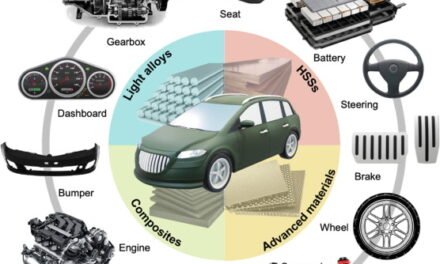
The powertrain system of a vehicle is responsible for generating power and transmitting it to the wheels. It consists of several key components that work together to ensure that the vehicle moves efficiently and effectively. The primary components of a vehicle’s powertrain system include:
1. Engine
- Function: The engine is the heart of the powertrain system, responsible for generating power. It typically operates on either gasoline, diesel, or an alternative fuel (e.g., electricity, hydrogen).
- Types: Common types include internal combustion engines (ICE), electric motors in electric vehicles (EVs), and hybrid engines in hybrid vehicles (which combine both ICE and electric power).
2. Transmission
- Function: The transmission is responsible for converting the engine’s power into rotational force (torque) and adjusting the power output to the wheels based on speed and load. It allows the vehicle to operate efficiently at different speeds.
- Types:
- Manual Transmission: The driver manually shifts gears.
- Automatic Transmission: Gears shift automatically based on speed and load.
- Continuously Variable Transmission (CVT): A type of automatic transmission that provides a smooth, continuous range of gear ratios without fixed gears.
- Dual-Clutch Transmission (DCT): Uses two separate clutches for faster gear shifts and better fuel efficiency.
3. Drivetrain
- Function: The drivetrain is responsible for transmitting the power from the engine (or electric motor) to the wheels.
- Types of Drivetrains:
- Front-Wheel Drive (FWD): Power is sent to the front wheels.
- Rear-Wheel Drive (RWD): Power is sent to the rear wheels.
- All-Wheel Drive (AWD): Power is distributed to all four wheels automatically, often for better traction.
- Four-Wheel Drive (4WD or 4×4): Power is directed to all four wheels, often with the ability for the driver to manually engage or disengage 4WD.
4. Differential
- Function: The differential is a gear mechanism that allows the wheels to rotate at different speeds, especially when turning. This helps distribute torque evenly between the wheels while maintaining traction and preventing tire wear.
- Location: Depending on the drivetrain layout, the differential can be located in the front (for FWD vehicles), rear (for RWD vehicles), or center (for AWD/4WD vehicles).
5. Axles
- Function: Axles connect the differential to the wheels and help transmit power to the wheels. They also support the weight of the vehicle and bear the load during motion.
- Types:
- Front Axle: In vehicles with front-wheel drive, the front axle connects the differential to the front wheels.
- Rear Axle: In rear-wheel drive vehicles, the rear axle connects the differential to the rear wheels.
- Independent Axles: In modern vehicles, particularly for luxury or performance models, independent suspension axles allow each wheel to move independently, improving handling and ride quality.
6. Driveshaft
- Function: The driveshaft is a long, rotating shaft that transmits power from the transmission to the differential, and ultimately to the wheels. It is commonly found in rear-wheel drive and all-wheel drive vehicles.
- Types:
- Single Driveshaft: Typically found in rear-wheel drive vehicles.
- Double Driveshaft: Found in four-wheel drive vehicles, providing power to both the front and rear axles.
7. Clutch (for Manual Transmissions)
- Function: The clutch is used to disconnect the engine from the transmission to allow the driver to change gears. It allows for smooth engagement and disengagement of power between the engine and the wheels.
- Location: Found in vehicles with manual transmissions, located between the engine and transmission.
8. Electric Motor (in Electric and Hybrid Vehicles)
- Function: In electric and hybrid vehicles, the electric motor is a key component of the powertrain, providing power directly to the wheels. It replaces or works in conjunction with the internal combustion engine.
- In Hybrid Vehicles: The electric motor works alongside the internal combustion engine to provide additional power, reduce fuel consumption, and improve overall efficiency.
9. Battery (for Electric and Hybrid Vehicles)
- Function: The battery stores energy for the electric motor, supplying the necessary power for electric propulsion. In hybrid vehicles, the battery is also charged by the internal combustion engine.
- Type: Commonly uses lithium-ion batteries, which offer high energy density and long lifespan.
10. Exhaust System (for Combustion Engine Vehicles)
- Function: In vehicles powered by internal combustion engines, the exhaust system directs harmful gases away from the engine, reduces emissions, and helps control noise. The system includes components such as the catalytic converter, muffler, and exhaust pipes.
11. Regenerative Braking System (in Hybrid and Electric Vehicles)
- Function: The regenerative braking system recovers energy during braking and converts it into electrical power to recharge the vehicle’s battery. This is common in electric and hybrid vehicles to improve efficiency and extend driving range.
These components work together to ensure that the vehicle runs efficiently and smoothly. The engine generates power, the transmission adjusts the power output, and the drivetrain, differential, axles, and driveshafts work to transmit that power to the wheels. In modern vehicles, electric motors and batteries further enhance efficiency, while systems like regenerative braking in hybrids and electric vehicles help improve overall energy use.