The automotive manufacturing process involves a wide array of components that are categorized based on their functions and systems in the vehicle. These components are critical to a vehicle’s performance, safety, comfort, and efficiency. Here are the key categories of auto components used in vehicle manufacturing:
1. Powertrain Components
Powertrain components are responsible for generating power and transferring it to the wheels. These components ensure that the vehicle moves efficiently and effectively.
- Engine: The heart of the vehicle, typically an internal combustion engine (ICE), electric motor, or hybrid system.
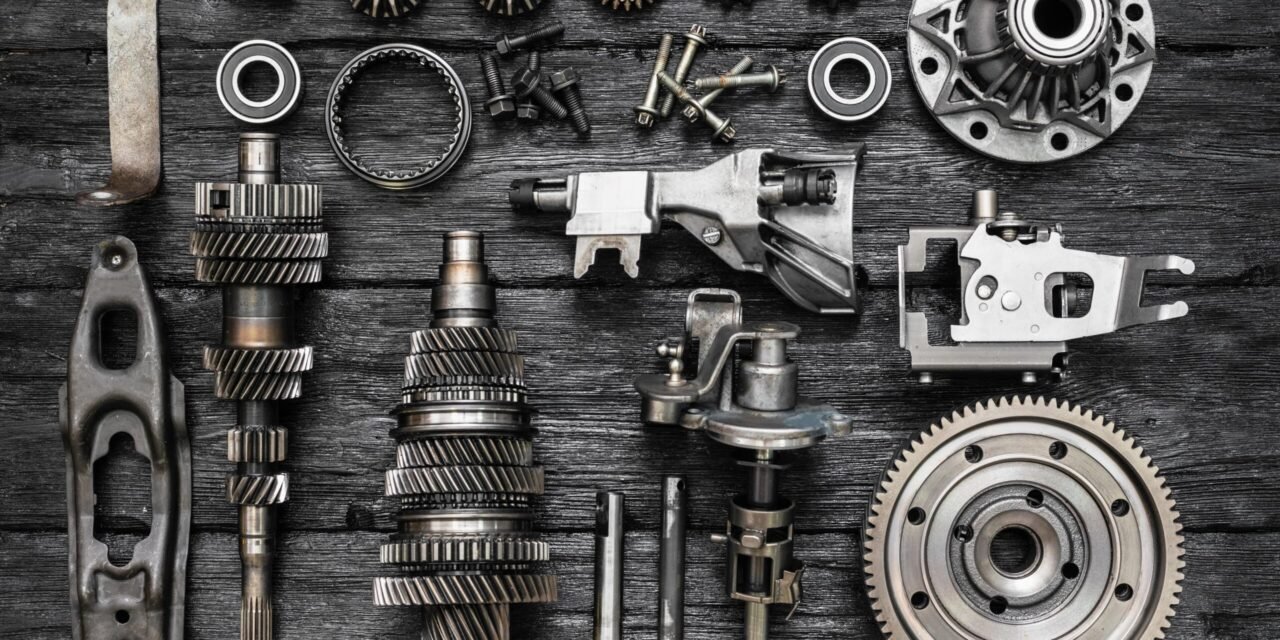
- Transmission: Transmits power from the engine to the wheels, with manual, automatic, or continuously variable transmission (CVT) types.
- Drivetrain: Includes the components that transfer power from the engine to the wheels, such as driveshafts, axles, and differential.
- Exhaust System: Includes the exhaust manifold, catalytic converter, muffler, and exhaust pipes, which are responsible for managing emissions and reducing noise.
2. Suspension System
The suspension system ensures a smooth and controlled ride, absorbing shock and maintaining tire contact with the road.
- Springs: Coil springs, leaf springs, or air springs that support the vehicle’s weight and absorb shock.
- Shock Absorbers (Dampers): Control the rebound and compression of the suspension, ensuring smooth handling.
- Struts and Shocks: Combine the spring and damper into a single unit in some suspension designs.
- Control Arms: Connect the vehicle’s wheels to the frame and allow for movement.
- Ball Joints: Allow the suspension system to move smoothly while maintaining steering control.
3. Steering System
The steering system allows the driver to control the direction of the vehicle.
- Steering Wheel: The primary interface through which the driver controls the steering.
- Rack-and-Pinion: A common steering mechanism used to convert the rotational motion of the steering wheel into the linear motion needed to turn the wheels.
- Power Steering Pump: Assists with steering effort, particularly in modern vehicles, making steering smoother and easier.
- Steering Column: The shaft that connects the steering wheel to the rack-and-pinion or steering gearbox.
4. Brake System
The brake system is crucial for stopping and slowing down the vehicle safely and effectively.
- Disc Brakes: A type of brake in which friction from brake pads slows the wheel’s rotation. Found on most modern vehicles.
- Drum Brakes: Older technology still found on the rear wheels of some vehicles.
- Brake Pads and Rotors: The friction materials that engage with the brake rotor to stop the vehicle.
- Brake Calipers: Components that hold the brake pads and apply pressure to the brake discs or rotors.
- Brake Lines: Tubes that carry brake fluid to the calipers or wheel cylinders.
- Anti-lock Braking System (ABS): A system designed to prevent wheel lock-up during braking, enhancing safety and control.
5. Electrical and Electronic Components
Modern vehicles are packed with electrical and electronic systems that control everything from lighting to advanced driver-assistance systems (ADAS).
- Battery: Provides electrical power to start the vehicle and operate electronic components when the engine is off.
- Alternator: Charges the battery and powers electrical systems when the engine is running.
- Wiring Harness: A system of wires that connect various electrical components throughout the vehicle.
- Sensors: Devices that detect conditions such as tire pressure, engine temperature, and vehicle speed.
- Infotainment System: Includes the audio, navigation, connectivity, and entertainment systems.
- Headlights, Tail Lights, and Turn Signals: Lighting components critical for visibility and signaling.
6. Body and Frame Components
The body and frame provide the structural integrity of the vehicle and house its various systems and passengers.
- Chassis: The vehicle’s frame, which supports the body and components, including the suspension and powertrain.
- Body Panels: External components like the roof, doors, fenders, bumpers, and side panels that form the vehicle’s exterior.
- Bumper System: Designed to absorb impact in the event of a collision and protect the vehicle’s structure.
- Windshield, Windows, and Mirrors: Provide visibility for the driver and passengers, along with safety features like airbags.
- Roof and Underbody Components: Help to protect the vehicle from external forces like weather, and contribute to the vehicle’s aerodynamics.
7. Interior Components
Interior components ensure driver and passenger comfort and safety.
- Seats: Typically made of foam, fabric, leather, and other materials, seats are designed for comfort and support.
- Dashboard: Houses instruments like the speedometer, tachometer, and infotainment controls.
- Air Conditioning and Heating System: Regulates the vehicle’s cabin temperature.
- Seatbelts and Airbags: Essential safety components designed to protect passengers during an accident.
- Carpet and Upholstery: Soft materials covering the floor and seats, enhancing comfort and aesthetic appeal.
8. Fuel System
The fuel system stores, filters, and delivers fuel to the engine for combustion.
- Fuel Tank: Stores fuel until it is needed by the engine.
- Fuel Pump: Delivers fuel from the tank to the engine at the required pressure.
- Fuel Injectors: Spray a fine mist of fuel into the engine’s combustion chamber for efficient burning.
- Fuel Filter: Removes impurities from the fuel before it enters the engine.
9. Climate Control System
The climate control system manages the internal environment of the vehicle for comfort.
- Air Conditioning Compressor: Pressurizes the refrigerant in the air conditioning system, providing cold air for cooling.
- Heating Element: Uses engine coolant to warm the cabin during cold weather.
- Air Vents: Direct air from the air conditioning or heating systems to different parts of the cabin.
- Cabin Filters: Filter out dust, pollen, and other contaminants from the air entering the cabin.
10. Safety and Driver Assistance Systems
These systems help improve vehicle safety and support the driver in avoiding accidents.
- Cameras and Radar Sensors: Provide input for systems like lane-keeping assist, parking assistance, and collision detection.
- Lane Departure Warning (LDW): Alerts the driver if the vehicle unintentionally drifts out of its lane.
- Adaptive Cruise Control (ACC): Maintains a set speed while also adjusting the vehicle’s speed to maintain a safe distance from other cars.
- Traction Control System (TCS): Prevents wheel spin by adjusting engine power or applying brakes to specific wheels.
- Electronic Stability Control (ESC): Helps prevent skidding by applying brakes to individual wheels to restore stability.
11. Tires and Wheels
Tires and wheels are essential for vehicle mobility, safety, and handling.
- Tires: Provide traction, support weight, and absorb shocks. Different types of tires are designed for specific conditions (e.g., all-season, winter, performance tires).
- Rims/Wheels: The metal framework that holds the tire. Rims come in various sizes and styles depending on the vehicle.
12. Alternative Powertrain Components
With the rise of electric vehicles (EVs) and hybrid vehicles, these components are becoming more important.
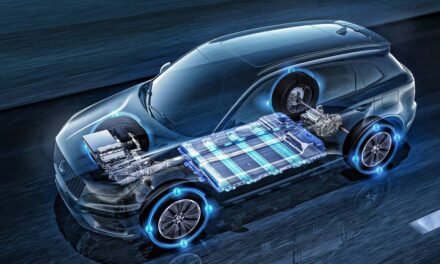
- Electric Motors: Power the wheels in electric and hybrid vehicles.
- Battery Pack: Provides energy to the electric motor in EVs and hybrid vehicles.
- Charging System: Includes onboard chargers and connectors that allow for charging the vehicle’s battery from an external source.
- Regenerative Braking System: Captures kinetic energy during braking and converts it into electrical energy, which is stored in the battery.
Conclusion
The automotive industry uses a vast array of components, each of which plays a critical role in ensuring the vehicle performs efficiently, safely, and comfortably. From powertrain components that deliver power and motion, to interior elements that ensure comfort, and advanced safety systems that protect passengers, these components work in tandem to create the modern vehicle. As technology evolves, new components like electric motors, batteries, and advanced driver-assistance systems are becoming increasingly important, shaping the future of automotive manufacturing.
Hashtags
#EngineComponents #PowertrainParts #EngineBlock #TransmissionParts #Turbocharger #FuelSystemComponents #ExhaustSystemParts #ElectricPowertrain #ChassisComponents #SuspensionSystem #SuspensionParts #SteeringSystem #ShockAbsorbers #SuspensionSprings #AxleParts #ChassisFrame #BrakingSystem #BrakeComponents #BrakePads #BrakeRotors #ABSBraking #DiscBrakes #DrumBrakes #BrakeCalipers #VehicleElectronics #CarElectricalSystem #VehicleWiring #BatteryPack #CarLights #LEDHeadlights #SensorsInCars #VehicleECU #Alternator #VehicleInteriorParts #CarSeats #InfotainmentSystem #DashboardComponents #CarDoorParts #AirConditioningSystem #CarUpholstery #Seatbelts #CarExteriorParts